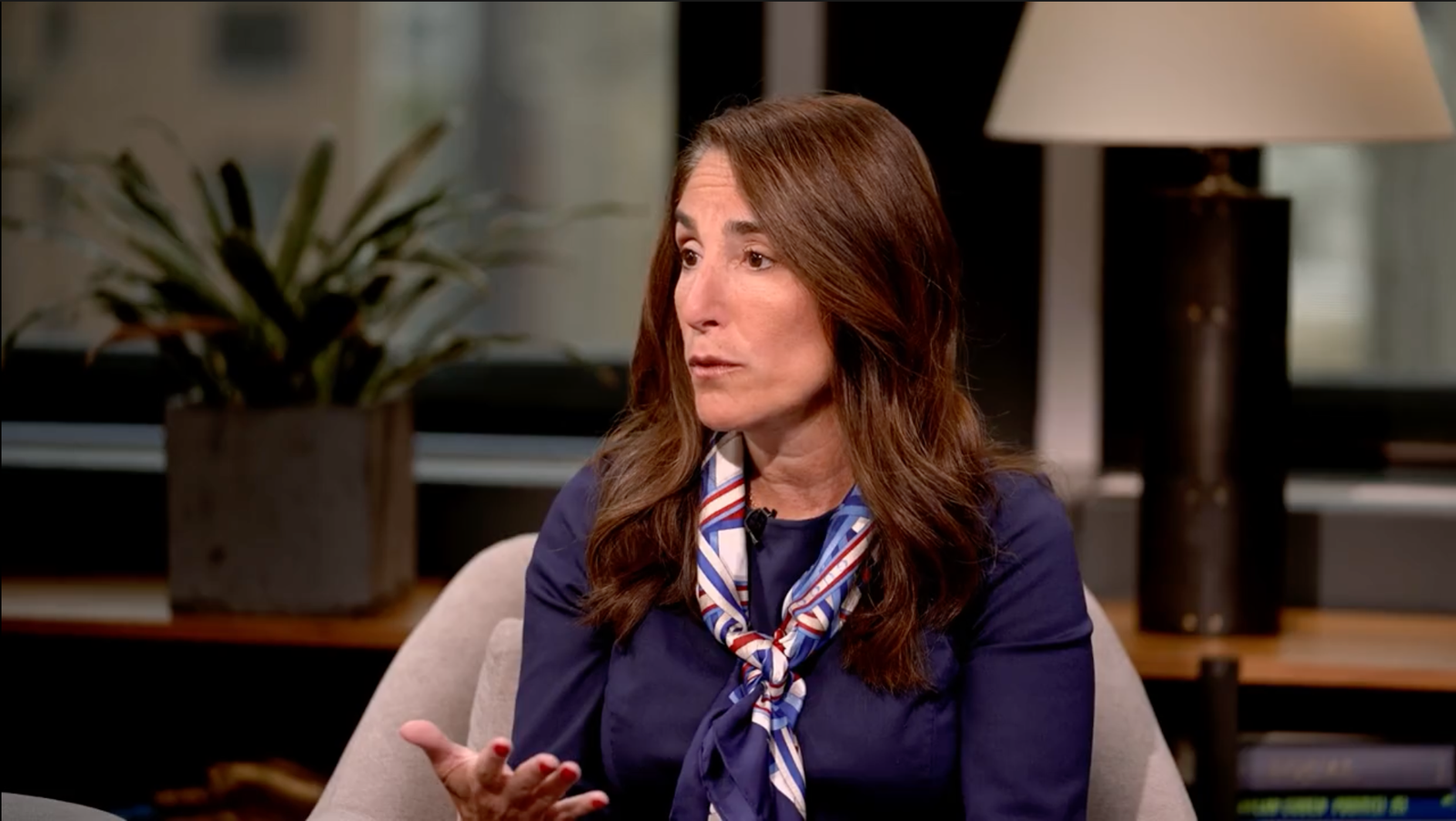
Cleveland Federal Reserve President Beth Hammack stated on Monday that multiple interest rate hikes will be necessary to combat what she describes as persistent, broadening inflation.
Why Single Rate Moves Aren’t Enough
“I would say in general, one 25 basis point move probably doesn’t do a whole lot for the economy,” Hammack said in an interview with Yahoo Finance. “So it’s probably some number of [movements]. But I don’t want to prejudge what that number is going to be.” She added, “I don’t know exactly where we will end.”
Hammack notably dissented during the Fed’s July policy meeting when the Federal Open Market Committee opted to hold rates steady, as she advocated for a quarter-percentage-point increase. She maintains that the current interest rate range of 3.5% to 3.75% is not “meaningfully restricting” the economy.
Business Sentiment and Economic Restraint
“When I’m talking to businesses, I’m not hearing that they’re sensing any restraint from investments in growth based on where interest rates are,” Hammack explained. “So to me that says that now is the time to act.”
She warned that delaying policy adjustments increases the risk of inflation becoming entrenched, making it harder to return to the Fed’s 2% target. Hammack compared the strategy to braking before a stop sign, suggesting the Fed should gently ease into policy restraint rather than slamming on the brakes later.
Inflation Data and the Labor Market
The Fed’s preferred inflation gauge, the Personal Consumption Expenditures (PCE) index, sat at 3.3% core in June. While the Consumer Price Index (CPI) was 2.6% for the same period, economists anticipate a slight decline in the upcoming Wednesday report. If core CPI meets expectations, it would signal two consecutive months of cooling inflation.
“Nothing would make me feel better than to be wrong, that we need to change the stance of policy to help bring inflation back to target,” Hammack said. “But from where I sit, I just don’t see it coming back on its own.”
Regarding the labor market, Hammack remains unfazed by the recent July jobs report, which showed a loss of 23,000 jobs. She highlighted that payrolls have grown by an average of 20,000 to 25,000 over the past year and views the 4.1% unemployment rate as consistent with full employment. “I’m still not seeing a problem with the job market,” she noted.
Fed Credibility and Market Expectations
Addressing concerns regarding market confusion over Fed strategy—specifically following Chairman Kevin Warsh’s comments on bond yields—Hammack emphasized that markets are a “complement” to the Fed, not a substitute. “We have to stand behind our words with our actions when appropriate,” she asserted.
Hammack believes the Fed’s credibility is forged through transparency and a clear explanation of its “reaction function.” By being explicit about how incoming data impacts decision-making, the Fed helps businesses and individuals plan more effectively. Ultimately, she reiterated that the central bank’s primary objective remains the firm commitment to a 2% inflation target, regardless of external market uncertainty.