Gartner Inc. (IT) is aggressively repurchasing shares—retiring over 41% of its stock since 2015—to bolster earnings per share (EPS) as it faces mounting pressure from AI-driven market shifts and tightening corporate budgets.
The AI Challenge to the Advisory Model
To remain invested in Gartner, shareholders must maintain confidence that its subscription-based research and advisory model remains indispensable in an era of low-cost, AI-powered analytical tools. While the company’s recent performance and modest 2026 revenue guidance offer a baseline for expectations, the primary catalysts remain unchanged: the stabilization of contract value growth versus the persistent risk of client churn and pricing pressure as companies continue to scrutinize external spending.
Capital Returns vs. Revenue Growth
The core of the current investment debate lies in Gartner’s capital allocation strategy. In the most recent quarter alone, the company repurchased 3,600,000 shares. This heavy reliance on capital returns creates a stark contrast against its modest FX-neutral revenue growth guidance. While buybacks effectively support EPS during periods of muted top-line expansion, they simultaneously heighten the scrutiny on the underlying resilience of Gartner’s client demand and its long-term pricing power.
Long-Term Forecasts and Valuation Risks
Gartner’s internal narrative projects a trajectory toward $7.1 billion in revenue and $985.7 million in earnings by 2029. Achieving these figures requires a 3.0% annual revenue growth rate and an earnings increase of approximately $245.1 million from current levels of $740.6 million.
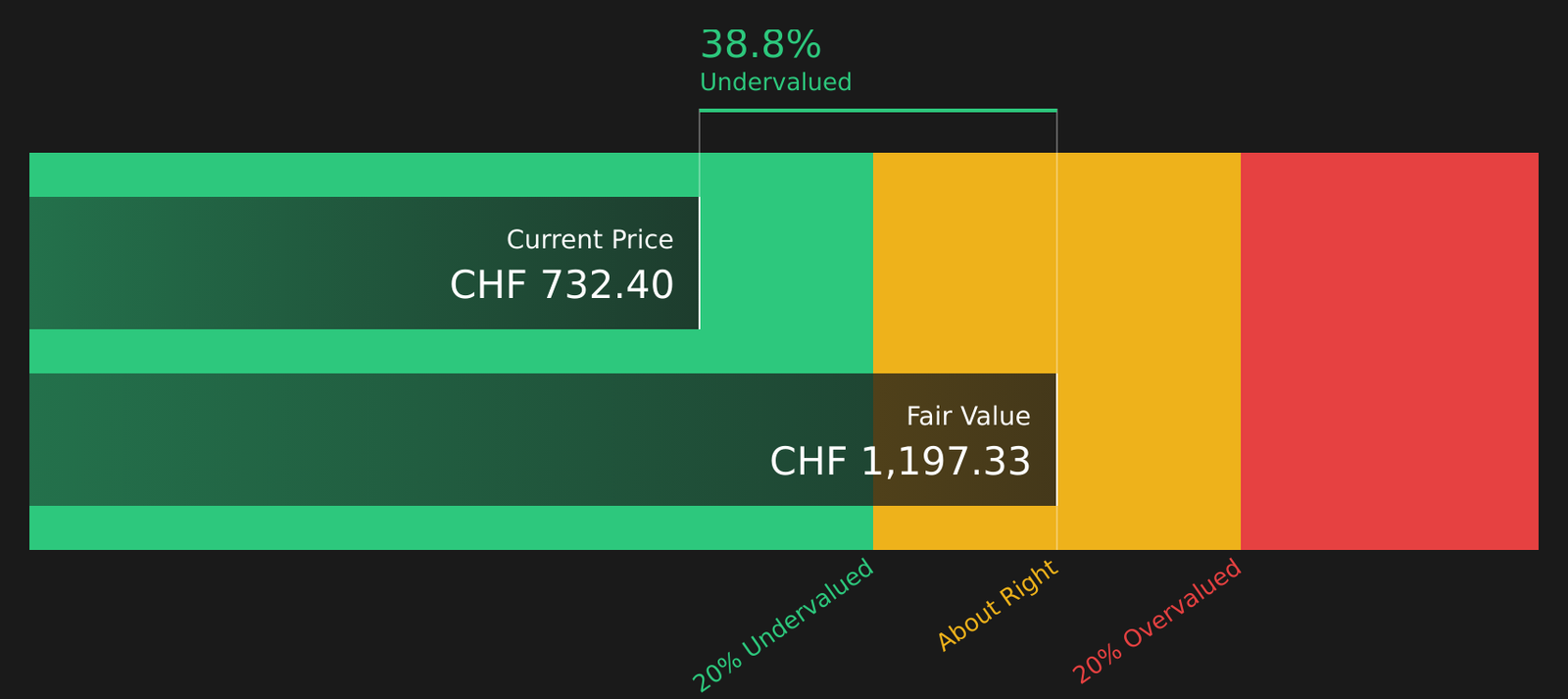
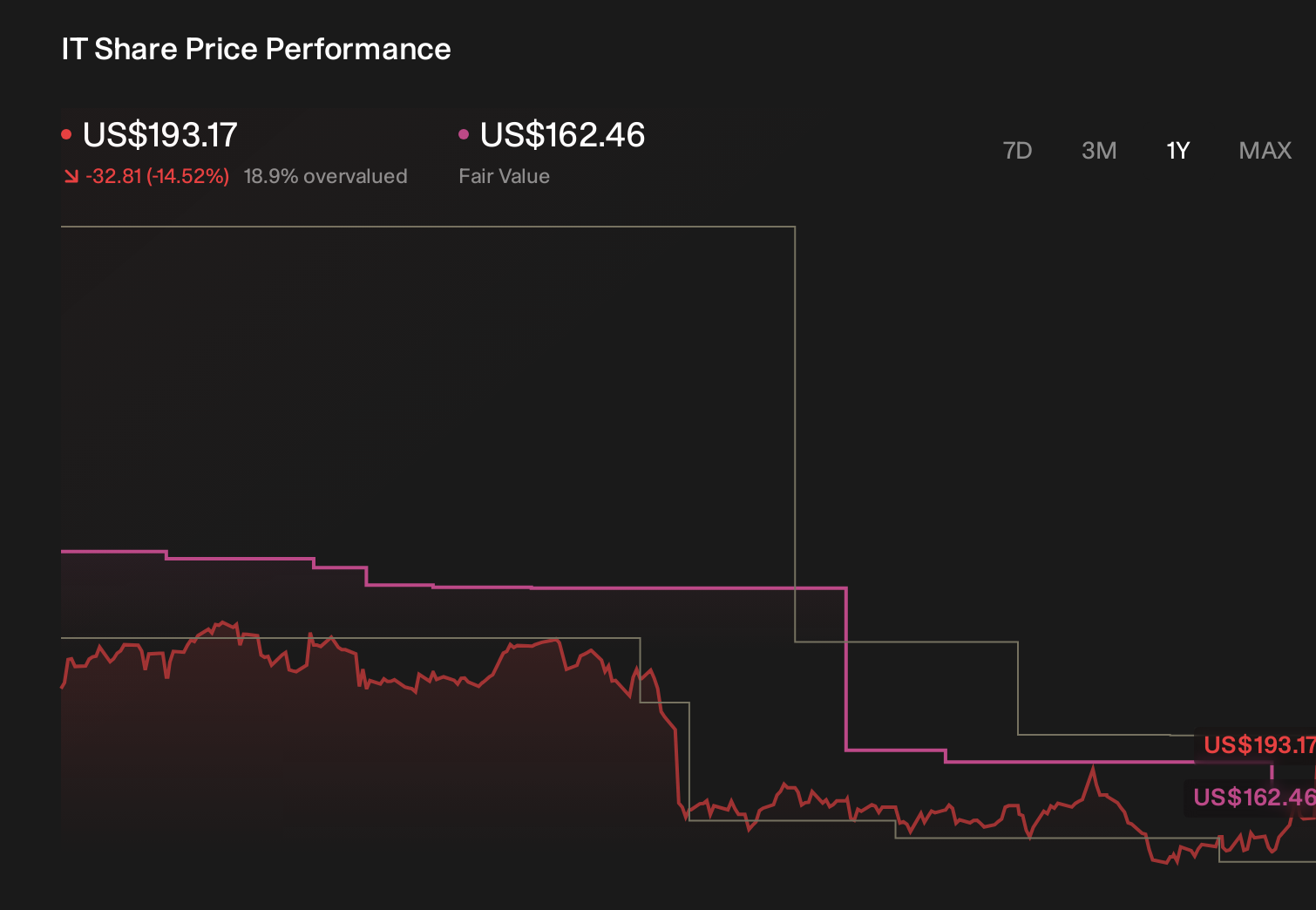
However, market analysts remain divided. Some of the more conservative estimates project revenue of only $6.8 billion and earnings of $912 million by 2029. These pessimistic outlooks gain weight when considering the potential for free, generative AI tools to erode Gartner’s proprietary data edge. Current projections suggest a fair value of $162.46, representing a potential 16% downside from the current market price, forcing investors to weigh the impact of buybacks against the threat of structural market disruption.