Ducommun (DCO) reported robust second-quarter 2026 earnings, characterized by increased sales, improved profit margins, and a surging backlog driven by missile-related defense contracts.
Market Momentum and Recent Performance
The company’s recent financial results have fueled significant investor interest, reflected in a 90-day share price gain of 43.61% and a 120.53% total shareholder return over the past year. This performance has forced investors to re-evaluate the balance between Ducommun’s long-term growth potential and current market risks.
Valuation Discrepancies: Overvalued or Undervalued?
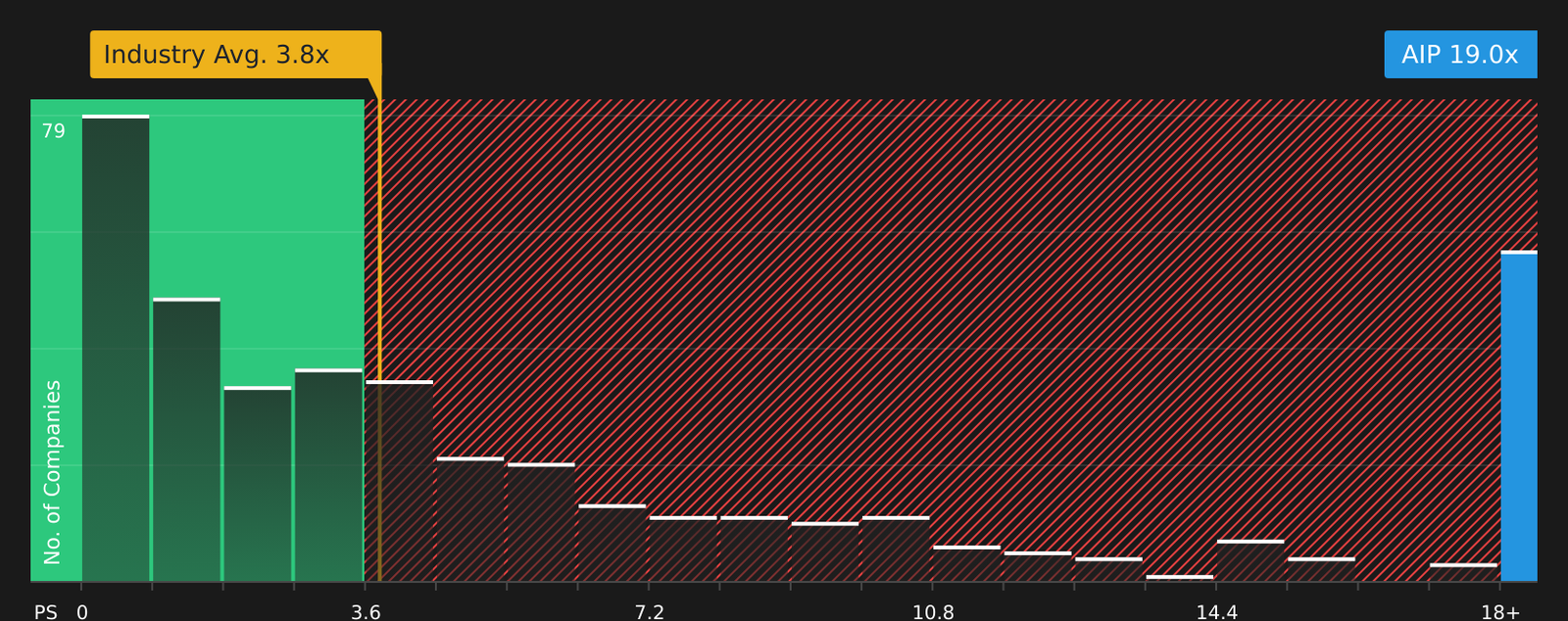
Following the stock’s sharp ascent, a critical question remains: is it time to buy, or should investors wait for a price correction? Current analyst consensus places the fair value of Ducommun at $190.80. With the stock recently closing at $197.07, the market price suggests that much of the expected upside may already be priced in.
The Drivers Behind the Margin Story
The positive outlook for Ducommun rests on a narrative of high-quality earnings, disciplined cost management, and an increasingly sophisticated mix of engineered products. Valuation models currently incorporate an 8.19% discount rate, projecting steady revenue growth and profit margins that remain competitive within the broader US aerospace and defense sector.
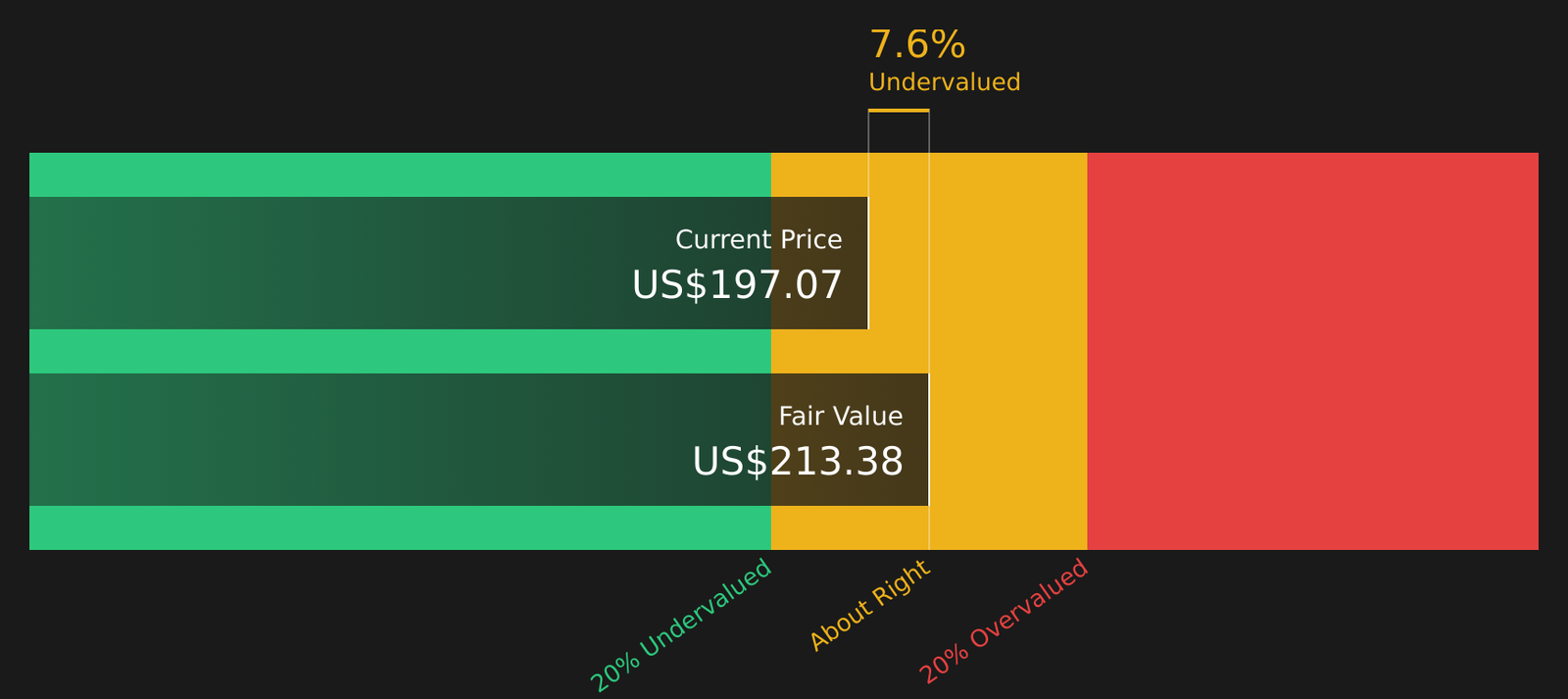
Currently, analysts view Ducommun as approximately 3.3% overvalued based on standard price targets. However, competing models offer a different perspective. The Simply Wall St Discounted Cash Flow (DCF) model estimates a future cash flow value of $213.37, which would categorize the stock as undervalued at its current price point of $197.07. Investors must now weigh these conflicting assumptions to determine their position.
Risks and Future Outlook
Despite the optimistic earnings, the Ducommun narrative remains sensitive to external pressures. Potential headwinds include a prolonged destocking phase in the commercial aerospace sector and shifts in defense spending that could impact critical missile and radar programs.
Given the mixed signals regarding valuation and the underlying risks, investors are encouraged to scrutinize the fundamental data before making further commitments. Comparing the two key rewards against the identified warning signs remains a prudent step for those navigating the current aerospace market landscape.