
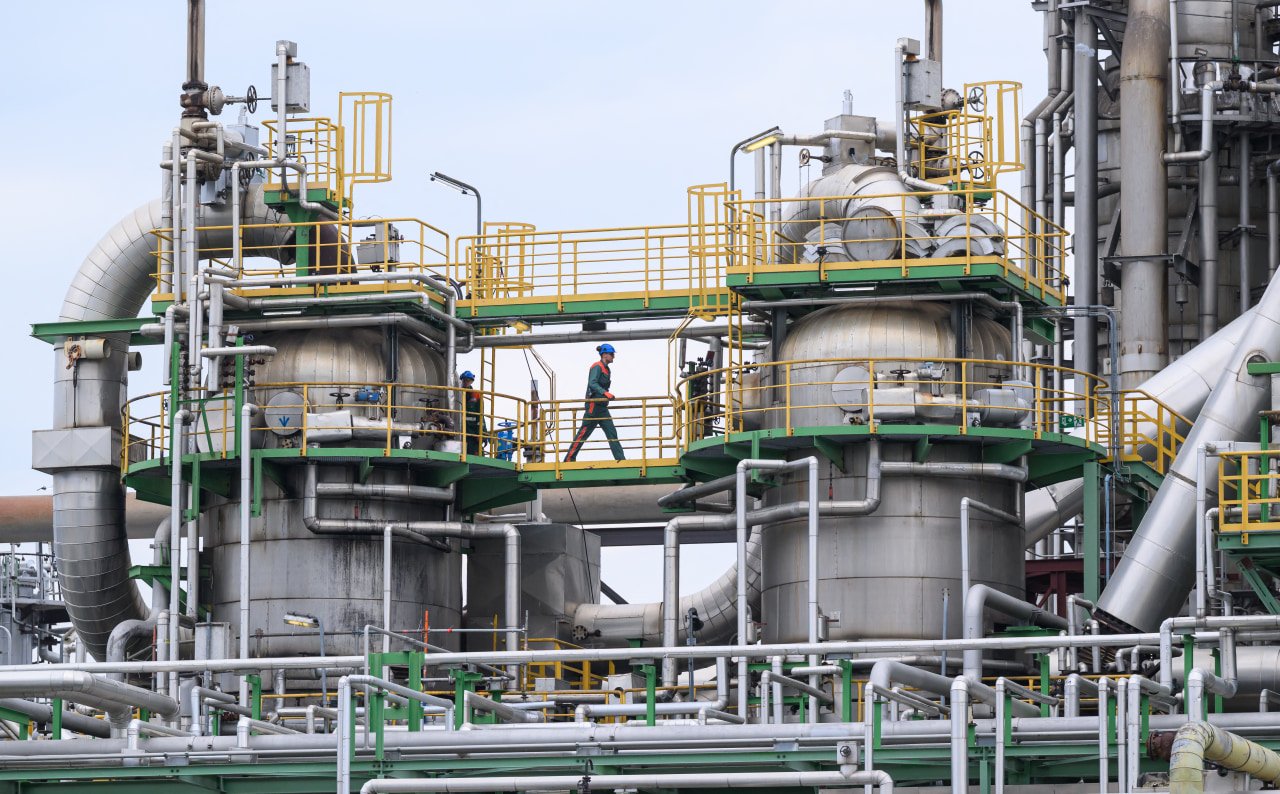
Geopolitical instability and supply chain bottlenecks are currently throttling global refinery capacity, causing a massive surge in fuel prices as the world struggles to convert crude oil into essential products. While crude headlines dominate the news, the true bottleneck lies downstream, where a convergence of war, infrastructure attacks, and export restrictions has stripped millions of barrels of refined fuel from the global market.
The Surge in Refining Margins
The widening gap between the cost of crude oil and the market value of finished fuels—known as refining margins—has reached historic highs. Sumit Ritolia, lead analyst for refining supply and modeling at Kpler, notes that every additional barrel of refined product has become significantly more valuable than a barrel of crude, a trend showing no signs of cooling as repairs to Gulf facilities remain months away.
For the average consumer, this translates to painful figures at the pump. U.S. gasoline prices have climbed past $4 per gallon, a sharp increase from $3.16 a year ago. Industry benchmarks, such as the U.S. 3-2-1 crack spread, have skyrocketed above $70, far exceeding the typical historical range in the teens.
Global Trade Reshuffle
Despite the near-closure of the Strait of Hormuz and ongoing conflict, refiners have maintained operations by tapping into strategic reserves and drastically rerouting trade flows. Asian markets have pivoted toward Atlantic Basin supplies, while Middle Eastern shipments are now arriving via longer, costlier routes, including ship-to-ship transfers and detours around southern Africa.
Domestic production in the U.S., bolstered by imports from Canada and Latin America, has kept American refineries sufficiently supplied. Similarly, European refiners have diversified their intake, sourcing crude from the U.S., Kazakhstan, and the North Sea to replace lost Middle Eastern volumes. Juan Carlos Ramirez of Repsol highlights that shifting competition from Southeast Asian buyers has forced companies to hunt for cheaper North American and Mediterranean alternatives to maintain efficiency.
Operational Limits and Infrastructure Strain
The global refining sector is currently operating near its physical limits. Following years of plant closures in the U.S. and Europe—driven by high operating costs and a transition toward low-carbon energy—there is minimal spare capacity left in the system. With many facilities running at 90-95% utilization, the industry lacks the flexibility to absorb even minor outages, which now threaten to trigger disproportionate supply shocks.
Constraints in Russia and China
The supply crunch is further exacerbated by the policies and vulnerabilities of major exporters. Russian refinery output has plummeted to a two-decade low due to persistent Ukrainian drone strikes, forcing Moscow to implement a temporary diesel export ban that has tightened European markets.
Meanwhile, China continues to prioritize domestic energy security. Government-imposed export quotas have limited the flow of gasoline and jet fuel to international markets. According to Alan Gelder, vice president of refining and chemicals at Wood Mackenzie, this policy forces other Asian refiners to work harder to fill the void, further inflating global margins.
As the industry heads toward seasonal maintenance in September, analysts expect the market to remain tight, ensuring that high refining margins persist for the remainder of the year.