
Categoria: news

  • Delek Logistics Hits Record EBITDA and 54th Distribution Hike

    Delek Logistics Hits Record EBITDA and 54th Distribution Hike

    Delek Logistics Partners LP (DKL) delivered a standout performance in Q2 2026, reporting record EBITDA and announcing its 54th consecutive distribution increase, driven by surging volumes across its gathering and processing segments.

    Record-Breaking Operational Growth

    During the Q2 2026 earnings call, President and Chairman Avigal Soreq confirmed that the company’s strategic infrastructure positioning has yielded significant volume gains. EVP of Logistics, Mark Hobbs, detailed the impressive growth metrics: Delaware crude gathering reached over 157,000 barrels per day (up from 129,000 in Q1), produced water volumes rose to over 687,000 barrels per day (from 557,000), and gas volumes climbed past 80 million cubic feet per day (up from 64 million). The company anticipates a further “step change” in gas volumes as the sour gas solution nears completion.

    Financial Guidance and Future Outlook

    When questioned on whether the current full-year guidance remains conservative given the strong Q2 results, Soreq acknowledged that current performance trends toward the high end of their estimates. The company intends to maintain its disciplined approach, with potential guidance upgrades slated for Q3 if the current momentum persists. Leadership encouraged stakeholders to remain attentive as they execute their strategic roadmap.

    Capitalizing on Commodity Trends

    The company is seeing positive ripple effects from rising commodity prices and strengthening Waha prices. Mohit Bhardwaj, EVP of New Energy, Strategy & IR, noted that these market conditions are incentivizing incremental production and boosting forecasts for 2026 and 2027. Delek is currently deploying a $185 million growth CapEx program, which is projected to generate $75 million in incremental EBITDA.

    Strategic Infrastructure and Sour Gas Demand

    Delek Logistics is leveraging its competitive advantage in sour gas treating and Acid Gas Injection (AGI) demand. Mark Hobbs highlighted that the company has proactively added capacity, including the Libby 2 project and its first AGI well. These investments position the firm to capture increasing volumes of sour gas production from its customers, further solidifying its growth trajectory through the remainder of the year.

    Capital Discipline and Long-Term Leverage

    Management remains committed to a disciplined capital allocation strategy. CFO Robert Wright confirmed that the company is comfortable managing leverage around 4 times while pursuing growth, with a long-term target of 3.5 times. With $1.1 billion in robust liquidity, Delek continues to prioritize accretive opportunities. Soreq emphasized that the company’s history of purchasing assets at 5–6 times EBITDA—which now trade at 9–10 times—underscores their focus on long-term value creation, evidenced by their consistent 15% year-over-year growth and track record of 54 consecutive distribution increases.

  • BD Beats Q3 Earnings Expectations on Strong Medical Tech Growth

    BD Beats Q3 Earnings Expectations on Strong Medical Tech Growth

    Becton, Dickinson and Company (NYSE:BDX) reported $5 billion in revenue for the third quarter of fiscal 2026, marking a 4.4% increase on an FX-neutral basis as operational productivity and key platform growth propelled the company past analyst expectations.

    A Focused Medical Technology Powerhouse

    Chairman, CEO, and President Tom Polen highlighted this quarter as the company’s first full period operating exclusively as a focused medical technology firm following the separation of its life sciences division. According to Polen, over 90% of the company’s portfolio achieved high-single-digit growth, with several specific platforms delivering double-digit gains.

    The company reported an adjusted operating margin of 24.9%, while adjusted diluted earnings per share (EPS) climbed 4.9% to $3.23. Reflecting this momentum, BD raised its full-year adjusted EPS outlook to a range of $12.62 to $12.72.

    Growth Drivers Across Key Segments

    Performance was bolstered by double-digit growth in biologic drug delivery, advanced patient monitoring, PureWick, and advanced tissue regeneration. The company also noted significant success in peripheral vascular disease treatments and Rowa pharmacy automation.

    CFO Vitor Roque detailed the segment performances: Medical Essentials revenue grew 3.2%, aided by recovery in fluid utilization and gains in vascular access management. Specimen management saw high-single-digit growth, driven by the BD Vacutainer portfolio. Meanwhile, Connected Care revenue rose 4.4%, fueled by advanced patient monitoring, and BioPharma Systems increased 5.2%, largely due to GLP-1 program demand.

    Strategic Investments and Global Collaboration

    BD continues to lean into high-growth categories. Polen revealed that the company has secured approximately 100 agreements related to novel and biosimilar GLP-1 programs. A notable highlight includes a strategic collaboration with Brazilian pharmaceutical company EMS to launch a semaglutide therapy utilizing BD’s Vystra injection pen.

    Commercial investments remain a priority, with the company expanding its U.S. advanced patient monitoring sales force by roughly 15% and bolstering the Veterans Affairs channel for PureWick. Recent product launches, such as the Liverty TIPS Stent Graft in Europe and the Elyra Thulium Fiber Laser System, further strengthen the company’s market position.

    Operational Efficiency and Financial Health

    Despite a 100-basis-point impact from tariffs, BD maintained strong productivity, generating approximately 8% gross productivity in its plants through consolidations and waste reduction. Service levels surpassed 90%, with back orders reaching record lows.

    Year-to-date free cash flow surged 45% to $1.7 billion. The company has returned $3.1 billion to shareholders in the current fiscal year, split between share repurchases and dividends. Net leverage finished the quarter at approximately 2.9 times.

    Fiscal Outlook and Leadership Transitions

    For the remainder of fiscal 2026, BD anticipates revenue growth toward the high end of its low-single-digit FX-neutral range. Looking toward 2027, the company views low-single-digit growth as a realistic baseline as it moves past Alaris remediation headwinds.

    The company also announced a leadership transition: Executive Vice President Mike Garrison will retire after two decades of service, while Peter Menziuso has joined as the new Executive Vice President and President of BD Interventional.

  • Is Deutsche Telekom Still a Bargain After a 78% Surge?

    Is Deutsche Telekom Still a Bargain After a 78% Surge?

    Deutsche Telekom (XTRA:DTE) has delivered a robust 77.9% return over the past five years, yet current valuation metrics suggest the stock remains undervalued relative to its performance and industry peers.

    Evaluating the Price-to-Earnings Gap

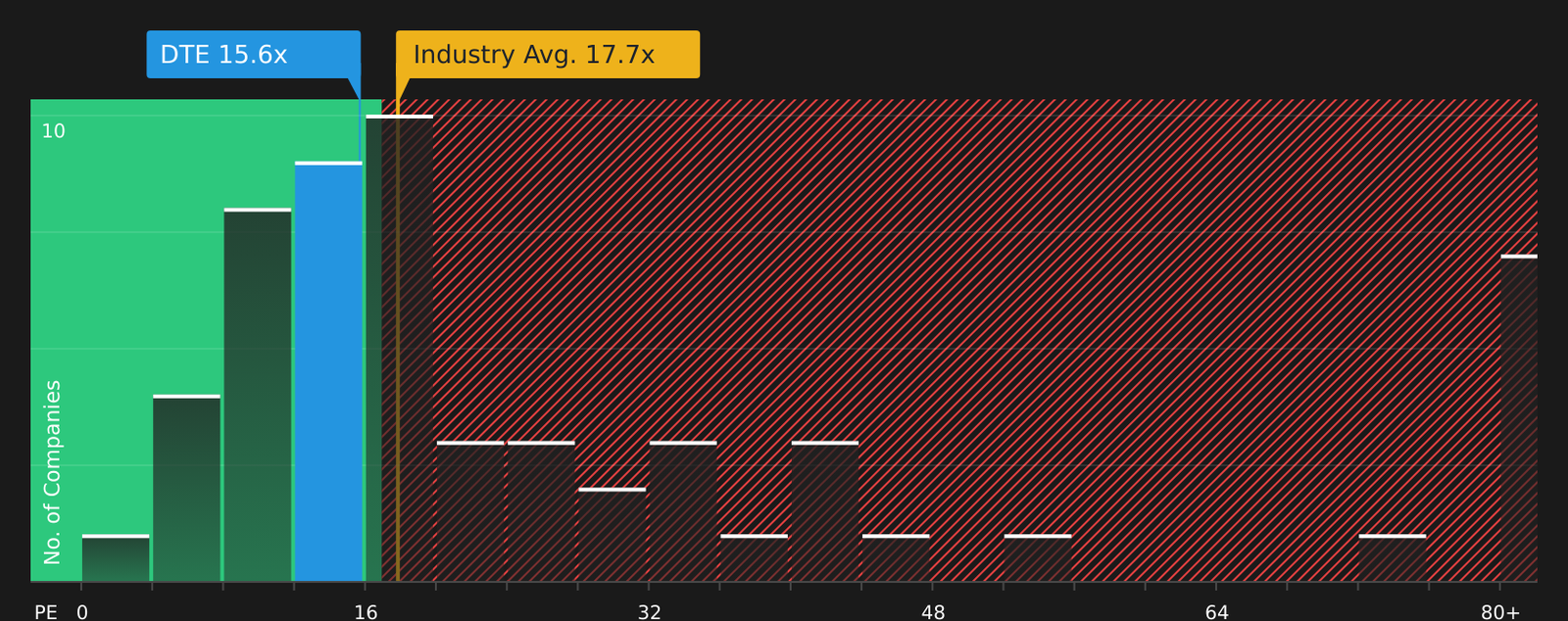
    With the stock currently trading at approximately €28.10, investors are questioning whether this price already accounts for the company’s recent growth or if there is still room for further upside. A primary indicator of this value is the Price-to-Earnings (P/E) ratio, which currently sits at 15.6x for Deutsche Telekom.

    This figure positions the company favorably against the broader telecommunications industry average of 16.8x and significantly below the peer group average of 26.9x. By this metric, Deutsche Telekom trades at a notable discount compared to comparable market players based on reported earnings.

    The Case for a Higher Fair Value

    When adjusting for specific business variables—such as profit margins, sector positioning, company size, and risk profiles—the tailored fair P/E ratio for Deutsche Telekom climbs to approximately 20.7x. This discrepancy between the current 15.6x multiple and the 20.7x fair value suggests that the market has not yet fully priced in the earnings potential of the firm.

    Even with recent market attention surrounding the company’s strategic involvement with SphereNet, the P/E ratio remains at a level that indicates an undervalued status. This persistent gap raises a key question for market participants: is the market slow to adjust, or does the discount reflect lingering investor caution regarding the execution of cash flow drivers and future milestones?

    Market Outlook and Investor Sentiment

    The valuation analysis indicates that Deutsche Telekom continues to screen as undervalued on an earnings basis. Moving forward, the company’s ability to deliver on its projected earnings profile will be the critical factor in convincing the market to close the existing P/E gap. Whether investors continue to treat the stock as a cautious hold or recognize the underlying value will depend largely on how the company navigates its upcoming operational milestones and the integration of new payment rail plans.

  • Lattice Semiconductor Hits Record Q2: Undervalued or Overhyped?

    Lattice Semiconductor Hits Record Q2: Undervalued or Overhyped?

    Lattice Semiconductor (LSCC) reported record-breaking second-quarter results on August 4, pairing the strong performance with a robust Q3 2026 revenue guidance of US$245 million to US$265 million, a figure bolstered by the integration of AMI.

    Market Momentum and Financial Performance

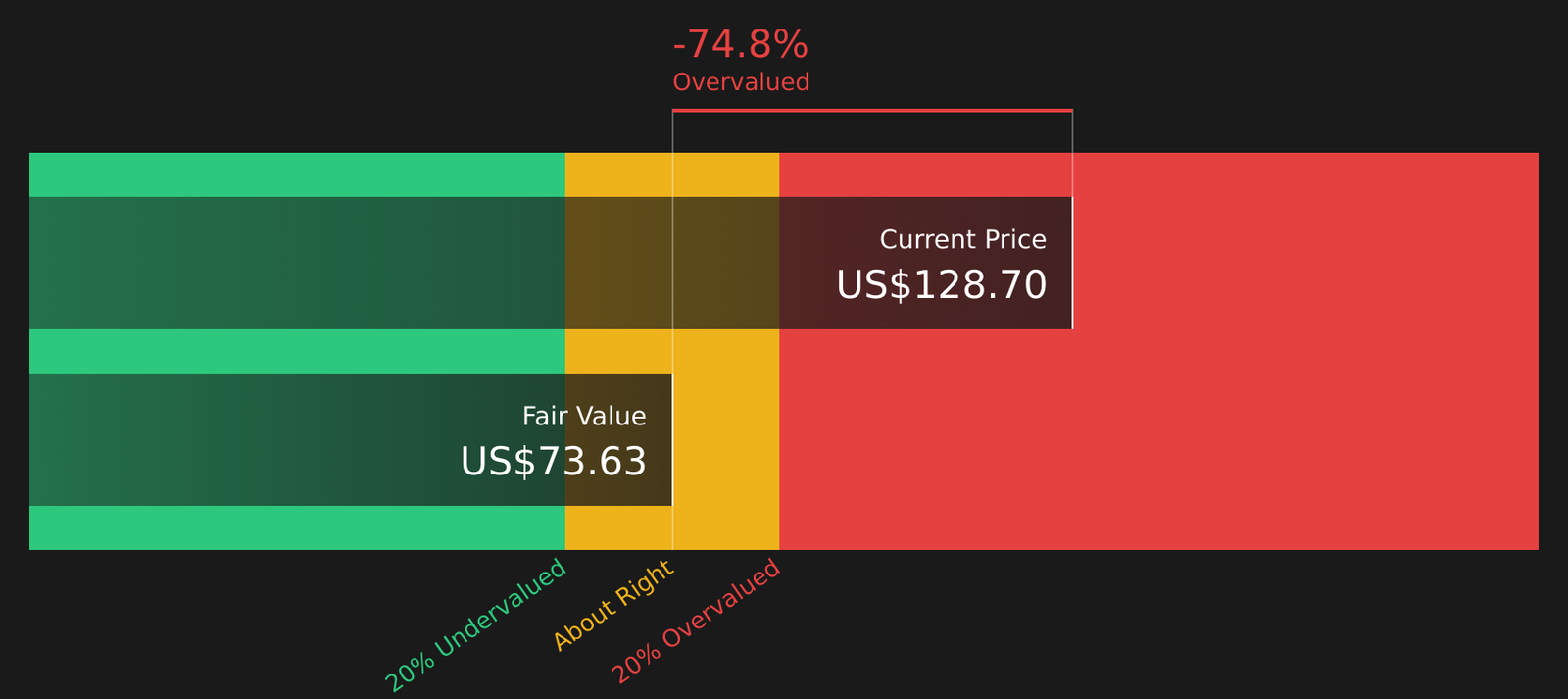
    Lattice Semiconductor shares are currently trading at US$128.70. The company has demonstrated significant market momentum, delivering a year-to-date return of 63.64% and a 1-year total shareholder return of 111.96%. This surge is largely attributed to the company’s record Q2 earnings, updated financial guidance, and the strategic acquisition of AMI.

    Valuation: The Tug-of-War

    With the stock hitting triple-digit annual returns, investors are questioning if the current price offers a compelling risk-reward profile or if the upside has already been priced in. Current market analysis suggests a fair value of US$146.92, implying a valuation gap based on long-term growth forecasts. This model relies heavily on compounded revenue expansion, improved long-term margins, and a higher earnings multiple.

    Diverging Perspectives: Narrative vs. Cash Flow

    The valuation of LSCC is currently subject to two distinct analytical frameworks:

    • Narrative-Driven Valuation: Suggests the stock is undervalued by approximately 12.4%, with a fair value target of US$146.92.
    • DCF Model: Projects a future cash flow value of US$73.63, indicating that the stock may be expensive when viewed strictly through this lens.

    This disparity highlights the tension between the potential of AI-driven growth and the inherent execution risks involved in scaling the business.

    Key Risks to Watch

    Despite the optimistic narrative, Lattice Semiconductor faces notable challenges. Investors should remain cautious regarding two primary risk factors: the potential for intensifying competition within the low and mid-range FPGA market and the operational complexities associated with the AMI integration.

    The current market environment requires a careful balance between the company’s AI potential and the tangible risks of execution. Investors weighing these factors should consider both the growth rewards and the warning signs to determine if the stock aligns with their long-term financial objectives.

  • Occidental Petroleum Eyes $4B Cash Flow Boost by 2030

    Occidental Petroleum Eyes $4B Cash Flow Boost by 2030

    Occidental Petroleum (OXY) leadership, led by CEO Richard Jackson and CFO Sunil Mathew, confirmed a strategic roadmap during their Q2 2026 earnings call to deliver $4 billion in sustainable free cash flow improvements by 2030. This growth is anchored in structural operational efficiencies, debt reduction, and a disciplined capital allocation strategy that prioritizes preferred equity redemption over share buybacks.

    The Path to $4 Billion in Cash Flow

    The company’s plan is front-loaded to ensure momentum, with roughly $2 billion—or 50% of the target—slated for achievement between 2026 and 2027. Key drivers include the completion of Stratos capital expenditures, significant interest expense savings from aggressive debt reduction, and ongoing gains in operational productivity. The remaining balance, including the $700 million preferred equity redemption, is projected for completion by 2029.

    Capital Spending and Efficiency Targets

    CFO Sunil Mathew detailed that the 2027 capital spending baseline is set at $5.9 billion, which includes mid-cycle projects. When excluding exploration and multiyear ventures like the Gulf of America waterflood, sustaining capital is estimated at $5.0–$5.1 billion. The objective is to drive this sustaining capital down to $4.5 billion by 2030 by lowering the base decline rate from approximately 25% to 20% and improving well cost efficiency by 12%.

    Advancing Recovery Through CO2 EOR

    CEO Richard Jackson emphasized that Occidental’s decade-long investment in CO2 Enhanced Oil Recovery (EOR) pilots in the Permian is yielding results, with consistent recovery uplifts exceeding 45%. These techniques are expected to boost unconventional recovery factors from 10% toward 20%. Three commercial projects are currently in development, with an expected online window between late 2028 and 2029, further supporting the company’s base decline rate targets.

    Debt Reduction and Shareholder Returns

    Management clarified that debt reduction remains the immediate financial priority. The company aims to reach a $10 billion principal debt milestone before pivoting to further net debt reduction and accumulating cash for the August 2029 preferred equity redemption. Consequently, share buybacks are currently classified as a lower priority until the preferred equity obligations are fully satisfied.

    Operational Excellence and Low Carbon Ventures

    Occidental continues to lean into a “doing more with less” philosophy. Despite reducing rig counts in the Permian, the company expects to bring 15 additional wells online, bolstered by advanced drilling efficiencies and simulfrac operations. Regarding Low Carbon Ventures (LCV), the company views carbon capture as a value-add, particularly for powering data centers and managing EOR operating costs. With the Stratos project transitioning from development to operations, approximately $400 million in LCV capital is expected to roll off starting next year.

    Midstream Outlook and Growth Strategy

    While new Permian takeaway capacity is narrowing Waha to Gulf Coast spreads—impacting midstream income—the company noted this is being offset by stronger upstream gas realizations. Consequently, Occidental has increased its full-year midstream guidance by $300 million. Looking toward 2027 and beyond, management is evaluating an “efficiency-led growth” model, where a moderate 2% CAGR could potentially exceed the $4 billion free cash flow baseline by 2030, provided that short-cycle and mid-cycle investments remain balanced.

  • Cimpress Q4 2026: Canva Partnership and Growth Targets

    Cimpress Q4 2026: Canva Partnership and Growth Targets

    Cimpress (CMPR) concluded its fiscal year 2026 with a strategic focus on operational excellence, announcing a major partnership with design giant Canva and raising its profitability targets for 2028 during its Q4 earnings call. Founder and CEO Robert Keane and CFO Sean Quinn detailed how the company’s ongoing transformation—centered on mass customization and supply chain efficiency—positions it for sustained growth despite a complex global trade environment.

    Strategic Partnership: Integrating with Canva

    A centerpiece of the company’s forward-looking strategy is a new technical integration with Canva. According to Robert Keane, this partnership allows customers to move seamlessly from design prompts to professionally produced Vistaprint products without leaving the Canva platform. “Canva is a real leader in Artificial Intelligence, and Canva AI will plug directly into Cimpress systems,” Keane noted. The integration is currently live for Vistaprint products in the U.S. and Canada, with plans for a global rollout across 25 additional countries by the end of September.

    Fiscal 2026 Performance and Financial Outlook

    Cimpress reported full-year revenue of $3.74 billion, a 10% increase on a reported basis. Adjusted EBITDA for the year reached $458.5 million. While Q4 profitability was impacted by approximately $10 million in non-core costs—including start-up expenses for North American manufacturing and inventory write-downs—management emphasized that these factors do not alter the company’s long-term trajectory.

    For fiscal 2027, the company provided the following guidance:

    • Revenue Growth: At least 7% (3% organic constant currency).
    • Adjusted EBITDA: At least $520 million, representing over 13% year-over-year growth.
    • Adjusted Free Cash Flow: Approximately $200 million.

    Raising the Bar for 2028

    Bolstered by recent tuck-in acquisitions, including the purchase of Saxoprint, Cimpress has raised its fiscal 2028 financial targets. The company now expects adjusted EBITDA of at least $615 million, up from its previous guidance of $600 million. Keane reiterated that the primary objective remains intrinsic value per share, rather than chasing short-term EBITDA targets at the expense of long-term health.

    Navigating Trade and Competitive Landscapes

    CFO Sean Quinn addressed the dynamic tariff environment, noting that while new U.S. Section 338 tariffs on Canadian goods present challenges, the company is actively operationalizing supply chain adjustments to mitigate the impact. Regarding the broader market, Keane maintained that the competitive landscape remains consistent with historical trends. “We live in a very, very competitive world, but that’s healthy,” he stated, noting that Cimpress’s scale and ability to serve small-to-medium customers provide a distinct advantage over larger industry players that focus primarily on enterprise-level clients.

    Operational Focus and Future Investments

    Looking beyond 2028, management expressed confidence in the company’s ability to continue growing cash flow. The focus remains on “elevated products” and expanding wallet share among high-value customers. By leveraging AI to drive development efficiency and maintaining disciplined capital allocation, Cimpress aims to sustain its multi-decade disruption of the fragmented $100 billion customized marketing products market.

  • Is Jackson Financial (JXN) Overvalued After Q2 Earnings?

    Is Jackson Financial (JXN) Overvalued After Q2 Earnings?

    Jackson Financial (JXN) reported robust Q2 2026 financial results, posting US$168 million in revenue and US$655 million in net income, marking a significant year-over-year increase in earnings per share from continuing operations.

    Market Momentum and Shareholder Returns

    The company’s stock has demonstrated strong performance, yielding a year-to-date return of 20.94%. Over the past three years, Jackson Financial has delivered a total shareholder return of approximately 3x, a trend largely fueled by consistent earnings growth, dividends, and aggressive share buyback programs.

    Valuation vs. Intrinsic Estimates

    Following the recent rally, JXN shares are trading at $129.96, which sits slightly above the narrative fair value estimate of $118. This discrepancy forces investors to look closer at the underlying assumptions regarding future growth, margins, and earnings trajectories.

    The Narrative Behind the Valuation

    The current fair value assessment of $118 is predicated on a specific revenue glide path, a anticipated shift in margins, and a tighter valuation multiple. Analysts are utilizing a discounted cash flow model with an 8.29% hurdle rate to determine if the company’s projected earnings acceleration can bridge the gap between its current market price and its intrinsic value.

    Growth Catalysts and Risk Factors

    Despite the valuation premium, Jackson Financial could outperform expectations if retail annuity sales maintain their current momentum. Furthermore, continued share buybacks remain a critical lever for reducing share count and bolstering per-share value.

    Investors should weigh these potential rewards against the inherent risks in the current narrative. A balanced perspective requires testing the assumptions behind the company’s growth forecasts and monitoring the key indicators that could impact long-term performance.

  • Johnson & Johnson: What OTTAVA and Talc Deals Mean for JNJ

    Johnson & Johnson: What OTTAVA and Talc Deals Mean for JNJ

    Johnson & Johnson (JNJ) is betting its future on a pivot toward innovative medicine and MedTech, anchored by the recent FDA authorization of the OTTAVA robotic surgery system and a proposed US$5.50 billion talc litigation settlement aimed at curbing long-term financial uncertainty.

    The Shift Toward MedTech and Robotics

    The FDA De Novo authorization for the OTTAVA robotic surgery system marks a pivotal entry for Johnson & Johnson into the soft tissue robotics market. This development is a core component of the company’s broader MedTech strategy, which is being bolstered by strategic partnerships in electrophysiology. While the OTTAVA system is currently in its early stages, its commercial trajectory—coupled with the Priority Review status of oncology assets like RYBREVANT FASPRO—serves as a critical litmus test for J&J’s innovation agenda. The company is under pressure to prove that these new assets can successfully offset the revenue impact as legacy products face increasing competition from biosimilars.

    Navigating Litigation and Financial Targets

    Beyond product innovation, the largest overhang for shareholders remains the ongoing talc litigation. The proposed US$5.50 billion settlement framework is a significant milestone, as it seeks to provide a clearer path forward by reducing the unpredictability of future cash demands. Investors are closely monitoring how these liabilities influence the company’s capital allocation and overall balance sheet health.

    Growth Projections and Market Sentiment

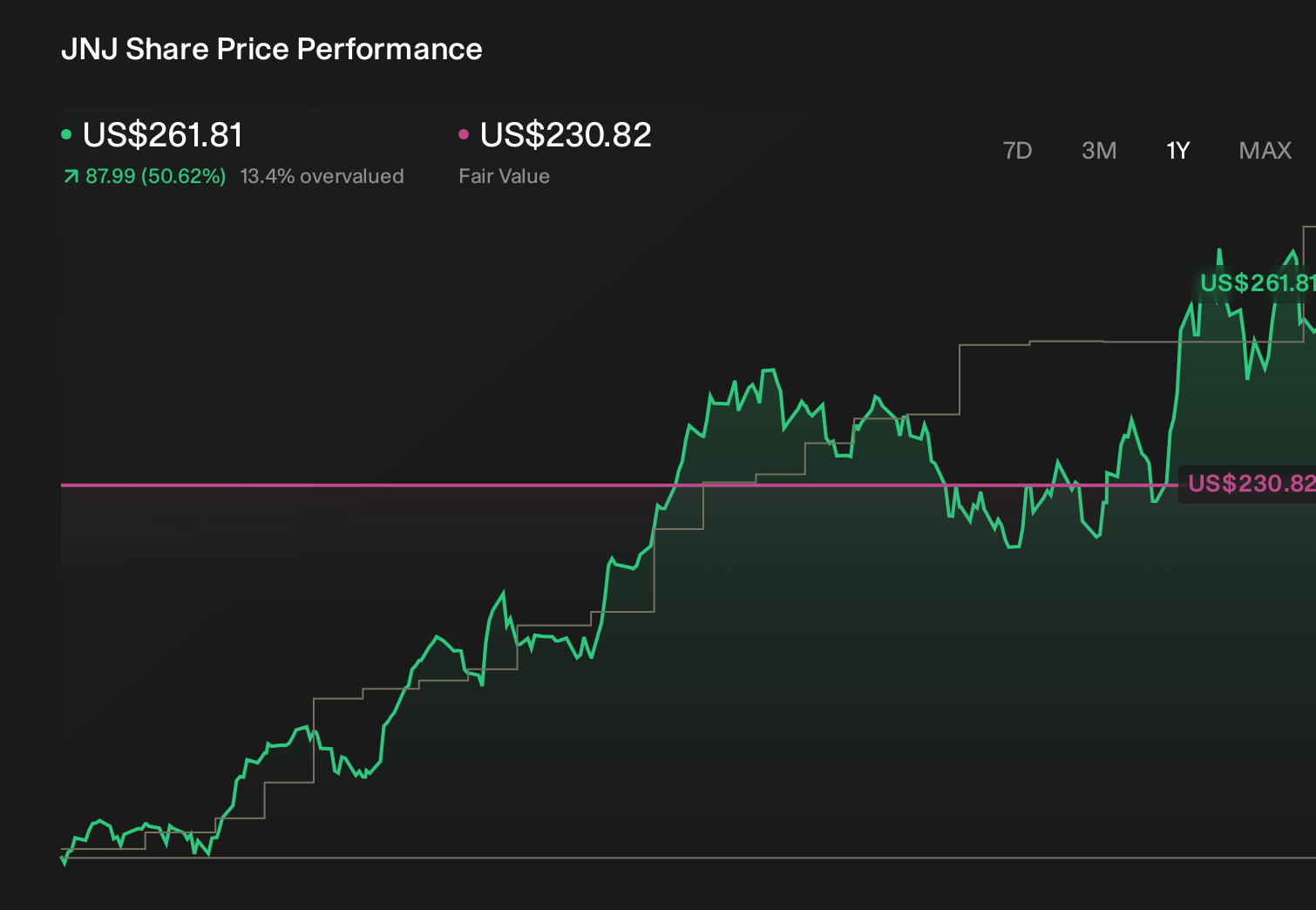
    Johnson & Johnson’s internal projections target US$120.5 billion in revenue and US$28.6 billion in earnings by 2029. Achieving these figures requires a consistent 7.2% annual revenue growth rate and an earnings increase of US$7.6 billion from current levels of US$21.0 billion. Current fair value estimates for the stock sit near US$270.59, representing a 3% upside from its current market price.

    Analyst Perspectives on Execution Risk

    Market sentiment remains divided. More cautious analysts project lower figures, anticipating revenues of approximately US$114.4 billion and earnings near US$22.6 billion by 2029. This bearish perspective is largely rooted in concerns that if the OTTAVA robotics platform scales more slowly than anticipated, MedTech margins could fail to meet expectations. As the market digests the latest regulatory and legal developments, these forecasts remain subject to revision, highlighting the importance of execution in J&J’s long-term strategy.

  • Is Compass (COMP) Stock Overvalued After Recent Gains?

    Is Compass (COMP) Stock Overvalued After Recent Gains?

    Compass (COMP) has delivered an impressive 49.8% return over the past year, but its current valuation suggests the shares may now be trading at a significant premium, leaving investors to question if further upside remains.

    Evaluating the Price-to-Earnings Premium

    The core issue for potential investors is determining whether the current share price fully accounts for recent positive earnings reports or if the market remains overly cautious. A standard metric for this assessment is the P/E ratio, which reveals how much investors are paying for every dollar of Compass’s earnings.

    Currently, Compass trades at a P/E ratio of approximately 139.2x. This figure stands in stark contrast to the broader real estate industry average of 17.7x and the peer group average of 92.1x. When applying a valuation model that accounts for the company’s specific growth profile, margins, size, and risk, a “fair” P/E ratio for Compass sits closer to 43.3x. While this model applies a heavy penalty for the company’s risk profile, the wide gap serves as a clear warning flag that the stock appears expensive based on current earnings.

    Market Optimism vs. Financial Reality

    Despite a strong Q2 earnings beat and optimistic forward guidance, the elevated P/E multiple indicates that the market has already priced in a high level of growth. Investors are effectively paying a premium today for future performance.

    To justify this valuation, Compass must demonstrate sustained progress in earnings and margins. If the company fails to meet these high expectations—or if housing market conditions deteriorate—the stock’s valuation could face pressure to realign with its industry peers.

    Analyzing Future Growth Paths

    The path forward for Compass depends on how its growth, profitability, and risk factors evolve. While the current price reflects significant optimism, further gains are not impossible; however, they would require the company to consistently deliver on its operational targets to make the current, elevated multiple sustainable.

    For investors looking deeper into the numbers, detailed valuation breakdowns and community-driven narratives—which explore various scenarios for growth and margin expansion—provide additional context on how the stock may be perceived relative to its intrinsic value.

  • Draganfly Q2 2026: Revenue Climbs 26% Amid Strategic Growth

    Draganfly Q2 2026: Revenue Climbs 26% Amid Strategic Growth

    Draganfly (NASDAQ:DPRO) announced second-quarter 2026 revenue of CAD 2.7 million, marking a 26% increase from the CAD 2.1 million reported in the same period last year, fueled primarily by robust product sales. Product revenue accounted for CAD 2.6 million of the total, while drone services contributed approximately CAD 100,000.

    Financial Performance and Margin Analysis

    Gross profit reached CAD 533,100, up from CAD 504,000 in Q2 2025. According to Chief Financial Officer Paul Sun, the quarter included a CAD 43,700 non-cash inventory write-down. Excluding this charge, the adjusted gross profit would have been CAD 576,800. The adjusted gross margin stood at 21.7%, a decrease from the 24.3% reported in the prior-year period, a shift Sun attributed to changes in the mix of products and services provided.

    Total comprehensive loss for the company widened to CAD 11.8 million, compared to CAD 4.7 million in the previous year. Sun noted that this increase was driven by higher administrative and office expenses, increased R&D investment, share-based compensation, and professional fees. The results also reflect an CAD 8,900 fair-value loss linked to a derivative liability from a February 2024 financing agreement.

    Sequential Growth and Liquidity

    Revenue saw a sequential increase of 15.2% from the CAD 2.3 million recorded in the first quarter of 2026. Gross margin performance also showed improvement, rising to 20% compared to 15% in Q1. On an adjusted basis, the gross margin reached 21.7% in the second quarter, up from 19.6% in the first quarter.

    Draganfly maintains a strong balance sheet, closing June with CAD 131.9 million in cash, up from CAD 90.2 million at the end of 2025. Total assets rose to CAD 154 million, and the company maintains a working capital surplus of CAD 144 million. CFO Paul Sun confirmed that the firm continues to carry minimal debt.

    Strategic Expansion: Campuses and Public Safety

    CEO and President Cameron Chell highlighted a new exclusive agreement with the International Association of Campus Law Enforcement Administrators (IACLEA). This partnership aims to provide drone and counter-UAS training and products to the association’s network of approximately 3,000 campuses. Initial interest has been high, with over 50 campuses expressing interest; the company plans a measured rollout starting with three campuses next quarter.

    Furthermore, Draganfly has signed the Small and Rural Association. The company’s public-safety strategy prioritizes rural agencies and campuses—which represent roughly 80% of U.S. police forces—over direct competition in saturated large urban markets.

    Acquisitions and Defense Innovation

    The acquisition of Skip Dynamix was finalized during the quarter, bringing essential engineering expertise and technology for thermoplastic fixed-wing aircraft to Draganfly. This technology is designed to support modular payloads and lower-cost production, enhancing the company’s Orca and Dolphin product lines for intelligence, surveillance, and reconnaissance missions.

    In the defense sector, Draganfly secured a DEVCOM contract to develop an ultra-light, mobile counter-drone system. This system is intended for personnel protection and forward operating bases, utilizing a mix of tracking software, kinetic or radio-frequency effectors, and tethered drones. Additionally, a new camera line was introduced through a partnership with Blitz to provide durable, dual-use capabilities for military and commercial applications.

    Looking ahead, Chell indicated that the company is expanding its U.S. facilities and personnel to meet anticipated demand. While acknowledging that revenue growth may be more gradual compared to some competitors, Chell emphasized that Draganfly is prioritizing the development of a comprehensive, integrated product portfolio tailored for industrial, public-safety, and military clients.