
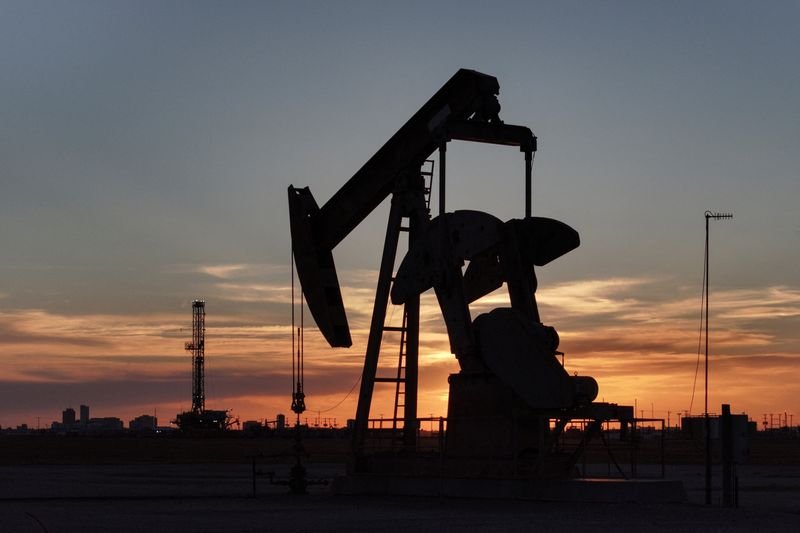
Oil prices maintained one-week highs on Tuesday as prospects for a U.S.-Iran peace deal dimmed, following President Donald Trump’s demand for reparations for damages allegedly caused by Iran.
Market Stability Amid Geopolitical Tension
Brent crude futures remained steady at $87.81 per barrel by 0013 GMT, while U.S. West Texas Intermediate (WTI) crude held firm at $82.20 per barrel. This stability follows a significant 5% surge on Monday, which pushed both benchmarks to their highest levels since July 31.
The market rally was triggered by President Trump’s rejection of Iran’s peace conditions. Instead, Trump countered with demands for compensation regarding lives lost in conflicts, attacks, and protests—a move analysts expect will severely complicate negotiations to reopen the vital Strait of Hormuz. Additionally, the President asserted that the U.S. maintains control over the waterway and has successfully cleared it of Iranian mines.
Diverging Views on Diplomatic Progress
“There appears to be a gulf, no pun intended, between the U.S. and Iran over what any agreement would actually look like,” noted Tim Waterer, chief market analyst at KCM Trade. He added that the optimism surrounding potential diplomatic breakthroughs has largely evaporated, leaving oil prices with a strong upward bias.
Supply Constraints and Infrastructure Risks
Supply chain concerns have been further exacerbated by regional instability. Saudi Aramco has pushed back the restart of its 400,000-barrel-per-day Jazan refinery to August 30, following claims by Houthi forces of two separate attacks on the facility this past Sunday.
Waterer emphasized that the “chokehold risk” regarding the Strait of Hormuz and the Bab el-Mandeb remains a critical factor for the market. “Even intermittent restrictions or the threat of further incidents keep insurance costs elevated and force longer shipping routes, which suggests energy flows will remain constrained in the near term,” he explained.
Export Declines and Pricing Shifts
Data from Barclays highlights the impact of these tensions on global transit. In the week ending August 7, net exports of crude oil and refined products through the Strait of Hormuz averaged 3 million barrels per day (bpd), a sharp decline from the 4.4 million bpd recorded the previous week.
In response to shifting market dynamics, Iraq has adjusted its pricing strategy, raising the September official selling price (OSP) for Basra Medium crude bound for Asia by $2.50, setting it at minus $4 a barrel against the average of Oman/Dubai quotes.