
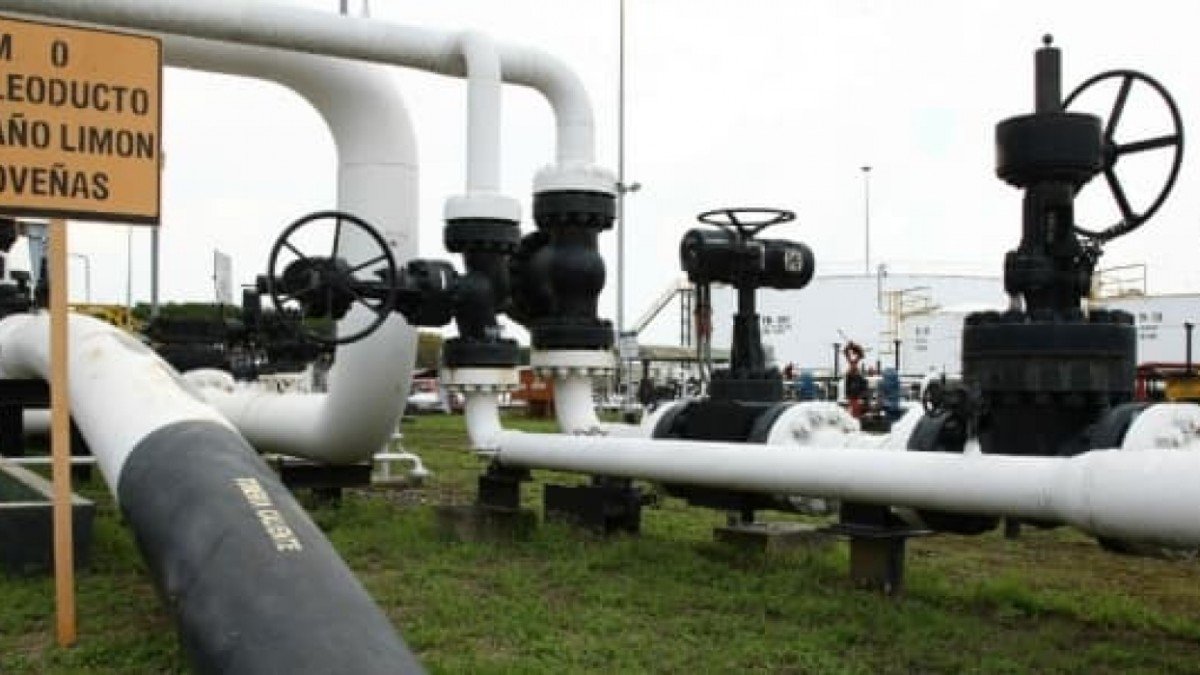
Colombia is set for a major energy policy reversal as newly inaugurated President Abelardo de la Espriella officially pledged to revive the nation’s oil and gas sector, ending the aggressive phase-out of fossil fuels initiated by his predecessor, Gustavo Petro.
The End of the Petro-Era Energy Shift
Over the past four years, Colombia’s “Just Energy Transition” pushed the country away from hydrocarbons in favor of wind and solar. Under former President Petro, a strict ban on new exploration contracts was enforced, while international funding for renewables surged. This period saw renewable capacity grow from 200 megawatts (MW) in 2022 to over 4,300 MW by 2026. By 2025, solar energy generation officially surpassed coal-fired electricity for the first time in the nation’s history.
A New Mandate for Hydrocarbons
President de la Espriella’s inauguration speech in Cali signaled a stark shift in priorities. While confirming he remains committed to a transition, he argued that the process must be built on “strength and self-sufficiency” rather than dependence. His administration plans to authorize fracking under strict regulatory standards and restore the operational focus of the state-owned energy giant, Ecopetrol S.A. (NYSE:EC).
Ecopetrol: From Political Interference to Expansion
During the Petro administration, Ecopetrol faced significant turbulence. Management frequently clashed with the government over strategy, leading to the termination of key international ventures, including a major project in the U.S. Permian Basin with Occidental Petroleum (NYSE:OXY). Furthermore, the company saw its tax burden skyrocket, with annual transfers to the government reaching 35 trillion Colombian Pesos (~$11.1 billion). These pressures, combined with the halt on new drilling contracts, caused Ecopetrol’s profits to plummet nearly 40% last year to roughly COP 9 trillion—the lowest level since 2017.
The Economic Cost of the Fossil Fuel Ban
The impact of anti-fossil fuel policies extended beyond Ecopetrol. Industry data indicates that foreign direct investment in Colombia’s mining and oil sectors contracted by 34%, falling to approximately $6.9 billion between 2023 and 2025. Domestic oil production dipped to 746,000 barrels per day, while dependence on natural gas imports surged, rising from just 3% of domestic consumption in 2023 to 31% by 2025.
The Path Forward: Coexistence of Energy Sources
The new government appears unlikely to dismantle existing renewable projects. Instead, the strategy involves a dual-track approach: utilizing hydrocarbon revenue to finance long-term energy goals while ensuring national energy security. Ecopetrol is already adjusting its 2026 Annual Investment Plan, which now targets between COP 22 and 27 trillion in spending. Approximately 70% of this budget is earmarked for upstream operations, with plans to drill up to 430 development wells. While 30% of the budget remains dedicated to infrastructure and cleaner energy initiatives, the primary focus has recalibrated toward restoring the country’s status as a top-tier oil and gas producer.