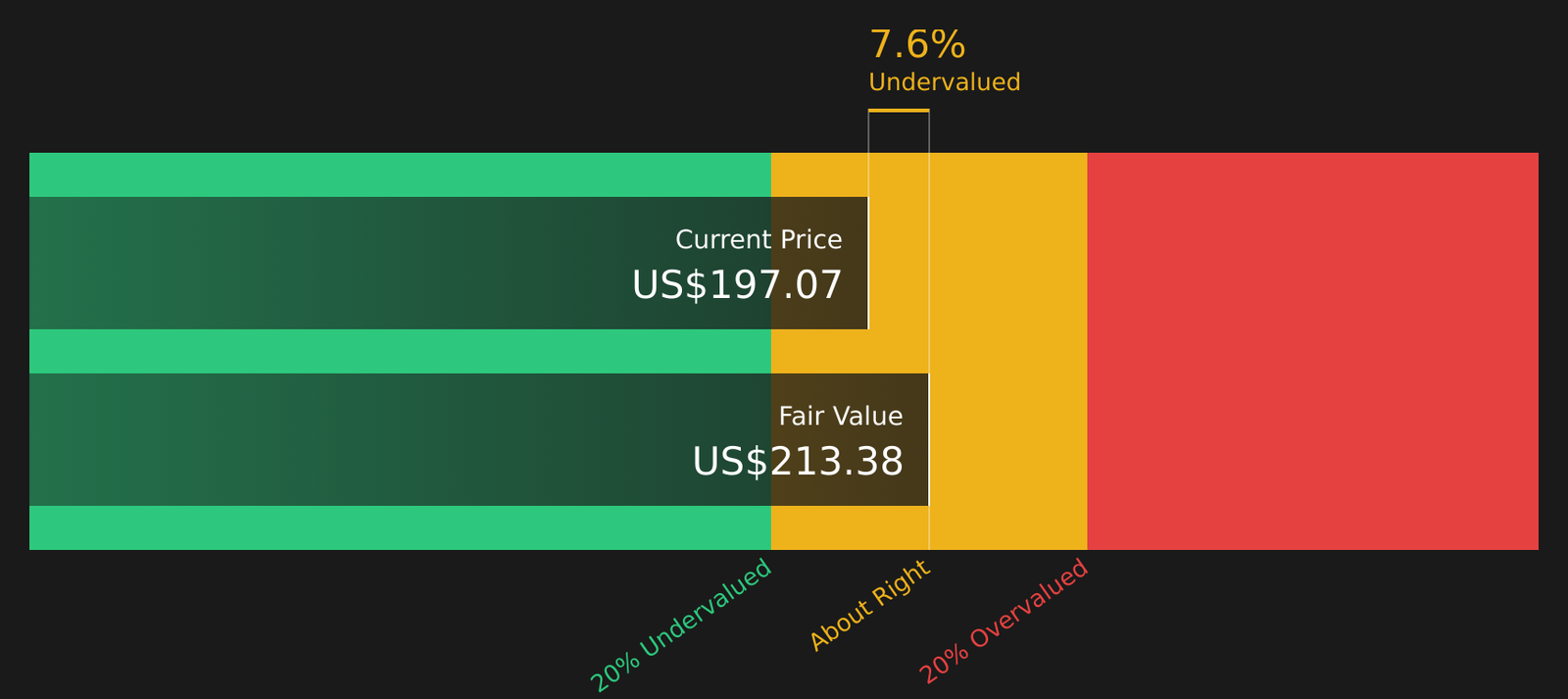

Clover Health Investments (NASDAQ:CLOV) posted robust second-quarter 2026 results, characterized by significant Medicare Advantage membership growth and sustained profitability, prompting the company to raise its financial guidance for the full fiscal year.
Strategic Growth and the Clover Assistant
CEO Andrew Toy identified the company’s proprietary “Clover Assistant” technology as the cornerstone of its clinical and financial strategy. The platform empowers physicians with a holistic view of patient health, facilitating earlier disease detection and more effective management of chronic conditions.
During the first half of 2026, Clover reported a 48% year-over-year increase in Medicare Advantage membership. Total revenue climbed by over $550 million to reach $1.5 billion, while GAAP net income improved by $67 million compared to the same period last year. Consolidated gross profit saw a $104 million boost, accompanied by a 200-basis-point improvement in operating leverage.
Quarterly Performance Breakdown
Interim CFO Clay Thornton noted that average Medicare Advantage membership hit 157,000 in Q2, a 48% jump from the previous year. Revenue for the quarter rose 56% to $743 million.
Consolidated gross profit reached $153 million, marking 54% growth year-over-year. Additionally, adjusted selling, general, and administrative expenses accounted for 15% of revenue, an efficiency gain of approximately 220 basis points compared to Q2 2025.
Clover reported adjusted EBITDA of $41 million and GAAP net income of $28 million for the quarter. Over the first six months of 2026, the company achieved $81 million in adjusted EBITDA and $55 million in GAAP net income.
Financial Position and 2026 Outlook
Clover concluded the quarter with a solid balance sheet, boasting $443 million in cash and investments with zero outstanding debt. Operational cash flow reached $133 million in the first half of the year, providing the company with the liquidity to self-fund future expansion.
Management remains disciplined, noting that because a substantial portion of its membership is early in the care cycle, they are carefully monitoring emerging claims data. The company anticipates higher gross profit in the third quarter compared to the fourth, citing typical Medicare Advantage seasonality and increased investment activities related to the annual enrollment period.
The Power of Cohort Maturation
A key driver of Clover’s confidence is the performance of its member cohorts. Management reports that cohorts typically see gross profit improve by roughly $70 per member per month as they transition from their first to their second year of enrollment.
Currently, the 2025 cohort—representing 21% of total membership—is showing superior economics in its second year. Meanwhile, the 2026 cohort (28% of membership) is tracking according to expected early-stage patterns. This progression is a primary factor in management’s positive outlook for 2027.
Operational Efficiency and Regulatory Status
Medical-cost trends have outperformed expectations, with favorable inpatient utilization and moderated outpatient trends during the second quarter. Furthermore, changes to out-of-network dental claims management and better-than-expected Part D performance contributed to the improved margins.
Regarding regulatory developments, CEO Andrew Toy confirmed that, following a court order and CMS recalculation, all Clover Medicare Advantage members are now enrolled in plans rated 4.5 stars for the 2027 payment year. While the government intends to appeal the decision, Clover is bidding for 2027 based on these 4.5-star ratings.
Future AI Integration
Looking ahead, Clover is expanding its use of artificial intelligence beyond clinical decision support. The company plans to integrate AI into insurance operations to accelerate claims processing, improve accuracy, and further reduce administrative overhead.