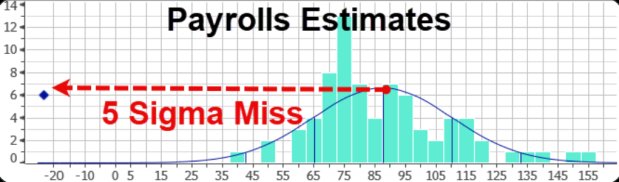

Bitcoin surged past the $65,000 threshold on Friday following a dismal U.S. jobs report that revealed a loss of 23,000 jobs in July, directly contradicting economist forecasts of 80,000 new positions. This unexpected economic contraction sparked immediate market optimism, as investors pivoted toward the crypto asset in anticipation of a shift in Federal Reserve policy.
The Correlation Between Economic Decline and Crypto Gains
While the U.S. Bureau of Labor Statistics noted that the unemployment rate dipped to 4.1 percent, this figure was largely influenced by a contracting labor force rather than robust hiring. To the casual observer, a struggling economy and rising Bitcoin prices may seem contradictory; however, the relationship is rooted in Federal Reserve interest rate strategy.
The Fed traditionally utilizes high interest rates to cool an overheating economy. Conversely, when job growth stalls and hiring weakens, the justification for maintaining high rates evaporates, creating a stronger case for monetary easing. High interest rates typically strengthen the dollar and drive capital into “safe” assets like Treasury bonds, while lower rates incentivize investors to shift capital into riskier, high-return assets like Bitcoin.
Market Shifts and Policy Expectations
The significant miss in the jobs report has fundamentally altered market expectations for the Federal Reserve’s September 16 meeting. Futures markets have reacted sharply, with the probability of a rate pause climbing to approximately 56 percent, a notable increase from the 35 percent estimate held just one day prior.
This shift in sentiment provided the momentum necessary for Bitcoin to shatter resistance levels that had held firm for weeks, pushing the asset to an August high of $65,300.
Bitcoin as a Macro-Asset
Bitcoin is increasingly functioning as a barometer for global macroeconomics rather than a niche digital currency. Institutional investors, hedge funds, and ETF managers now categorize Bitcoin alongside gold, equities, and emerging market currencies within a broader “risk-on, risk-off” framework.
Evidence of this institutional participation is clear: heading into the weekend of August 7, Bitcoin’s 24-hour trading volume spiked to $21.2 billion, far exceeding its recent daily averages. This volume surge indicates that the price movement was driven by significant market participants rather than retail traders alone.
The Road to $70,000
As Bitcoin holds steady near $64,940, the September 16 Fed meeting has emerged as the most critical date on the crypto calendar. If upcoming August economic data continues to show weakness, the argument for a Fed pause—and potential rate cuts—will gain further traction. Should this trend continue, the path for Bitcoin to reclaim the $70,000 level appears increasingly viable.
Ultimately, the current market dynamic is clear: poor jobs data is interpreted as a bullish signal for Bitcoin. This is not a reflection of economic hardship, but a direct response to the anticipated policy easing that the Federal Reserve must deploy to stabilize a softening economy.