Categoria: economy

  • Global Stocks Steady as Oil Spikes Over Hormuz Tensions

    Global Stocks Steady as Oil Spikes Over Hormuz Tensions

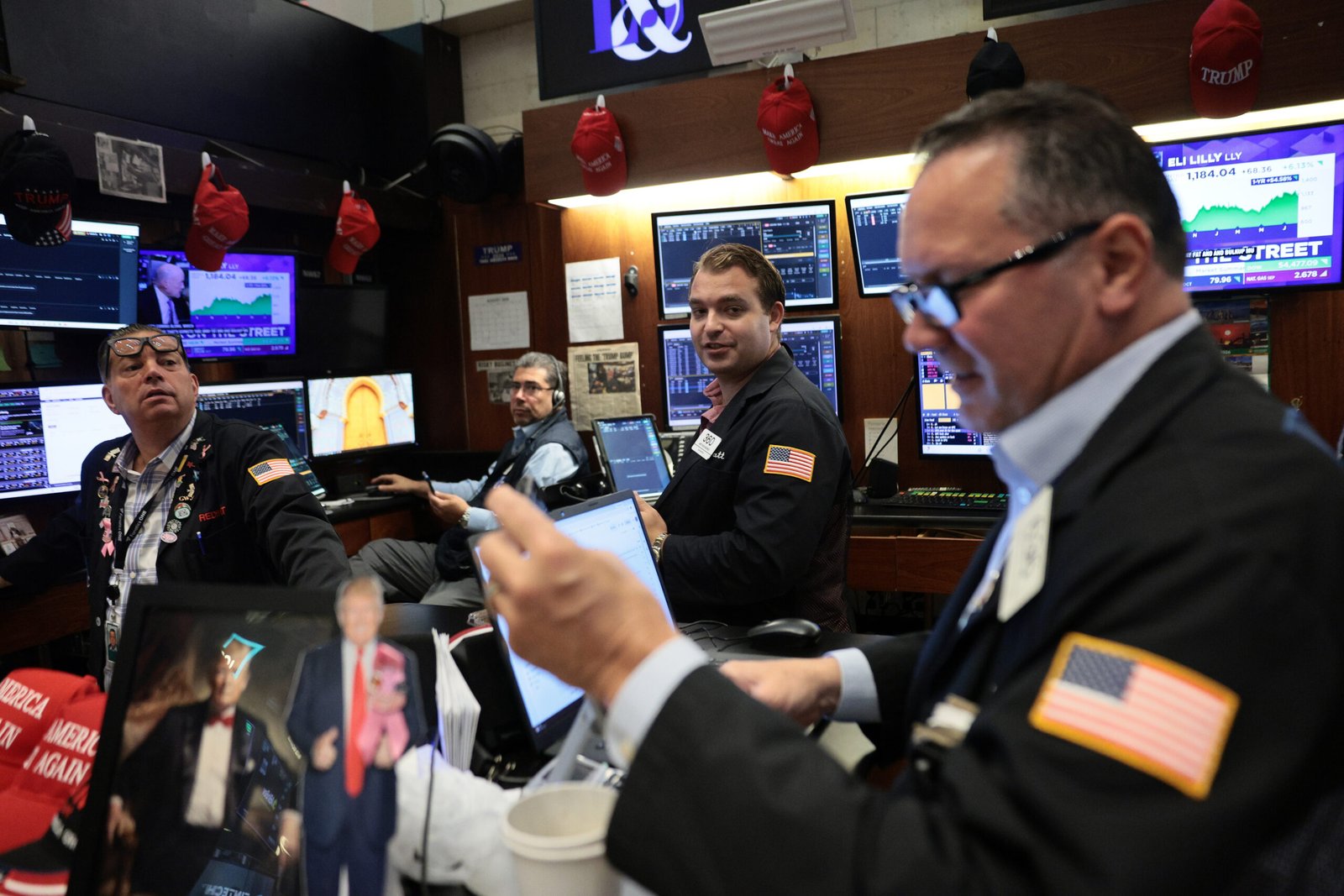
    Global stock markets remained largely range-bound on Monday, hovering near record highs amid low summer trading volumes, as investors brushed off a sharp 5% spike in oil prices while bracing for critical inflation data later this week.

    Geopolitical Friction and Oil Volatility

    The market’s calm was tested by rising tensions in the Persian Gulf after Iran issued a series of conditions for a potential reopening of the Strait of Hormuz. President Donald Trump responded by stating the United States would seek compensation from Iran for any resulting conflict. This exchange drove oil prices up by approximately five percent, exerting pressure on US equities, though failing to trigger a widespread sell-off. The S&P 500 concluded the session down 0.1 percent.

    “Stocks are doing their best to ignore the situation in the Persian Gulf, which is frankly what they’ve been doing for the last few months,” noted Steve Sosnick of Interactive Brokers. He highlighted a persistent trend since April where equities rally on positive peace signals but remain resilient against disappointment from the bond or oil markets.

    Market Sentiment and Inflation Focus

    In Europe, Paris and Frankfurt saw marginal gains, while London finished slightly lower. This follows a rally in US stocks on Friday, sparked by data showing a surprise loss of 23,000 jobs. The unexpected figure suggests the Federal Reserve may refrain from further interest rate hikes to combat persistent inflation.

    Market participants are now shifting their attention to US consumer inflation data due Wednesday, followed by producer price reports. Sosnick described the current landscape as “relatively directionless” as traders wait for these indicators to define the next trend.

    Asian Markets and Currency Fluctuations

    Earlier in the session, Asian markets were buoyed by a surge in technology shares. Japanese and Korean chipmakers led the rally, helping the Nikkei 225 climb more than two percent. Markets in Seoul, Hong Kong, Shanghai, and Mumbai also finished in positive territory.

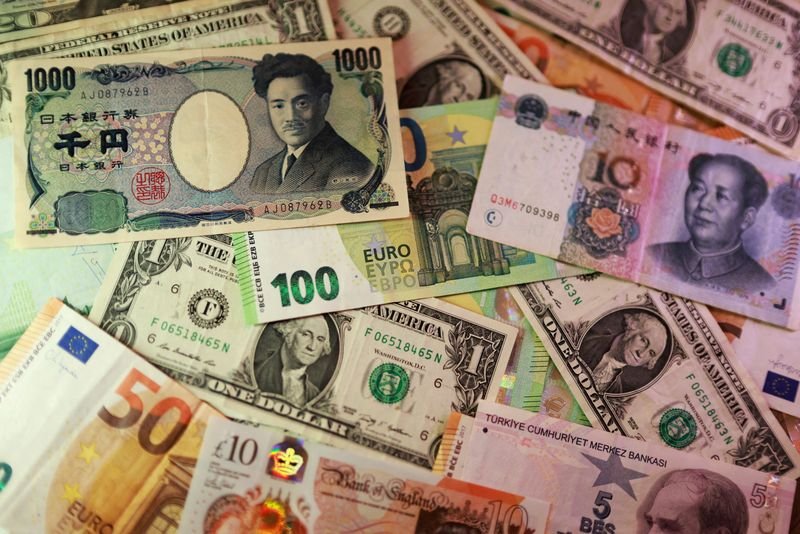
    On the currency front, the dollar showed mixed results. While it clawed back losses against some currencies following Friday’s jobs report, it advanced against the yen on Monday, reversing earlier declines seen when monetary authorities intervened to support the Japanese currency. Fawad Razaqzada of Forex.com warned that sustained high oil prices could complicate the Fed’s policy path, potentially providing long-term support for the greenback.

    Market Closing Summary

    New York – DOW: DOWN 0.1 percent at 53,975.98 (close)

    New York – S&P 500: DOWN 0.1 percent at 7,753.11 (close)

    New York – Nasdaq Composite: DOWN 0.3 percent at 26,605.36 (close)

    London – FTSE 100: DOWN 0.4 percent at 10,862.50 (close)

    Paris – CAC 40: UP 0.1 percent at 8,726.03 (close)

    Frankfurt – DAX: UP less than 0.1 percent at 26,323.88 (close)

    Tokyo – Nikkei 225: UP 2.1 percent at 66,970.22 (close)

    Hong Kong – Hang Seng Index: UP 1.1 percent at 25,937.49 (close)

    Shanghai – Composite: UP 0.7 percent at 3,966.59 (close)

    Euro/dollar: DOWN at $1.1543 from $1.1559 on Friday

    Pound/dollar: UP at $1.3508 from $1.3491

    Dollar/yen: UP at 159.31 yen from 157.76 yen

    Euro/pound: DOWN at 85.45 pence from 85.67 pence

    Brent North Sea Crude: UP 5.0 percent at $87.72 per barrel

    West Texas Intermediate: UP 5.1 percent at $82.13 per barrel

  • Cleveland Fed’s Hammack Calls for Multiple Rate Hikes

    Cleveland Fed’s Hammack Calls for Multiple Rate Hikes

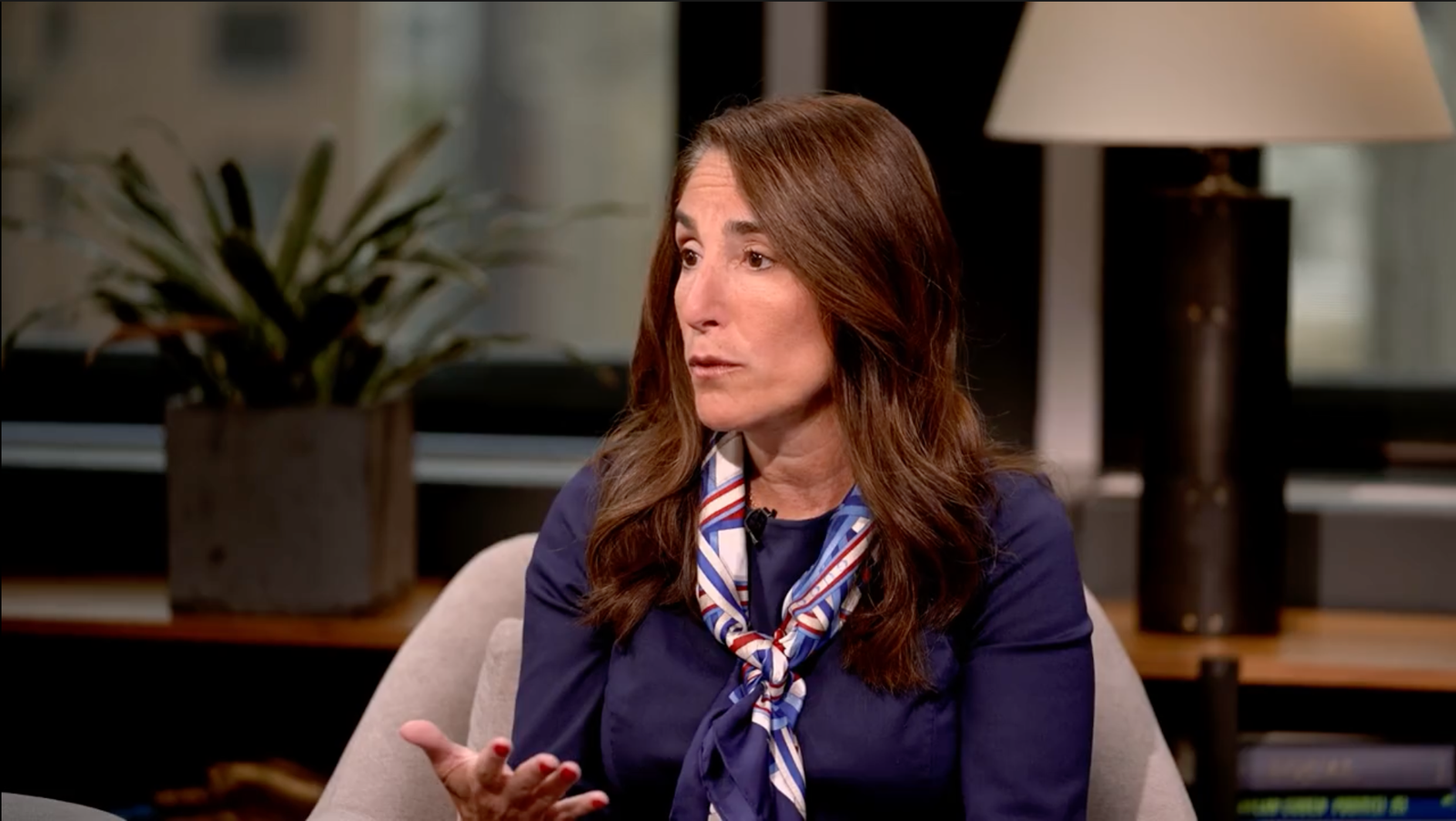
    Cleveland Federal Reserve President Beth Hammack stated on Monday that multiple interest rate hikes will be necessary to combat what she describes as persistent, broadening inflation.

    Why Single Rate Moves Aren’t Enough

    “I would say in general, one 25 basis point move probably doesn’t do a whole lot for the economy,” Hammack said in an interview with Yahoo Finance. “So it’s probably some number of [movements]. But I don’t want to prejudge what that number is going to be.” She added, “I don’t know exactly where we will end.”

    Hammack notably dissented during the Fed’s July policy meeting when the Federal Open Market Committee opted to hold rates steady, as she advocated for a quarter-percentage-point increase. She maintains that the current interest rate range of 3.5% to 3.75% is not “meaningfully restricting” the economy.

    Business Sentiment and Economic Restraint

    “When I’m talking to businesses, I’m not hearing that they’re sensing any restraint from investments in growth based on where interest rates are,” Hammack explained. “So to me that says that now is the time to act.”

    She warned that delaying policy adjustments increases the risk of inflation becoming entrenched, making it harder to return to the Fed’s 2% target. Hammack compared the strategy to braking before a stop sign, suggesting the Fed should gently ease into policy restraint rather than slamming on the brakes later.

    Inflation Data and the Labor Market

    The Fed’s preferred inflation gauge, the Personal Consumption Expenditures (PCE) index, sat at 3.3% core in June. While the Consumer Price Index (CPI) was 2.6% for the same period, economists anticipate a slight decline in the upcoming Wednesday report. If core CPI meets expectations, it would signal two consecutive months of cooling inflation.

    “Nothing would make me feel better than to be wrong, that we need to change the stance of policy to help bring inflation back to target,” Hammack said. “But from where I sit, I just don’t see it coming back on its own.”

    Regarding the labor market, Hammack remains unfazed by the recent July jobs report, which showed a loss of 23,000 jobs. She highlighted that payrolls have grown by an average of 20,000 to 25,000 over the past year and views the 4.1% unemployment rate as consistent with full employment. “I’m still not seeing a problem with the job market,” she noted.

    Fed Credibility and Market Expectations

    Addressing concerns regarding market confusion over Fed strategy—specifically following Chairman Kevin Warsh’s comments on bond yields—Hammack emphasized that markets are a “complement” to the Fed, not a substitute. “We have to stand behind our words with our actions when appropriate,” she asserted.

    Hammack believes the Fed’s credibility is forged through transparency and a clear explanation of its “reaction function.” By being explicit about how incoming data impacts decision-making, the Fed helps businesses and individuals plan more effectively. Ultimately, she reiterated that the central bank’s primary objective remains the firm commitment to a 2% inflation target, regardless of external market uncertainty.

  • Wall Street Rallies as Weak Jobs Report Dims Fed Hike Hopes

    Wall Street Rallies as Weak Jobs Report Dims Fed Hike Hopes

    Wall Street is betting that a dismal July jobs report will force the Federal Reserve to abandon plans for interest rate hikes, fueling a surge in stock prices.

    Labor Market Stagnation Sparks Economic Concern

    The Bureau of Labor Statistics’ July report revealed a loss of 23,000 jobs, significantly missing expectations. Simultaneously, the unemployment rate dipped to 4.1%, while labor force participation plummeted to levels not seen since the height of the pandemic.

    “The report suggests that the economy is seemingly slipping back toward the ‘no hire, no fire’ narrative that characterized the labor market through much of 2025,” noted Jim Baird, chief investment officer at Plante Moran Financial Advisors.

    A Downward Trend in Job Growth

    The data highlights a concerning cooling trend in hiring. Ameriprise chief economist Russell Price pointed out that the three-month rolling average of job gains has slumped to just 20,000, with the six-month average weakening to 44,000.

    “There were many moving parts, but very little to like about this report,” Price stated. “If the job market falters, consumers and the economy might not be far behind.”

    Fed Policy and Treasury Yields

    Treasury yields tumbled on Friday in response to the report, effectively reversing gains from earlier in the week when market sentiment suggested the Fed might be trailing behind in its inflation battle. With wage growth coming in softer than anticipated, strategists believe the weak labor numbers provide the Fed sufficient cover to maintain current rates.

    “To the point of the wage inflation, I think this really solidifies our view that the Fed is going to stay on hold this year,” said UBS’s Leslie Falconio.

    Market Reaction and the AI Trade

    Following the release, implied odds of a Fed rate hike in 2026 dropped to 56% on Polymarket, down from 63%. This shift in expectations provided a boost to equities, with the Dow, S&P 500, and Nasdaq all securing weekly gains. Large-cap tech stocks led the charge, led by Nvidia (NVDA) with a 10% weekly surge, while Microsoft (MSFT) and Meta (META) rose 8% and 7%, respectively.

    “In terms of what this does to the stock market, it’s probably positive in that it reduces the probability of a rate hike in September,” explained Amber Fairbanks, portfolio manager at Impax Asset Management.

    While Fairbanks remains optimistic about the AI sector, she urges investors to practice caution. “I think AI is still an attractive trade, but we have to be a little bit more picky in those companies that are really benefiting from a fundamental perspective, not just to benefit from a narrative perspective.”

    Future Projections

    Despite the labor market cooling, Yardeni Research remains bullish, projecting that strong earnings will drive the S&P 500 to 8,200 by year-end, representing a potential 5.6% gain from current levels.

  • The Hidden Economic Tax of America’s Aging Crisis

    The Hidden Economic Tax of America’s Aging Crisis

    As the Baby Boomer generation enters its twilight years, America faces an invisible but devastating economic crisis: a lack of essential infrastructure to support aging, forcing families to pay a steep “tax” in lost productivity, financial security, and personal opportunity.

    The Growing Wealth Gap in Elder Care

    The burden of aging is far from equitable. Recent reports underscore a troubling reality where wealth dictates the quality of care. Families with significant financial resources can purchase professional guidance and high-quality care, effectively preserving their assets. Conversely, those with fewer resources are forced to shoulder the load themselves, often sacrificing career progression, retirement savings, and long-term financial stability to provide for aging loved ones.

    Aging: A Consumer and Economic Failure

    For too long, society has mislabeled aging as a private family struggle or a strictly medical issue. In reality, it is a systemic economic failure. While the U.S. has developed sophisticated frameworks for home buying, education financing, and retirement planning, it has failed to create a roadmap for the complex, often traumatic, transition into senior care.

    Data from CareScout’s Cost of Care reveals the staggering reality: median annual costs for assisted living now exceed $74,000, with private nursing home rooms nearing $130,000. These figures, however, only represent the surface. The true challenge lies in the fragmented, navigation-heavy system that families are forced to manage alone—juggling insurance, legal advice, and healthcare coordination during times of immense emotional distress.

    The Ripple Effect: Invisible Costs

    The consequences of this infrastructure gap extend far beyond individual households. While direct payments for home care or medical modifications are easily tracked, the “invisible costs” are often much higher. Millions of caregivers are forced to reduce their work hours, turn down promotions, or exit the workforce entirely. This results in direct losses for employers through absenteeism and decreased productivity, while government social programs face mounting, unsustainable pressure.

    A Call for Structural Reform

    The widening wealth gap in America is a symptom of this structural failure. As longevity increases, the cost of this inaction will continue to balloon. Addressing this crisis requires a multi-sector approach involving public policy, private sector innovation, and active roles from financial institutions and healthcare providers.

    Aging must no longer be viewed as “someone else’s problem.” Every American is a future consumer of these systems. Building a robust infrastructure for aging is not merely an option—it is a necessity to ensure that the generations who built this country are not left to navigate a broken, fragmented maze during their final years.

  • Cleveland Fed’s Hammack Calls for Multiple Rate Hikes

    Cleveland Fed’s Hammack Calls for Multiple Rate Hikes

    Cleveland Federal Reserve President Beth Hammack signaled on Monday that multiple interest rate hikes are likely necessary to curb inflation, urging the central bank to act preemptively to avoid more severe economic consequences.

    The Case for Sustained Action

    “I would say in general, one 25 basis point move probably doesn’t do a whole lot for the economy,” Hammack stated during an interview with Yahoo Finance. While she refrained from specifying an exact number of hikes, she emphasized that a series of adjustments is likely required to shift the current economic trajectory.

    Hammack argued that the current federal funds rate range of 3.5% to 3.75% is failing to provide significant restraint. “When I’m talking to businesses, I’m not hearing that they’re sensing any restraint from investments in growth based on where interest rates are,” she noted, reinforcing her belief that the time for policy tightening is now.

    Avoiding a Sudden “Jarring Stop”

    Drawing on a driving analogy, the Cleveland Fed President warned against the risks of delaying action. She suggested that waiting too long to address rising prices forces the central bank into a sudden, aggressive policy response, which could be far more disruptive than a gradual slowdown.

    “Nothing would make me feel better than to be wrong, that we need to change the stance of policy to help bring inflation back to target,” Hammack said. “But from where I sit, I just don’t see it coming back on its own.”

    Economic Indicators and Labor Market Stability

    The urgency of her position is underscored by persistent inflation data. The Federal Reserve’s preferred gauge, the Personal Consumption Expenditures (PCE) index, sat at 3.3% on a core basis in June, while core CPI reached 2.6%. Market participants are now closely watching for the upcoming July CPI report.

    Regarding the labor market, Hammack stated that the July jobs report—which reflected a loss of 23,000 positions—has not diverted her attention from the inflation mandate. She highlighted that monthly job growth has remained steady in the 20,000-to-25,000 range over the past year, and she views the 4.1% unemployment rate as consistent with full employment.

    A Consistent Dissent

    Hammack’s recent comments align with her stance during the Federal Open Market Committee’s (FOMC) July meeting. She was one of three regional Fed presidents—alongside Neel Kashkari of Minneapolis and Lorie Logan of Dallas—who dissented against the committee’s 9-3 vote to hold rates steady, favoring a quarter-point increase instead.

    In her post-meeting justification, Hammack expressed concern over inflation’s prolonged duration above the 2% target, which has now lasted more than five years. She remains unconvinced that price stability will be restored without deliberate, proactive policy tightening from the committee.