Figma (FIG) shares tumbled 15% following its second-quarter 2026 earnings report on August 5, despite the company surpassing revenue estimates and raising its full-year guidance fueled by successful AI monetization.
AI Growth vs. Margin Pressures
The market reaction highlights a growing investor anxiety: while Figma’s aggressive push into AI tools is successfully driving revenue, the associated infrastructure and development costs are significantly squeezing profit margins. This recent sell-off follows a period of volatility, where the stock saw a 16% return over the last 90 days, yet carries a 69% total shareholder return over the past year, indicating that short-term momentum is currently outpacing the long-term narrative.
Evaluating the Fair Value Gap
Following the post-earnings drop, Figma is currently trading at $23.97, notably below the consensus fair value estimate of $30.40. This valuation gap raises critical questions regarding the company’s future growth trajectory. The bullish case for a $30.40 valuation relies heavily on sustained compound revenue expansion, a significant shift in margin performance, and the maintenance of a high earnings multiple.
Market Positioning and Valuation Metrics
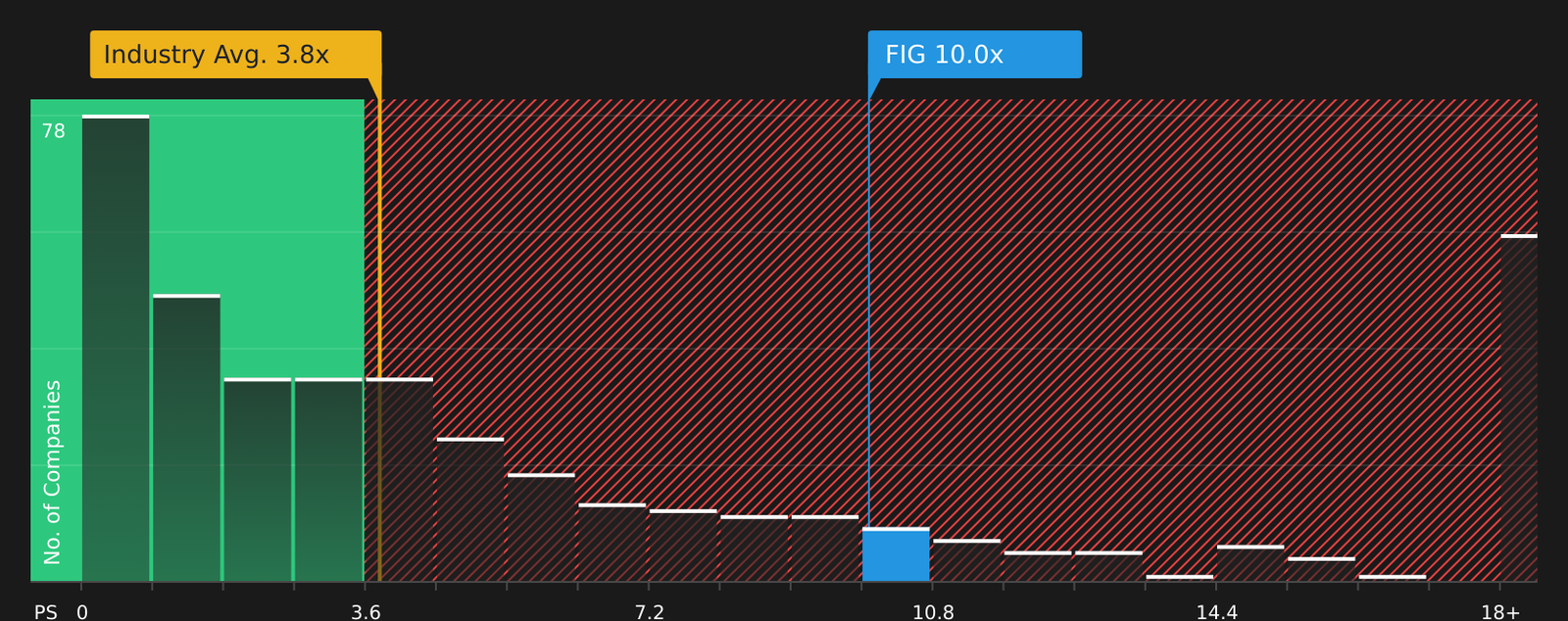
Investors are currently scrutinizing Figma’s pricing relative to its peers. The stock trades at a price-to-sales (P/S) ratio of 10x, which sits above the estimated fair ratio of 9.1x and the broader US Software industry average of 3.8x, though it remains lower than the 13.7x average seen among direct competitors. This positioning forces a choice for market participants: is the current price a discount for a premium growth story, or does the AI spending profile present an unacceptable risk?
Assessing Long-Term Risks
Beyond the current valuation, the path forward for Figma involves navigating heightened competition in the design and developer tools sector. Heavy capital allocation toward AI, combined with the potential for slowing revenue growth if market saturation occurs, remains a central concern for long-term stakeholders. Investors must weigh the potential rewards of Figma’s AI integration against these mounting operational warning signs.