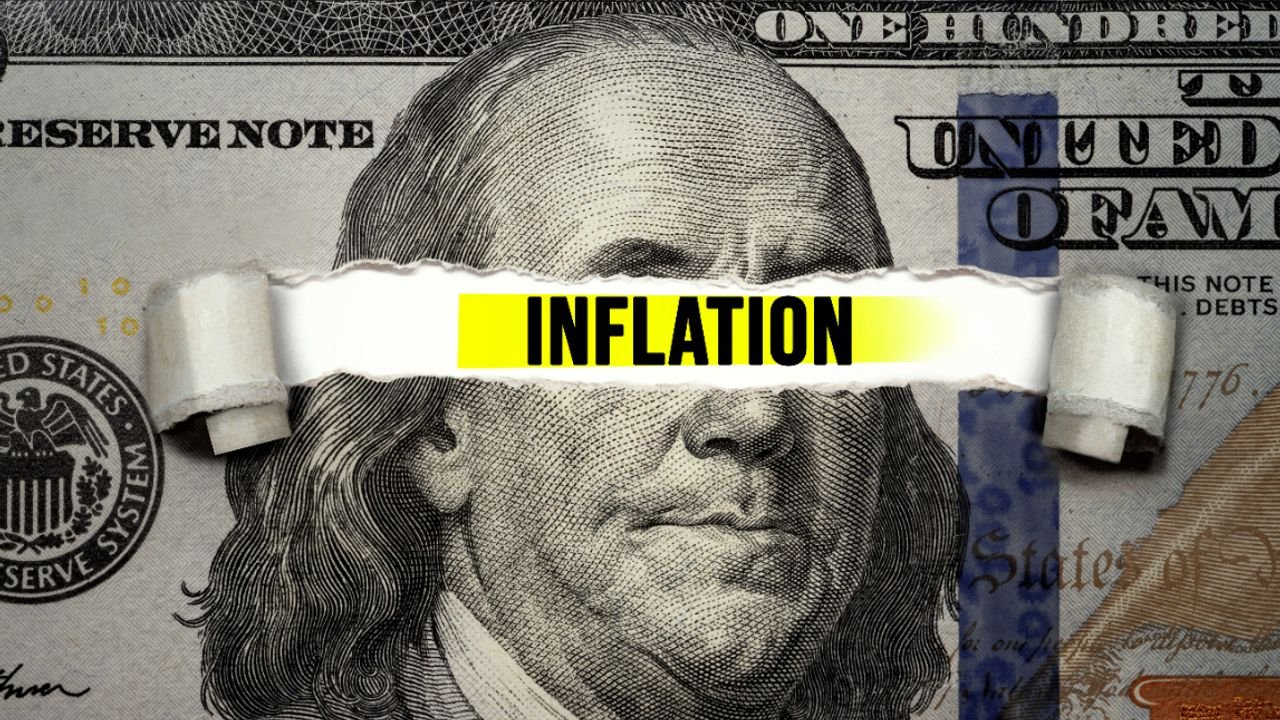

JPMorgan CEO Jamie Dimon is cautioning investors that persistent, heavy capital expenditure on artificial intelligence may prevent inflation from cooling, potentially forcing the Federal Reserve to keep interest rates elevated.
The AI Capital Demand Dilemma
While many market participants are betting on a cycle of inevitable interest rate cuts to stimulate economic growth and boost equity markets, Dimon sees a different reality. The massive influx of capital into AI data centers by major tech firms is driving significant demand for resources. According to Dimon, this insatiable appetite for capital acts as a structural force that could keep inflation anchored above the Federal Reserve’s 2% target.
In a recent interview with CNBC, the JPMorgan chief emphasized that inflation is driven not just by consumer expectations, but by raw capital demand. With tech giants pouring billions into infrastructure to secure their positions in the next growth wave, this spending spree may complicate the Fed’s ability to ease monetary policy.
Risks to the S&P 500
The prospect of “higher for longer” interest rates poses a direct challenge to the current market rally. The S&P 500 (SNPINDEX: ^GSPC) has enjoyed a period of remarkable performance, but if the market’s expectation for rate cuts fades, investor sentiment could shift rapidly. Should the Fed choose to hold rates steady or—in a worst-case scenario—hike them further, the market may face a significant pullback.
Although current interest rates have retreated from their 2022 peaks, they remain significantly higher than the ultra-low levels seen in previous years. If the economy fails to receive the expected boost from monetary easing, the risk of a market correction or a more pronounced downturn increases.
Strategic Diversification in a Volatile Climate
With the S&P 500 on track to deliver above-average returns for a fourth consecutive year, current market conditions suggest a need for caution. Investors may find it prudent to reassess their portfolios and prioritize defensive assets to mitigate potential volatility.
Shifting capital toward value-oriented investments and defensive stocks is a strategy that can help maintain market exposure while reducing overall risk. As economic uncertainty lingers, diversifying holdings may serve as an essential hedge against the possibility of a market contraction prompted by persistent inflationary pressures.