SpaceX shares tumbled 13.61% on Wednesday, marking a volatile reaction to the company’s first quarterly earnings report since its June initial public offering.
Capital Expenditures vs. Revenue Growth
While SpaceX surpassed Wall Street revenue expectations, investors zeroed in on significantly higher capital expenditures, fueling anxiety regarding the company’s near-term spending trajectory.
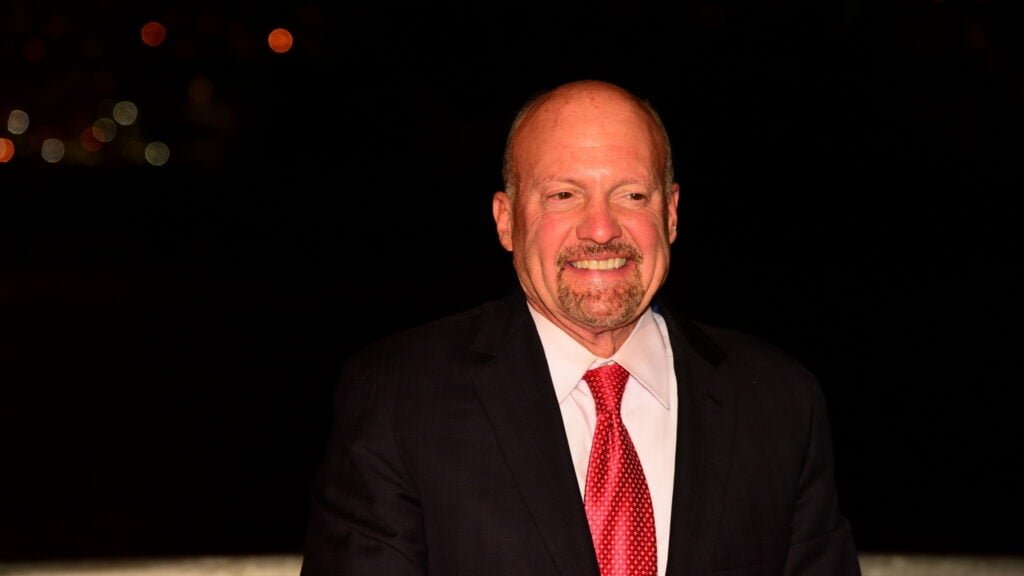
Market commentator Jim Cramer also highlighted a looming supply hurdle: approximately 911 million previously locked-up shares are set to become eligible for trading. This influx of shares could exert substantial selling pressure on the stock in the coming months.
The Musk Factor and Long-Term Strategy
Despite these immediate headwinds, Cramer maintains that the long-term investment thesis for SpaceX remains solid, primarily due to Elon Musk’s proven ability to deliver on complex, capital-intensive projects.
“I would never recommend SpaceX if Musk weren’t involved,” Cramer stated. “I’m confident that Musk can raise all of the money he needs.”
Future Growth Drivers
Cramer pointed to several key pillars for future growth, including the Starship program, the Starlink network, and the firm’s burgeoning AI compute business. The latter has already secured compute-rental agreements with major players such as Anthropic and Alphabet Inc.’s Google.
“One day this stock could be a huge winner,” Cramer added. “I just don’t know when that day will come.”
Quarterly Performance Snapshot
Earlier this week, SpaceX reported second-quarter revenue of $7.81 billion, a 92% year-over-year increase that comfortably beat the Street’s consensus estimate of $6.93 billion. The company concluded the quarter with $100 billion in cash and cash equivalents, supported by a robust $47.5 billion backlog.
Operational Outlook
Looking ahead, SpaceX reports strong demand across all three of its business segments, with particular strength in cloud services. The company expects the current supply-demand imbalance in AI compute to persist, noting that new compute investments are currently delivering a payback period of less than one year.