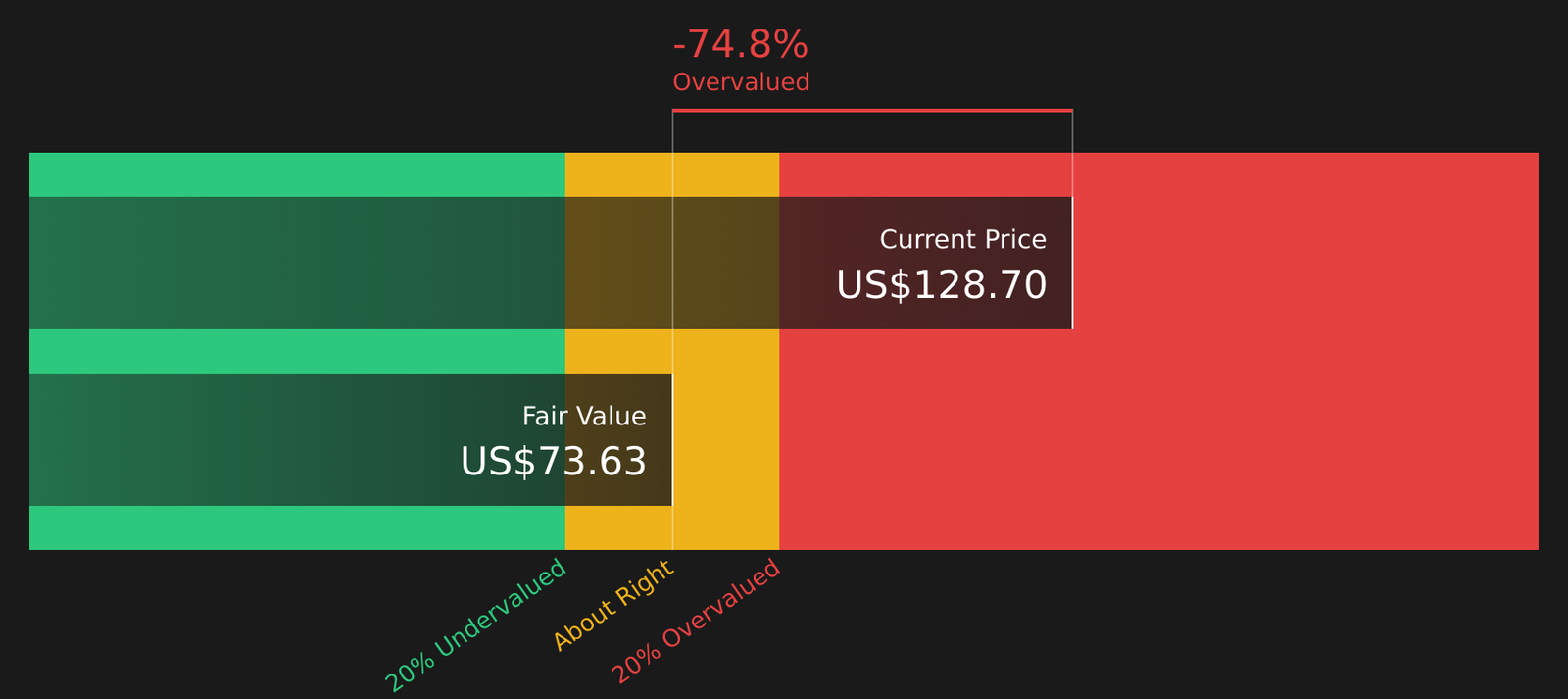

Sturm, Ruger & Company (RGR) reported a robust second quarter for 2026 on July 29, highlighted by a 19% year-over-year revenue increase to $158 million and a successful transition toward a new, streamlined internal operating framework.
Financial Performance and Operational Highlights
During the Q2 earnings call, CEO Todd Seyfert detailed a period of significant growth, noting that diluted earnings reached $0.43 per share, a sharp turnaround from the $1.05 loss reported in the same period last year. On an adjusted basis, earnings rose to $0.52 per share compared to $0.41 in 2025.
The company attributed these gains to strong product demand, strategic price adjustments, and improved manufacturing efficiency. Notably, cash generated from operations exceeded $17 million, allowing the Board of Directors to declare a quarterly dividend of $0.21 per share.
The Launch of the Ruger Business System
A central theme of the quarter was the formal establishment of the “Ruger Business System.” Seyfert described this as a foundational framework designed to standardize how the company plans, executes, and measures performance across all facilities. The initiative aims to foster long-term consistency, ensuring that the company can maintain operational excellence regardless of broader economic fluctuations.
Meeting Consumer Demand and Inventory Management
Despite previous production constraints, Ruger successfully increased throughput throughout the second quarter. The company focused on rebuilding finished goods inventory while keeping up with consistent consumer interest. While retail foot traffic saw typical seasonal slowing between April and June, distributor sell-through increased by 19% year-over-year, significantly outperforming the 5% growth in adjusted NICS (National Instant Criminal Background Check System) data.
Seyfert emphasized that the company is well-positioned for the upcoming fall hunting season, having balanced inventory levels while maintaining strong demand for its modern sporting rifle lineup, particularly the new Harrier rifle.
Strategic Priorities for the Balance of 2026
Looking toward the remainder of the year, Ruger’s strategy remains focused on three core pillars:
- Profitability: Reducing material costs and insourcing key components.
- Capacity Alignment: Redeploying capital assets and cross-training staff to improve facility flexibility.
- Market Expansion: Growing the accessory ecosystem and targeting international law enforcement and security markets.
Year-to-date, net sales have reached $299 million, a 12% increase over 2025. With $118 million in cash and short-term investments and zero debt, the company maintains a strong balance sheet as it continues its $30 million annual capital expenditure plan.
Q&A: Future Outlook and Product Strategy
Addressing analyst inquiries regarding new product launches, Seyfert explained that some releases were intentionally postponed during Q2. This decision was made to prioritize the production of high-demand existing product lines ahead of the peak hunting season. He clarified that this is a short-term tactical adjustment rather than a long-term delay.
On the topic of capital allocation, management reiterated a disciplined approach. The primary focus remains on reinvesting in the business—specifically through machinery upgrades and pilot programs for “mini cells” to increase manufacturing agility—followed by potential stock buybacks or M&A opportunities if they align with long-term goals.