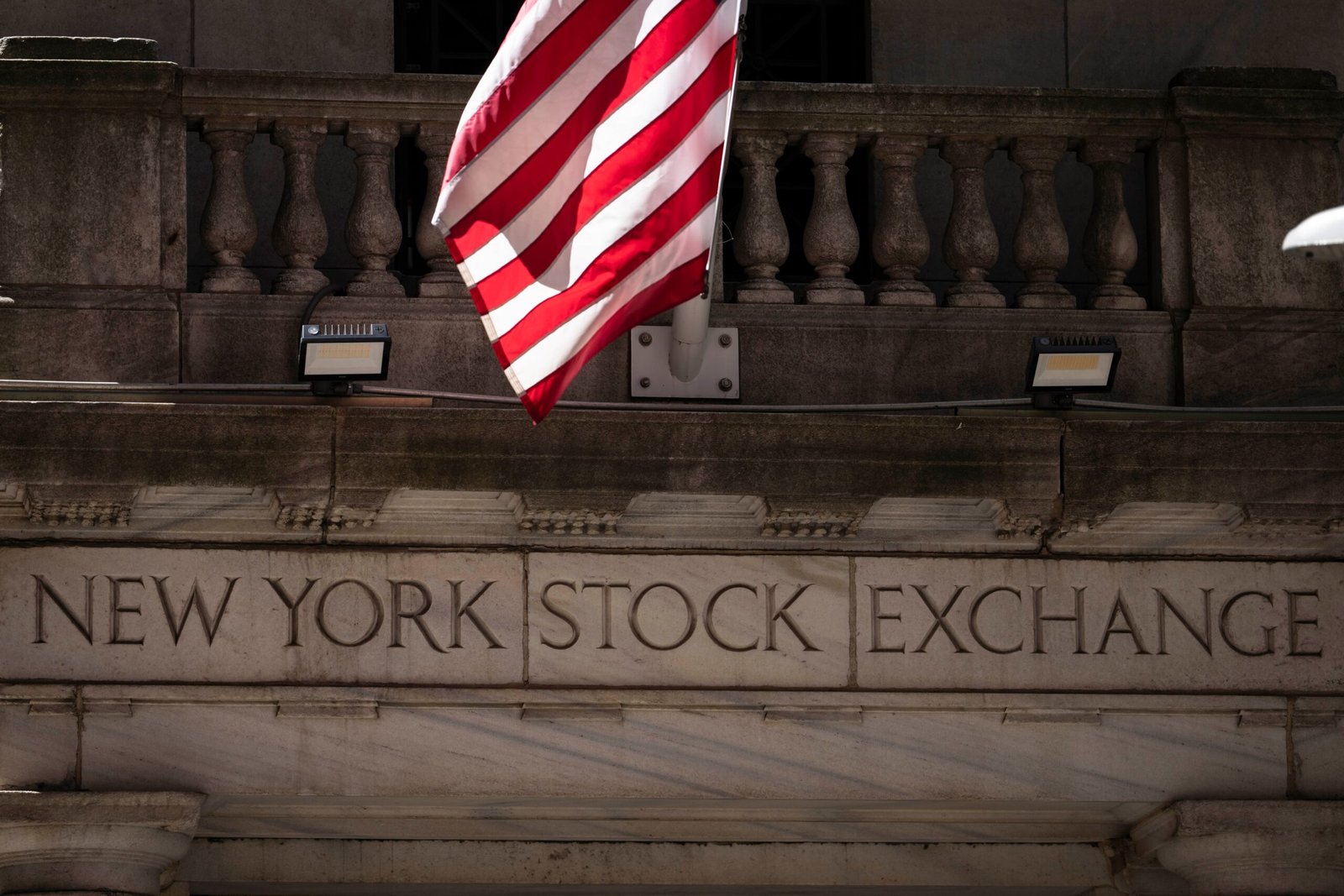
U.S. stocks retreated from record highs on Tuesday as persistent volatility in oil prices—driven by ongoing uncertainty surrounding the conflict with Iran—weighed on market sentiment.
Market Indices Face Downward Pressure
The S&P 500 dipped 0.3%, pulling further away from the all-time high established last Friday. Similarly, the Dow Jones Industrial Average fell 100 points, or 0.2%, by 1:32 p.m. Eastern time, while the Nasdaq composite declined 0.6%.
Oil Market Turbulence Continues
Energy markets remained unsettled throughout the session. Brent crude prices experienced a sharp intraday swing, briefly climbing above $90 per barrel before retreating to $88.77, marking a 1.2% gain from Monday’s settlement. These fluctuations have become a recurring theme since late February, when U.S. and Israeli actions against Iran triggered the closure of the Strait of Hormuz, severely restricting global oil supply. Over the past month, Brent has traded in a wide range between $72 and $102 per barrel.
The impact of rising crude costs is reflected at the pump, with the average price for a gallon of regular gasoline reaching $4.01, according to AAA. While this is lower than last week’s peak of $4.09, it remains significantly higher than the $3.14 recorded one year ago.
Inflation Data and Federal Reserve Policy
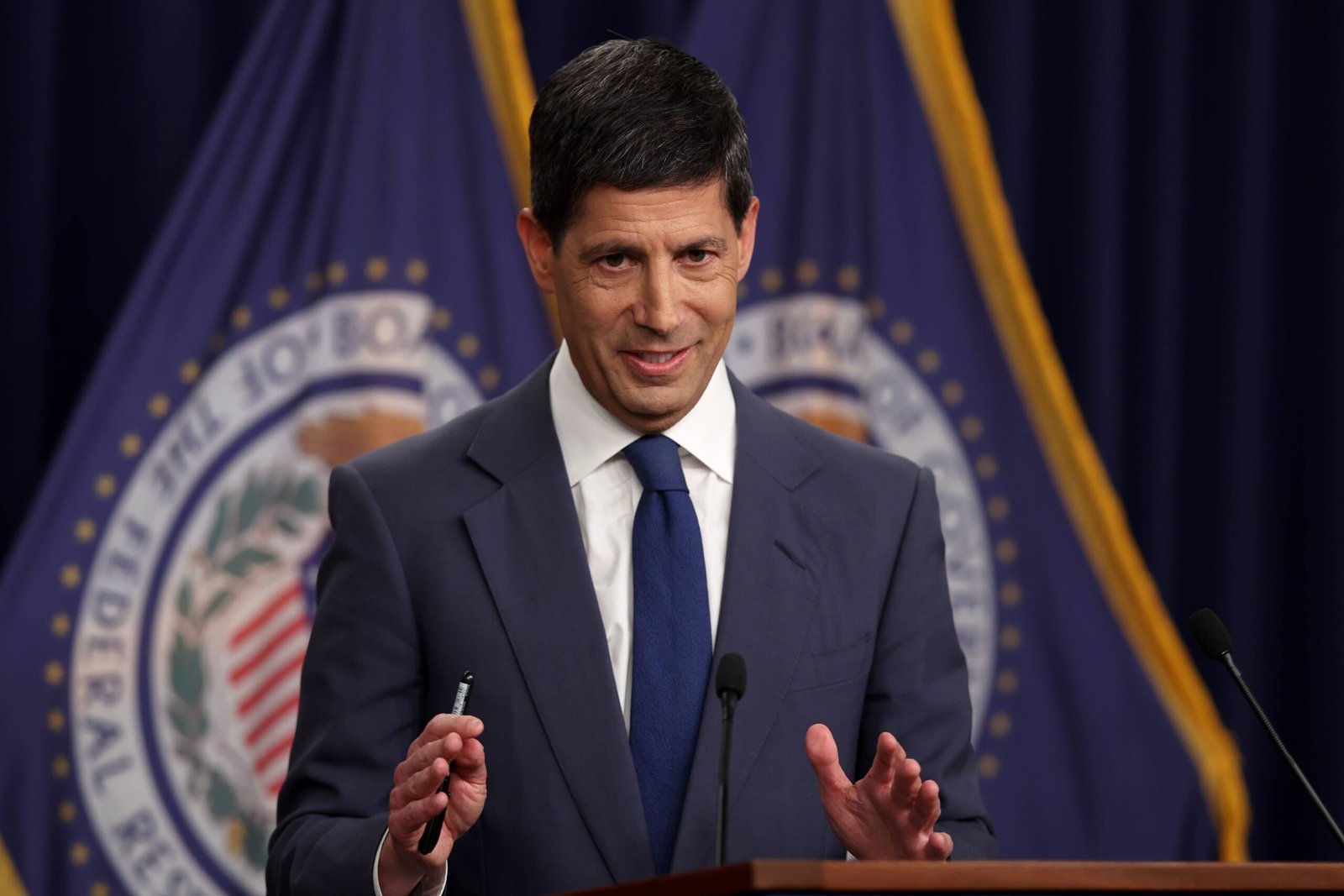
Investors are now looking toward Wednesday’s government inflation report. Economists anticipate a deceleration to 3.4% in July, down from 3.5% in June. This data is critical for the Federal Reserve, as policymakers remain divided on interest rate adjustments. While higher rates could curb inflation, they threaten to slow economic growth, increase borrowing costs for businesses and households, and negatively impact stock valuations.
Current data from CME Group suggests a 50/50 chance that the Fed will raise interest rates at its September meeting—a move that would mark the first increase in over three years and potentially clash with President Donald Trump’s calls for lower rates. Consequently, Treasury yields have surged since the onset of the conflict, pushing long-term mortgage rates to one-year highs. The 10-year Treasury yield moderated slightly on Tuesday to 4.69%, down from 4.72% on Monday, but remains well above the 3.97% level seen prior to the war.
Corporate Earnings and Individual Stock Performance
Despite macroeconomic headwinds, several companies exceeded spring profit expectations. Cardinal Health shares rose 0.9%, and Aramark surged 8.9% following strong quarterly results. These gains helped mitigate a 20.1% decline in On Holding; despite beating profit forecasts, the Swiss sneaker company issued revenue guidance that fell short of analyst estimates, stating it would avoid aggressive price cuts to drive volume.
Meanwhile, Intel slipped 0.4% after announcing a $20 billion stock offering at $95 per share—an increase from its initial $15 billion projection. The company intends to utilize these funds to capitalize on the surging demand for artificial intelligence infrastructure. Global markets remained mixed, with Hong Kong’s Hang Seng index leading regional declines with a 1.1% drop.