

Anthropic has secured $71 billion in chip-lease debt over a two-month period by leveraging specialized off-balance-sheet vehicles, allowing the AI firm to aggressively scale its […]

Is Atmos Energy (ATO) 9% Undervalued? Key Earnings Insights
Atmos Energy (ATO) reported strong fiscal 2026 third-quarter growth and reaffirmed its full-year earnings guidance, signaling potential undervaluation as the stock currently trades approximately 9% […]

2 Energy Stocks Currently Overhyped by Market Optimism
The energy sector has experienced a significant rally over the past year, fueled by rising oil prices, surging electricity demand, and intense investor enthusiasm surrounding […]

Camping World Q2 2026: Tough Market, Strategic Pivot
Camping World Holdings reported its financial results for the second quarter ending June 30, 2026, navigating what CEO Matthew Wagner described as the most challenging […]

Grocery Stores Are Secretly Scanning Your Face to Stop Theft
Grocery Outlet and other major retailers are increasingly deploying controversial facial recognition technology to combat shoplifting, sparking a heated debate over consumer privacy and surveillance […]

Arcade Acquires Smithery to Control the AI Agent Supply Chain
Arcade.dev has acquired Smithery, the prominent public registry and hosting platform that emerged as the premier destination for developers to discover and deploy Model Context […]
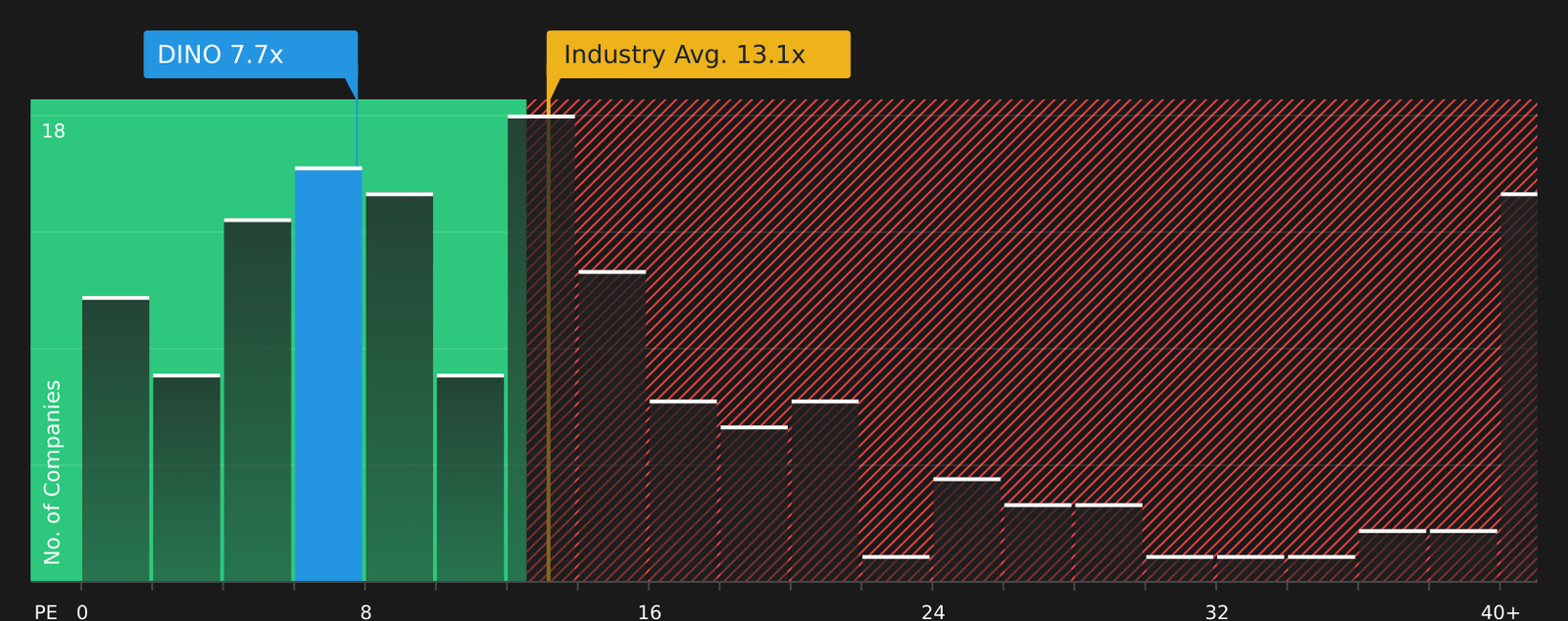
Is DINO Stock Still a Buy After 225% Gains?
HF Sinclair (DINO) has delivered an impressive 224.8% total return over the past five years, yet recent market data suggests the stock remains undervalued, prompting […]

Oklo Stock Surge: Real Growth or Just Nuclear Hype?
Oklo (NYSE: OKLO) shares jumped over 14% on Friday, August 7, after the company reported its first-ever quarterly revenue of $1.21 million and confirmed that […]
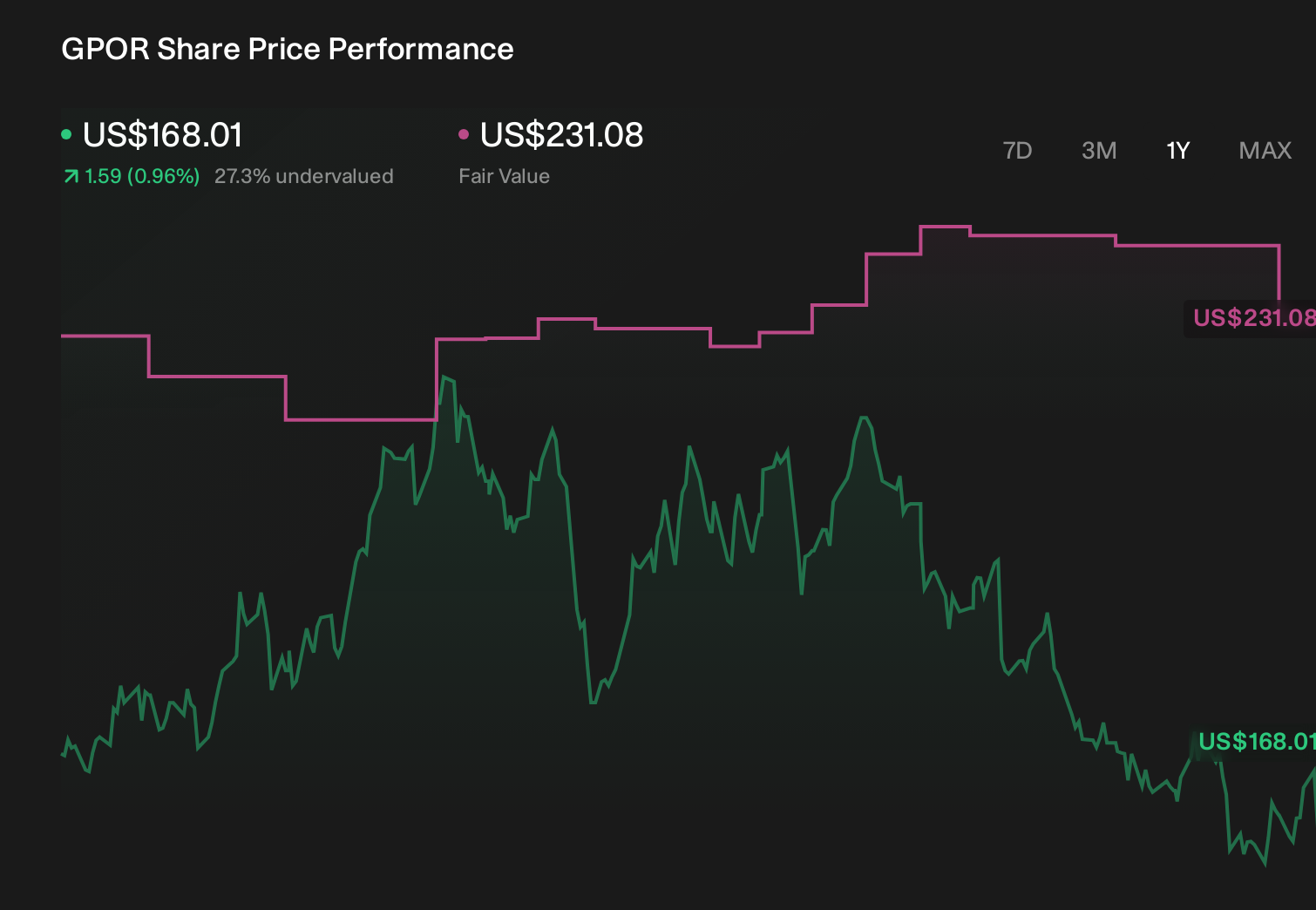
Gulfport Energy: CFO Exit and 2026 Guidance – Should You Buy?
Gulfport Energy (GPOR) is navigating a leadership transition and updated 2026 production targets, maintaining its strategic focus on the Utica and SCOOP basins despite recent […]

Paycom Q2 Earnings: Revenue Surges as Automation Drives Growth
Paycom Software (NYSE:PAYC) surpassed second-quarter expectations, reporting a 10% year-over-year revenue increase to $531 million, fueled by robust automation demand and enhanced operating efficiencies. Financial […]