

USA TODAY (TDAY) reported second-quarter 2026 revenue of US$536.34 million and net income of US$9.13 million, while reiterating its full-year guidance for higher net income […]

Kaspi.kz Q2 2026: AI-Driven Growth and Fintech Expansion
Kaspi.kz reported robust financial results for the second quarter and first half of 2026, highlighted by a 16% revenue increase and an 18% dividend hike, […]

Trump’s Iran Deal Hopes Won’t Lower Gas Prices
Donald Trump’s hopes of resolving U.S. energy frustrations through a potential deal with Iran are unlikely to yield results this year, as the complexities of […]

Arbutus vs. Moderna: The $178M Settlement That Changed Everything
A landmark legal resolution concerning lipid nanoparticle (LNP) delivery technology has fundamentally altered the financial landscapes for Arbutus Biopharma Corporation (NASDAQ:ABUS) and Moderna, Inc. (NASDAQ:MRNA). […]

d’Amico Shipping Hits Record Q2 Profits Amid Market Surge
d’Amico International Shipping SA (DMCOF) reported a powerhouse performance for the second quarter of 2026, driven by record-breaking spot rates of $57,500 per day. The […]

Rail Shift Hits Trucking: Why Shippers Are Fleeing Costs
Intermodal rail usage has surged by 10% compared to 2025 levels, while long-haul truckload demand stagnates, signaling a strategic shift as shippers abandon expensive trucking […]

Silicom (SILC) Q2 2026: Revenue Soars 59% Amid AI Boom
Silicom Ltd. (SILC) reported outstanding financial results for the second quarter of 2026 on Wednesday, July 29, significantly outperforming market expectations with a 59% year-over-year […]
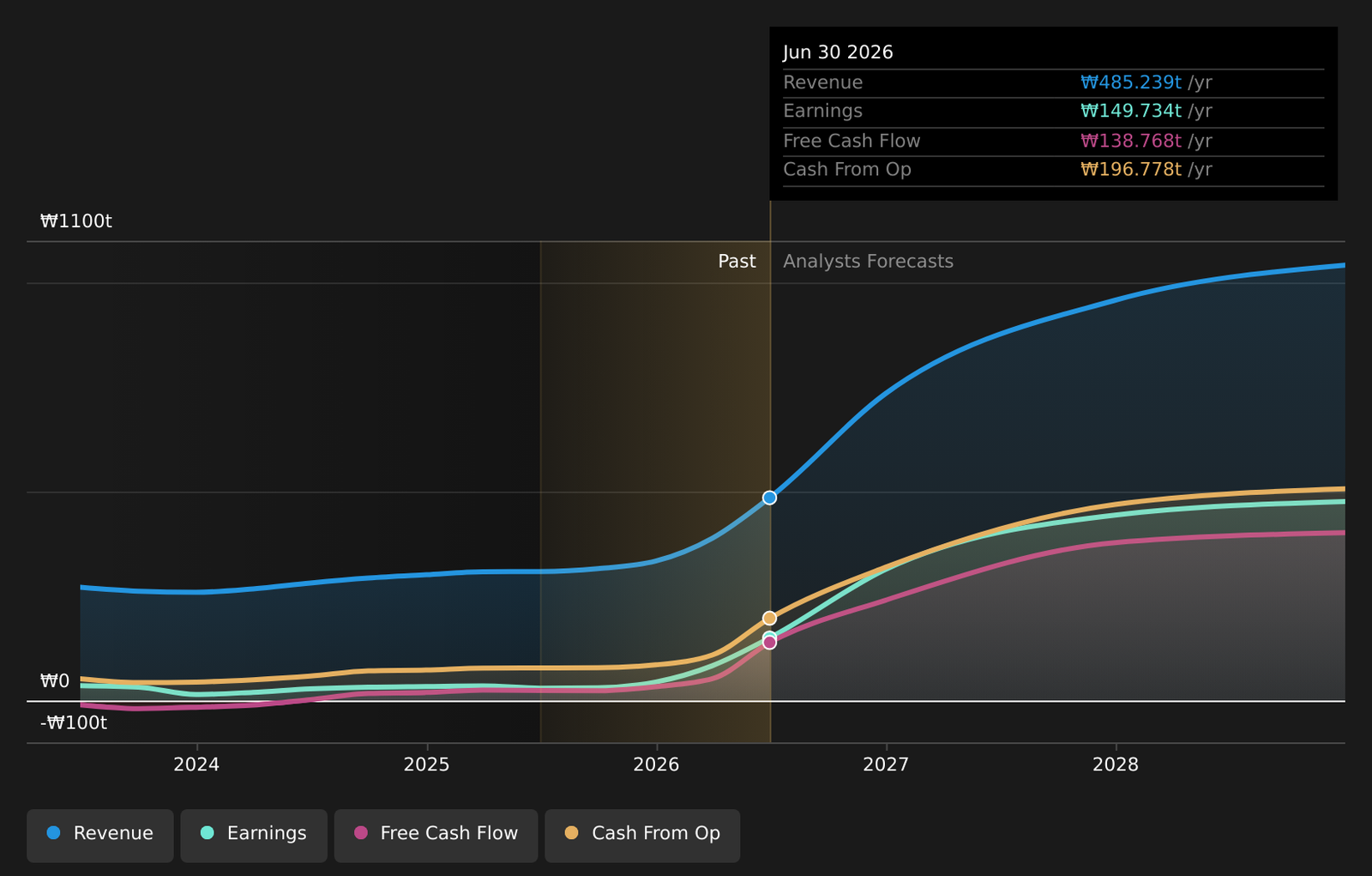
Why Samsung’s Netlist Deal is a Strategic Play for AI
Samsung Electronics has secured a five-year cross-licensing agreement with Netlist to resolve all ongoing litigation, granting the tech giant access to critical server DIMM and […]

General Dynamics Q2 2026: Revenue Hits $14.1B in Record Quarter
General Dynamics (NYSE: GD) reported a stellar second quarter on Wednesday, July 29, 2026, delivering earnings of $4.24 per diluted share on $14.1 billion in […]

Clover Health Soars: Q2 Profits Surge and Outlook Raised
Clover Health Investments (NASDAQ:CLOV) posted robust second-quarter 2026 results, characterized by significant Medicare Advantage membership growth and sustained profitability, prompting the company to raise its […]