

Super Micro Computer Inc. recently issued a cautionary business update, signaling that quarterly revenue may land at the lower end of its previously projected $11 […]

Pay Cuts for Stability: Why Workers Are Choosing Security
More than half of U.S. workers (54%) are now willing to accept a pay cut to guarantee job security, according to the Monster 2026 Job […]

Central Garden & Pet Q3 Results: Organic Growth and TRIXIE Deal
Central Garden & Pet (NASDAQ:CENT) reported an 8% decline in fiscal third-quarter net sales to $882 million, a shift primarily driven by the company’s exit […]

Dollar Rises as Markets Brace for Critical US Inflation Data
The U.S. dollar strengthened on Monday as oil prices surged, with global markets focused on Wednesday’s pivotal July consumer price inflation report following a disappointing […]

Google AI Exodus: Top Researchers Leave to Launch Startup
Four of Google’s most influential AI architects, including chief scientist Jeff Dean, have officially departed the company to launch a new venture called Discovery Loop. […]

Acadian Timber Q2 2026: Strategic Shifts and Growth Outlook
Acadian Timber Corp (ACAZF) reported its Q2 2026 financial results, highlighting a strategic pivot toward renewable energy leasing, operational efficiency in Maine, and a clear […]
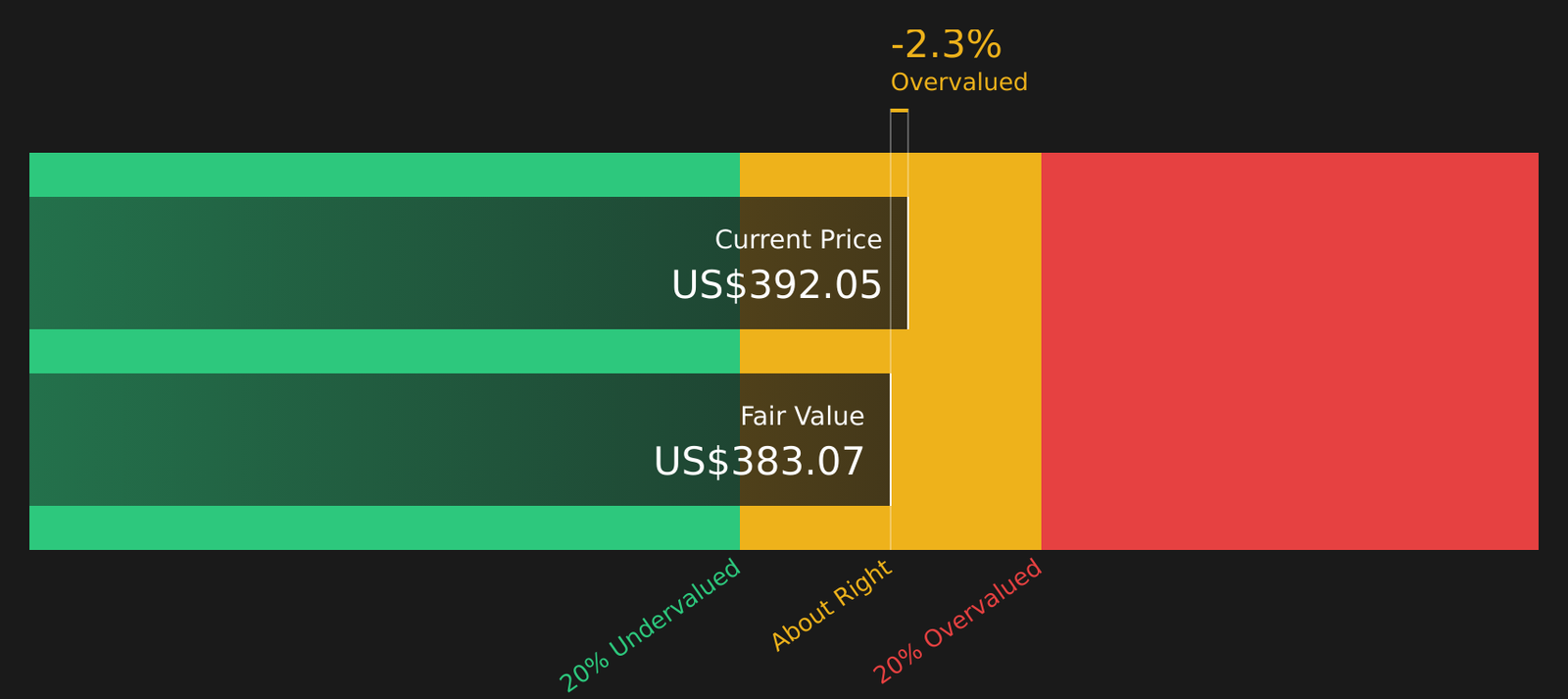
Is General Dynamics Undervalued After Q2 Earnings Beat?
General Dynamics (GD) reported strong Q2 2026 financial results, exceeding consensus expectations with revenue and earnings growth across all four business segments, anchored by a […]

BGSF Q2 Earnings: Revenue Dips Amid Property Sector Constraints
BGSF (NYSE:BGSF) reported $22.3 million in revenue for the second quarter of 2026, a 5.1% year-over-year decline, as property management firms tightened discretionary spending on […]

Aware Q2 2026 Earnings: Revenue Dips Amid Strategic Pivot
Aware (AWRE) reported its financial results for the second quarter of fiscal year 2026 on Wednesday, July 29, 2026, revealing a revenue of $3.3 million, […]

UMC Q2 2026: AI Surge Drives Revenue Growth and Fab Expansion
UMC (United Microelectronics Corporation) reported a strong financial performance for the second quarter of 2026, highlighted by a 12.6% sequential revenue increase to TWD 68.73 […]