Blog

  • CBRE Q2 2026 Earnings: EPS Soars 30% on Data Center Boom

    CBRE Q2 2026 Earnings: EPS Soars 30% on Data Center Boom

    CBRE Group (CBRE) reported a stellar second quarter on July 29, 2026, delivering a 30% surge in core EPS and a 16% increase in revenue. Driven by robust performance across its advisory, building operations, and infrastructure segments, the company has officially raised its full-year core EPS guidance to a range of $7.80 to $7.90.

    Infrastructure and Data Center Dominance

    The standout performer for the quarter was the company’s infrastructure services business, which saw revenue jump 45% to nearly $1.2 billion. Within this, data center services surged nearly 30%, surpassing $700 million in revenue. CEO Robert E. Sulentic highlighted that this growth is fueled by the ongoing AI investment cycle, with expectations for 25% annual revenue growth in the sector over the next five years.

    Leasing and Advisory Strength

    CBRE’s Advisory Services segment outperformed expectations, with total revenue rising 18%. Global leasing activity was a primary driver, growing 24% as office and industrial demand remained resilient. In the U.S., the company recorded its highest second-quarter office leasing revenue ever, supported by significant expansion in the legal and financial services sectors.

    Operational Efficiency and Project Management

    The Building Operations and Experience (BOE) segment saw a 68% spike in Critical Infrastructure Services, bolstered by the integration of Pearce Services. Meanwhile, the Project Management segment grew 19%, underpinned by strong demand for infrastructure projects in the UK, Europe, and the Middle East. Management noted that the Turner & Townsend acquisition continues to provide significant geographic and service-line advantages, particularly in U.S. infrastructure and energy projects.

    Financial Outlook and Capital Allocation

    CFO Emma E. Giamartino confirmed that CBRE is on track to achieve the high end of its 75% to 85% free cash flow conversion target. Year-to-date, the company has repurchased nearly $1 billion in shares, reflecting management’s view that the current stock price undervalues the company’s long-term growth prospects. Looking ahead to 2027, the company remains confident in delivering at least 15% core EPS growth, assuming stable macroeconomic conditions.

    Addressing Market Headwinds

    During the Q&A session, leadership addressed concerns regarding interest rate volatility and “NIMBYism” impacting data center development. While acknowledging these challenges, Sulentic emphasized that the massive demand for digital infrastructure necessitates continued expansion. He further noted that AI is not disintermediating their services but rather enhancing their ability to manage complex portfolios, predict maintenance needs, and optimize project lifecycles for major corporate clients.

  • PAR Technology Q2 Earnings: Revenue Soars 19% Amid AI Push

    PAR Technology Q2 Earnings: Revenue Soars 19% Amid AI Push

    PAR Technology (NYSE:PAR) outperformed fiscal 2026 second-quarter expectations, driven by a 19% year-over-year revenue surge to $133 million, robust subscription growth, and disciplined expense management. The company has officially raised its full-year revenue and adjusted EBITDA guidance, signaling confidence in an accelerated recurring revenue trajectory for the remainder of the year.

    Financial Performance and Subscription Momentum

    The company’s growth remains anchored in its subscription segment, which generated $83 million in revenue, a 16% increase. While PAR reported a net loss of $17 million ($0.41 per share), this is a notable improvement from the $21 million loss ($0.52 per share) recorded in the same period last year. On a non-GAAP basis, net income reached $7.5 million, or $0.18 per diluted share.

    Adjusted EBITDA hit $14.3 million, marking the sixth consecutive quarter of sequential growth. CFO Bryan Menar clarified that these results included a $1.3 million boost from a specific hardware initiative, placing normalized adjusted EBITDA at approximately $13 million.

    Expanding ARR and Operational Scale

    PAR ended the quarter with $338 million in annual recurring revenue (ARR), reflecting a 17% year-over-year increase. Management anticipates this growth will gain further momentum in the second half of 2026 as major deployments for Burger King and Papa Johns proceed alongside expansion in retail sectors.

    CEO Savneet Singh highlighted that new client engagements are increasingly multi-product, incorporating POS, loyalty, ordering, and payments. Recent wins include Guthrie’s Chicken, Sarku Japan, and Bad Ass Coffee. Additionally, the PAR OPS platform saw its most successful quarter yet, activating nearly 700 locations.

    Artificial Intelligence and Future Strategy

    AI remains the cornerstone of PAR’s long-term strategy. With roughly 20,000 live PAR Intelligence sites, the company plans to double that footprint to 50,000 sites by the end of fiscal 2026. Singh noted that 2026 serves as an “adoption year,” with significant monetization of premium AI features expected to materialize in 2027.

    The company’s retail division also saw strong progress, with the footprint expanding to 17,000 sites. Furthermore, the integration of Bridg—the data-intelligence firm acquired in March—is already yielding results, securing $1.3 million in committed ARR from two new customers.

    Hardware Surge and Operational Efficiency

    Hardware revenue jumped 31% to $35 million, the strongest performance in over a decade, fueled by refresh cycles and expanded customer partnerships. While hardware gross margins dipped to 20% due to supply-chain constraints and tariffs, management expects these figures to stabilize in the low 20% range.

    Efficiency gains were also evident in operating expenses, which fell 5% year over year. Non-GAAP operating expenses dropped to 38% of total revenue, down from 48% in the prior-year period. Supported by a healthy $77 million cash position and improved free cash flow of $3 million, PAR is positioning itself to lead the digital transformation of the hospitality and retail landscapes through integrated, cloud-native solutions.

  • Libya Threatens Force Majeure After Drone Strikes Hit Oil Hub

    Libya Threatens Force Majeure After Drone Strikes Hit Oil Hub

    Libya’s National Oil Corporation (NOC) is weighing a declaration of force majeure on exports from the Zawiya oil terminal following a series of precision drone strikes on the critical facility.

    Operational Impact on Zawiya and Sharara

    The Zawiya terminal serves as a vital export gateway with a daily capacity of 120,000 barrels. The facility is primarily supplied by the Sharara oil field—Libya’s largest—which boasts a production capacity of up to 300,000 barrels per day. Reuters reports that any formal declaration of force majeure would effectively halt these shipments, creating significant supply chain disruptions.

    Damage Assessment and Fuel Shortage Risks

    The recent drone strikes caused severe infrastructure damage, including the total destruction of a storage tank containing 4.5 million liters of gasoline, as well as strikes on an oil blending facility. These targeted attacks threaten to exacerbate existing local fuel shortages, further destabilizing the region’s energy supply.

    A Pattern of Persistent Sabotage

    This incident marks the third drone attack on the terminal in recent days. Over the weekend, a separate drone strike hit a naphtha tank at the Zawiya refinery, resulting in a leak that was successfully contained. While no group has claimed responsibility, Libya’s oil infrastructure remains a high-value target for factions vying for political leverage and control.

    Long-term Production Goals Amidst Conflict

    Despite the escalating security threats, the NOC maintains an ambitious roadmap to increase Libya’s national oil production from the current 1.4 million barrels per day to 2 million barrels daily by the early 2030s.

    This growth strategy is bolstered by a recent $2 billion injection from the state budget. NOC chief executive Masoud Suleman confirmed that these funds will serve as an essential operating budget, stating that the period of chronic funding delays—which previously hindered operations and strained partner relations—has officially ended.

    Revitalizing Industry Partnerships

    Beyond current security challenges, the NOC is actively pursuing international collaboration. Last month, the corporation and Austrian energy firm OMV declared the Essar oil discovery commercially viable. As Africa’s second-largest oil producer, Libya continues to prioritize these strategic partnerships with global majors to revitalize its domestic industry.

  • Inflation, Earnings & Retail Sales: 5 Market Moves to Watch

    Inflation, Earnings & Retail Sales: 5 Market Moves to Watch

    Investors are bracing for a high-stakes week as a flurry of critical economic data—led by Wednesday’s July CPI report at 8:30 am and Thursday’s PPI—sets the stage for potential shifts in Federal Reserve policy trajectory under Chair Kevin Warsh.

    Inflation Data Takes Center Stage

    Wednesday’s July CPI release is the week’s most pivotal economic event. Both headline and core readings will reveal whether energy-driven inflation, fueled by Middle East instability, is cooling or entrenched. Beyond volatile petroleum products, housing and services inflation will be scrutinized to gauge underlying price momentum. With the PPI following on Thursday, the market faces a dual-layer inflation assessment that will dictate bond market positioning and Fed rate-cut expectations. Strong data could complicate the case for monetary accommodation, while moderate figures may bolster arguments for easing if economic growth continues to soften.

    Earnings Momentum: Beyond Mega-Cap Tech

    Following a volatile earnings season where mega-cap tech results offered conflicting signals on AI infrastructure monetization, the market enters a transitional phase. While the pace of reporting is slowing, key companies will test the strength of specific sectors. Rocket Lab (RKLB) on Monday and Applied Materials (AMAT) on Thursday will serve as barometers for space technology and semiconductor equipment demand, respectively. Meanwhile, CrowdStrike (CRWV) on Tuesday and Cisco (CSCO) on Wednesday will provide essential insights into whether enterprise cybersecurity and networking spending remain resilient or are beginning to buckle under broader economic pressures.

    The Semiconductor Bellwether

    Applied Materials (AMAT) is set to deliver a critical verdict on Thursday regarding the sustainability of the AI infrastructure boom. As a leader in semiconductor equipment, AMAT’s commentary on wafer equipment orders and capacity utilization will act as a proxy for chipmaker confidence. If orders remain strong, the current technology valuations may find further justification; however, any signs of cooling demand would suggest that capital expenditure cycles are beginning to pivot, potentially casting a shadow over the tech sector heading into the fall.

    Enterprise Tech Resilience Test

    Tuesday and Wednesday will focus on the durability of corporate IT budgets. CrowdStrike (CRWV) will face questions on whether cybersecurity spending remains “non-discretionary,” while Cisco (CSCO) will offer a look at data center and enterprise infrastructure health. These results are vital: infrastructure spending often serves as a leading indicator for broader corporate budget tightening. Investors will be watching for signs of strength that could provide a defensive floor for the market if economic conditions deteriorate.

    Retail Sales and Geopolitical Energy Risks

    The week concludes with Friday’s July retail sales at 8:30 am, a vital indicator of consumer health. This data will be cross-referenced with previous employment and inflation reports to determine if the U.S. consumer is pulling back or maintaining resilience. Simultaneously, energy markets remain on edge. Wednesday’s crude oil inventory report at 10:30 am will be closely monitored, as ongoing Middle East tensions threaten the stability of the Strait of Hormuz. Any energy price spikes would act as a direct tax on the economy, complicating the Fed’s ability to navigate a soft landing and influencing treasury auctions later in the week.

  • Blend Labs Q2 Results: Profitability Rises Amid AI Push

    Blend Labs Q2 Results: Profitability Rises Amid AI Push

    Blend Labs (NYSE:BLND) reported second-quarter revenue near the top end of its guidance and surpassed non-GAAP operating income expectations, even as the company navigates ongoing mortgage market headwinds and accelerates the commercialization of its “Autopilot” AI platform.

    Financial Performance and Revenue Streams

    Total revenue for the quarter reached $33.8 million, marking a 7% year-over-year increase. The company outperformed its profitability targets, reporting $7 million in non-GAAP operating income against a projected range of $5.5 million to $6.5 million. Blend maintains a strong balance sheet with $44.9 million in cash and marketable securities, carrying zero debt.

    The Mortgage Suite remained a primary driver, with revenue rising 7% to $19.2 million. Funded mortgage loans on the platform grew 14% to roughly 233,000. While the economic value per funded loan dipped to $79 from $83 in Q1, finance head Jason Ream clarified that this decline is a mathematical byproduct of higher volumes under fixed-fee arrangements.

    The Consumer Banking Suite contributed $12.2 million in revenue—a 6% annual increase—while Professional Services added $2.4 million. Non-GAAP gross margins improved to 78.3%, up from 76.1% in the prior-year period.

    Autopilot: The AI Strategy

    Blend officially launched its AI-driven agent platform, Autopilot, on July 1. During a four-month preview phase, more than 65 lenders processed over 45,000 loans through the system. Early data indicates a 10% to 15% improvement in pull-through rates, cycle-time reductions of up to four days, and the automation of roughly 4.5 hours of fulfillment work per loan.

    The company is currently utilizing flat-fee, one-year contracts for Autopilot, with plans to transition toward a per-funded-loan model that aligns revenue with client success. Co-founder Nima Ghamsari emphasized that Blend’s deep integration into loan infrastructure and compliance frameworks sets its AI apart from generic market offerings.

    Operational Efficiency and Market Outlook

    Internally, the company is deploying its “Blend 3.0” agentic-first model to streamline operations. Engineering throughput, measured by pull requests, has increased 3.6 times since January without significant headcount growth. AI agents are now handling support ticket reviews, drafting responses, and assisting in financial close processes.

    Despite these gains, management remains cautious regarding the macroeconomic environment. With mortgage rates hovering around 6.8%, refinance activity remains suppressed. Consequently, Blend’s outlook remains conservative, factoring in a “higher-for-longer” interest rate environment.

    Growth Pipeline and Future Focus

    During the quarter, Blend secured 14 new deals and expansions, including a major credit union adopting both its core platform and Autopilot. The company’s late-stage pipeline—deals targeted for the next quarter—grew nearly 40% between March and June.

    While the company noted a slight increase in churn as some clients move to lower-cost, basic point solutions, leadership views this impact as manageable. Management advises investors to monitor customer deployment velocity and product adoption as key indicators for growth acceleration heading into 2027.

  • ConocoPhillips Names Andy O’Brien CEO as Ryan Lance Retires

    ConocoPhillips Names Andy O’Brien CEO as Ryan Lance Retires

    ConocoPhillips has officially appointed Andy O’Brien as its new president and chief executive officer, effective September 1, signaling a major leadership transition for the global energy giant as long-time CEO Ryan Lance prepares to step down.

    A Strategic Succession at the Top

    O’Brien, who currently serves as the company’s chief financial officer and executive vice president of Strategy and Commercial, will assume the CEO role and join the ConocoPhillips board of directors. Ryan Lance, who has led the company for 14 years, will retire as CEO but continue his involvement with the firm as executive chairman to ensure a smooth transition of leadership.

    The End of an Era

    Lance’s departure marks the close of a 42-year career with ConocoPhillips and its predecessors. He took the reins as CEO in 2012, a pivotal year that saw the company finalize the separation of its refining and downstream assets into Phillips 66. Since that restructuring, ConocoPhillips has successfully focused its operations as a pure-play upstream producer, maintaining a robust presence in the Lower 48, Alaska, and various international markets.

    Continuity in Corporate Strategy

    O’Brien’s history with the organization dates back to 1997, with extensive experience across finance, planning, and strategy. Since joining the executive leadership team in 2022, he has managed critical segments including international and Alaska operations, LNG, corporate strategy, investor relations, and mergers and acquisitions. His appointment indicates an internal succession plan aimed at maintaining the company’s current trajectory rather than a pivot in strategy. O’Brien has confirmed that his primary focus will be to build upon the existing portfolio and proven operating model.

    Leadership Shifts and Future Outlook

    In tandem with the CEO transition, the company is promoting Konnie Haynes-Welsh to senior vice president and chief financial officer. Haynes-Welsh, who currently serves as vice president of Finance and Controller, has been with ConocoPhillips since 2012, previously holding roles in corporate strategy, compliance, and the Lower 48 division.

    This management reshuffle follows a period of aggressive portfolio growth for ConocoPhillips, characterized by strategic acquisitions and asset transactions designed to bolster its footprint in key U.S. shale basins and core producing regions. With Lance remaining as executive chairman, the company aims to provide O’Brien with board-level continuity as he takes full responsibility for global upstream operations.

  • Asian Stocks Rally as Fed Rate Hike Bets Cool Before CPI

    Asian Stocks Rally as Fed Rate Hike Bets Cool Before CPI

    Asian markets trended upward this Monday, buoyed by a significant cooling in market expectations for a September US interest rate hike, as investors look toward Wednesday’s critical inflation report to sustain the current global rally.

    Market Momentum and the September Fed Outlook

    Japan’s Nikkei and South Korea’s KOSPI recorded marginal gains to start the week, while the MSCI Asia-Pacific index also climbed. This positive sentiment mirrors Wall Street’s performance from Friday, which saw the S&P 500 achieve a new record high.

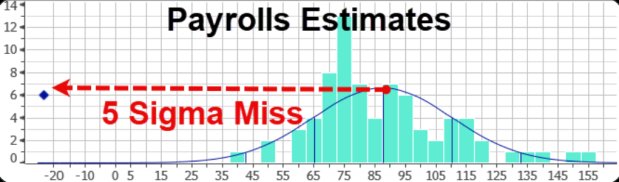
    The primary catalyst for this shift is the recalibration of Federal Reserve expectations. Futures markets now indicate a 44% probability of a September rate hike, a notable decline from the 67% chance seen just one week ago. This shift followed a softer-than-expected US jobs report, which suppressed Treasury yields and revitalized global risk appetite.

    The CPI Deadline: What Analysts Are Watching

    All eyes are now on Wednesday’s Consumer Price Index (CPI) report for July. Analysts anticipate a 0.1% increase in headline inflation, with core inflation—excluding volatile food and energy prices—expected to rise by 0.2%.

    JPMorgan chief US economist Michael Feroli noted that while a core CPI print of 0.22% likely won’t trigger a September hike, consistent readings near 0.3% could force the Fed’s hand. Feroli specifically highlighted a potential rebound in core goods prices as a key factor to monitor.

    Crypto and Global Risk Sensitivity

    The stakes for Wednesday’s data are particularly high for cryptocurrency markets, where Bitcoin and other digital assets remain sensitive to shifts in interest rate expectations. With hike probabilities having previously reached 66% earlier this year before retreating, Wednesday’s data could trigger significant volatility in risk-on assets.

    Oil Prices and Inflationary Pressures

    A complicating factor for the inflation outlook is the recent rise in oil prices. Brent crude increased by 0.9% to $84.32 a barrel, while US crude rose 0.7% to $78.74. This follows reports from Iran regarding shipping lanes through the Strait of Hormuz, a vital global oil chokepoint where traffic remains minimal.

    Because sustained oil price pressure directly impacts headline inflation, a “hot” CPI print on Wednesday could quickly reignite speculation regarding further rate hikes, potentially stalling the current market rally.

    Currency Shifts and Earnings Performance

    As rate hike fears subside, the US dollar has weakened, pushing the euro toward a seven-week high of $1.1557. Gold remains stable at $4,342 an ounce after a strong 7% gain last week.

    Despite the macro uncertainty, the corporate backdrop remains robust. With nearly 90% of S&P 500 companies having reported earnings, Bank of America data reveals a 30% year-on-year increase in earnings per share. Notably, AI-related stocks have significantly outperformed, posting median growth of 28% compared to 12% for the remainder of the index. Whether this momentum persists now depends entirely on Wednesday’s economic data.

  • VICI Properties Q2 2026: Growth, Club Med, and Vegas Outlook

    VICI Properties Q2 2026: Growth, Club Med, and Vegas Outlook

    VICI Properties executives detailed their strategic growth, financial results, and positive outlook for the Las Vegas market during the company’s second-quarter 2026 earnings conference call held on July 30, 2026.

    Building Relationships: The Club Med Partnership

    CEO Edward Pitoniak emphasized that VICI’s growth strategy centers on cultivating deep relationships rather than simple transactional sales. A primary example of this approach is the company’s new partnership with Club Med, which involves a $75 million investment in the Carambola Beach Resort in St. Croix.

    According to Pitoniak, the connection was forged through a long-term relationship with an existing industry partner who facilitated the introduction. The investment marks VICI’s first build-to-suit project and its initial entry into the Caribbean market. President and COO John Payne added that the redevelopment is expected to open in the fourth quarter of 2027 under Club Med’s premium Exclusive Collection brand.

    Expanding the Tenant Roster

    During the second quarter, VICI successfully finalized several major transactions, expanding its portfolio to 16 tenants. Notable completions include the $1.16 billion Golden Entertainment sale-leaseback, the commencement of a new lease with Clairvest at Northfield Park, and the acquisition of Gamehost real estate in Alberta for approximately C$200 million.

    Payne highlighted the company’s focus on partnering with experienced, long-term operators. “We aim to make VICI bigger only when it makes VICI better,” Payne noted, citing the addition of Clairvest, Golden Entertainment, and Club Med as strategic moves that strengthen the company’s market position.

    Las Vegas Resilience and Market Trends

    The company remains highly optimistic regarding the Las Vegas market. VICI leadership pointed to rising gaming revenues, strong room rates, and the city’s continued evolution into a global entertainment and convention hub. The addition of professional sports franchises and the success of the convention sector—bolstered by nearly 6 million square feet of space owned by VICI on the Strip—serve as key demand drivers that reinforce the market’s stability.

    Financial Performance and 2026 Guidance

    CFO David Kieske reported an AFFO per share of $0.62 for the quarter, reflecting a 4.6% increase over the same period in 2025. The company maintains a strong balance sheet with $2.5 billion in total liquidity. VICI has raised its full-year 2026 AFFO guidance, now expecting between $2.45 and $2.47 per diluted common share, representing a 3.4% year-over-year growth at the midpoint.

    Strategic Insights and Q&A

    During the Q&A session, executives addressed several key topics:

    • Regional Gaming: Management noted that regional markets are showing impressive resilience, driven by innovation in slot products and improved operator strategies.
    • Private vs. Public Operators: Leadership suggested that private ownership can be beneficial for the gaming industry, as it allows operators to focus on long-term capital investments without the pressure of quarterly public reporting cycles.
    • Sports Infrastructure: While VICI continues to educate universities on potential sports infrastructure financing, the company remains patient, ensuring any entry into this space aligns with its long-term investment criteria.
    • Portfolio Management: Gabe Wasserman, Managing Director of Business Development, clarified that the company does not maintain a “watch list,” as they conduct quarterly reviews of every lease and loan in the portfolio to ensure transparency and performance.

    The call concluded with management reiterating their confidence in the company’s active asset management approach and their commitment to identifying accretive investment opportunities that provide long-term value for shareholders.

  • Nexus Select Trust Q1 FY27: 17% Sales Surge Leads Growth

    Nexus Select Trust Q1 FY27: 17% Sales Surge Leads Growth

    Nexus Select Trust (BOM:543913) kicked off Q1 FY27 with a robust 17% growth in tenant sales, driven by a strategic blend of footfall increases and strong trading density, as revealed during the company’s latest earnings call.

    Drivers of Consumption and Rental Growth

    CEO Dalip Sehgal detailed that the 17% consumption growth was underpinned by a 5% rise in footfall, while underlying value growth accounted for 12-14%. Looking ahead, the company maintains a sustainable 9-10% Net Operating Income (NOI) growth algorithm. This is supported by 5% annual contracted increases, 2% from mark-to-market renewals, and additional contributions from revenue shares and non-retail assets like hotels and offices.

    Category Performance and Portfolio Dynamics

    When excluding jewelry, consumption growth stood at 14%, and further excluding electronics brought the figure to 11-12%. Pratik Dantara, Chief Investor Relations Officer, noted that this double-digit momentum has persisted into July.

    The contribution by category remains diverse:

    • Fashion: Remains the primary driver, accounting for ~50% of sales.
    • Electronics: Up 24%, representing ~16% of sales.
    • Jewelry: Notable growth exceeding 50%, contributing ~7%.
    • Entertainment: Grew 16%, making up ~6% of sales.
    • F&B: Contributes ~10% to the total.

    Hypermarkets, meanwhile, are being strategically reduced within the portfolio, showing flat or low single-digit performance.

    Regional Success and Expansion Plans

    The Northern portfolio emerged as a standout performer, with Select City recording growth exceeding 20%. Regional malls in Amritsar and Udaipur also outperformed the portfolio average. Regarding expansion, the company’s eight-asset pipeline remains active. The acquisition of Diamond Plaza in Kolkata is slated to close within 30 days, with one or two additional eastern India acquisitions expected to be signed within the next 60-90 days.

    Financial Outlook and Distribution Guidance

    While consumption trends remain strong, management is maintaining current full-year guidance, opting to wait for Q2 results before considering any revisions. Despite the gap between the 17% consumption growth and 10% retail NOI growth, leadership remains optimistic. Dantara explained that this variance stems from the onboarding of premium brands—which currently operate on lower revenue share arrangements—and a leasing philosophy that allows retailers room to grow before capturing higher rental shares.

    Current distribution guidance for FY27 remains steady at INR 9.5-10 per unit. As the company continues to target a revenue share ratio of 13-14% through strategic lease renewals, management expects the gap between consumption and NOI growth to narrow over time.

  • Johnson Controls Q3 2026: AI Surge Fuels Record Backlog

    Johnson Controls Q3 2026: AI Surge Fuels Record Backlog

    Johnson Controls (JCI) reported a robust third quarter for fiscal 2026 on Wednesday, July 29, 2026, driven by record-breaking demand for thermal management solutions in AI infrastructure. The company achieved a 10% revenue increase and a record $21 billion backlog, prompting an upward revision of its full-year guidance.

    Driving Growth in the “Age of Thermal Management”

    CEO Joakim Weidemanis emphasized that Johnson Controls is capitalizing on the massive infrastructure requirements of AI factories and biopharma manufacturing. The company’s focus on high-performance cooling is a strategic response to the power constraints facing modern data centers.

    A key milestone this quarter was the introduction of the AI factory absorption chiller reference design guide. This technology allows facilities to convert waste heat into productive cooling, potentially reducing electrical demand by 44%. By optimizing existing power infrastructure, Johnson Controls is positioning itself as an essential partner for next-generation AI facilities.

    Operational Efficiency and Strategic Execution

    The company’s performance is underpinned by its proprietary business system, which focuses on speed, innovation, and manufacturing excellence. During the recent “Going to Gemba Day,” leadership showcased how this methodology enabled the team to quadruple capacity on specific computer room air handler lines without significant capital investment.

    These operational improvements have resulted in:

    • 100% on-time delivery rates.
    • A 50% reduction in customer lead times.
    • A 50% decrease in inventory levels.

    Financial Highlights and Regional Performance

    CFO Marc Vandiepenbeeck detailed the strong financial results, noting that adjusted EPS grew 35% year-over-year to $1.42. The Americas region led the charge with a 37% surge in orders, primarily fueled by massive investments in data centers and mission-critical environments.

    Key financial metrics for the quarter include:

    • Revenue Growth: 10% organic increase.
    • Adjusted EBIT Margin: Expanded 260 basis points to 17%.
    • Free Cash Flow: Year-to-date total reached $2.1 billion.

    Updated Fiscal 2026 Guidance

    Buoyed by a record backlog and healthy demand, JCI has raised its full-year outlook. The company now expects organic revenue growth of approximately 8%, up from the previous 6% forecast. Adjusted EPS guidance has been increased to $5.05, representing roughly 35% growth compared to the start of the year.

    Addressing Supply Chain and Market Competition

    Addressing potential concerns regarding supply chain resilience in a high-growth environment, Weidemanis highlighted the company’s vertical integration. By controlling the manufacturing of core subsystems within their HVAC chillers, Johnson Controls maintains greater stability than competitors who rely more heavily on external suppliers.

    When asked about market share in the hyperscale data center space, Weidemanis noted that JCI’s deep collaboration with customer engineering teams during the design phase is a primary competitive advantage. By being “designed in” early, the company secures its position as a critical partner for future facility rollouts.

    Future Outlook: Decentralization and Innovation

    Looking toward fiscal 2027 and beyond, the company remains optimistic about the sustainability of AI-driven demand. The strategy involves not only mega-data centers but also “edge” computing solutions, such as the modular data centers developed in collaboration with Armada. As liquid cooling becomes the standard, JCI is ramping up production of Coolant Distribution Units (CDUs), with shipments beginning this quarter and a pipeline already exceeding $1 billion.

    The firm continues to focus on “surgical” expansion—whether through internal innovation or targeted inorganic moves—to enhance its value proposition in thermal and electrical management, ensuring that its growth trajectory remains accretive for shareholders.