
Categoria: economy

  • Stock Futures Rise as U.S.-Iran Deal Hopes Ease Oil Fears

    Stock Futures Rise as U.S.-Iran Deal Hopes Ease Oil Fears

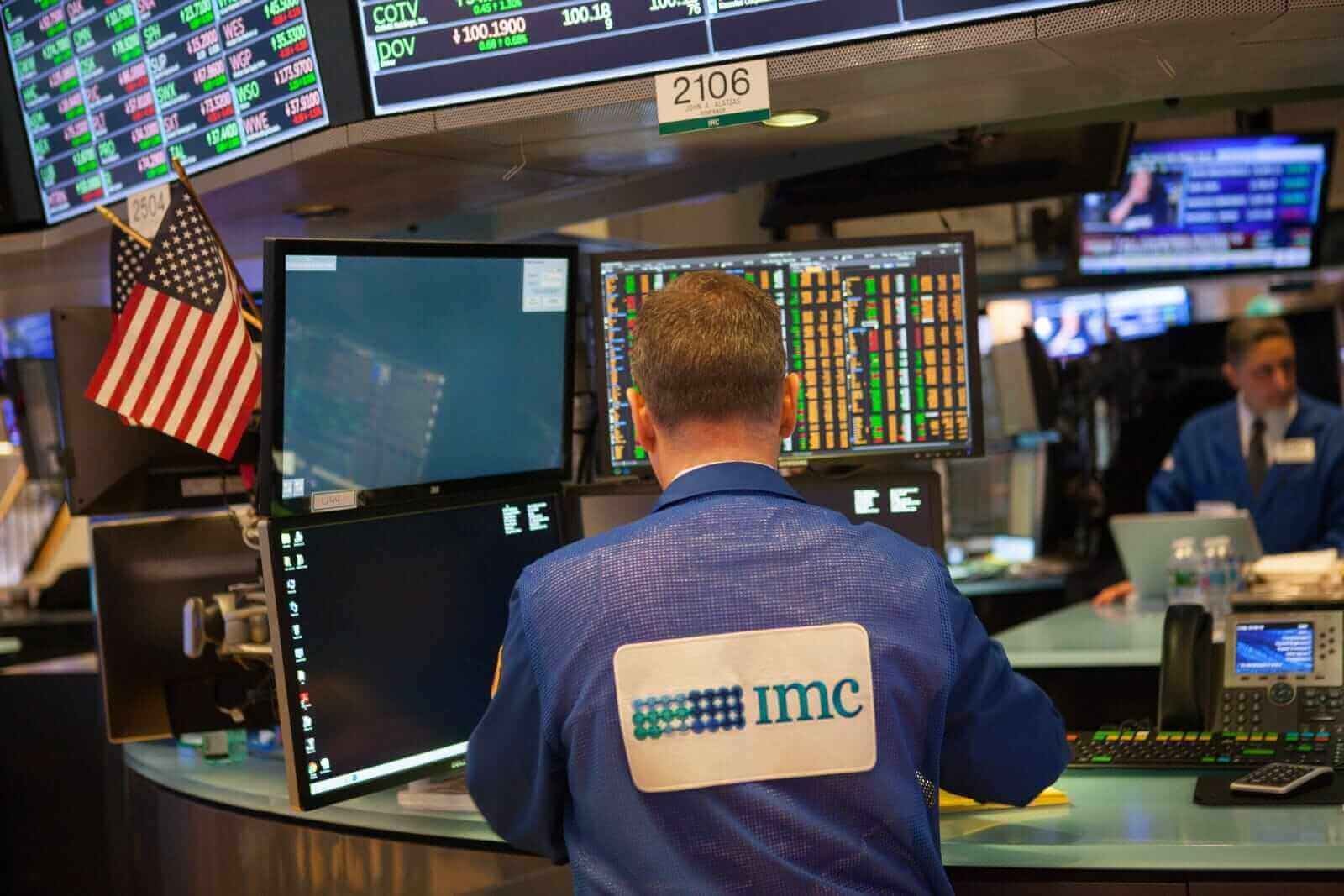
    U.S. stock index futures climbed this Tuesday as market sentiment improved on reports that the U.S. and Iran are nearing a diplomatic arrangement, effectively cooling oil prices. S&P 500 E-Mini futures (ESU26) gained +0.19%, while Nasdaq 100 E-Mini futures (NQU26) rose +0.31% in early trading.

    Diplomatic Hopes Stabilize Energy Markets

    The shift in market tone followed remarks from Pakistan’s defense minister, Khawaja Asif, who indicated that recent signals suggest both nations are close to a deal. This development helped stabilize WTI crude prices, which had previously surged over +2% after President Donald Trump issued new, aggressive demands regarding reparations for historical conflicts and casualties involving Iran.

    Wall Street’s Mixed Performance and Sector Shifts

    The rally follows a challenging session on Wall Street where major indexes closed lower. The tech sector faced significant pressure, with Arm Holdings (ARM) and Marvel Technology (MRVL) sliding -5% and -4%, respectively. Optical-networking stocks also struggled, as Coherent (COHR) plummeted over -14% and Lumentum Holdings (LITE) fell more than -8%. Nvidia (NVDA) dipped over -2% amid news of a potential $500 billion AI infrastructure funding partnership involving major U.S. investment firms. Conversely, energy stocks like APA Corp. (APA) and Marathon Petroleum (MPC) saw sharp gains, rising +9% and +7% respectively on the back of higher oil prices.

    The Fed’s Stance and Economic Outlook

    Cleveland Fed President Beth Hammack signaled on Monday that multiple interest rate hikes may be necessary to hit the 2% inflation target, noting that current rates are not yet “meaningfully restricting” the economy. Market participants are currently pricing in a 51.9% probability of a 25-basis-point rate hike at the upcoming policy meeting. Investors are now shifting their focus toward the National Association of Realtors’ existing home sales report, with expectations set for 4.05 million units in July, and Wednesday’s crucial consumer inflation report, which could dictate the Federal Reserve’s future trajectory.

    Global Markets and Corporate Movers

    In Europe, the Euro Stoxx 50 Index remained largely flat as traders weighed fuel cost concerns against gains in the energy and tech sectors. Meanwhile, in pre-market activity, Riot Platforms (RIOT) surged more than +16% following a 20-year deal to supply power to an AI firm, reportedly Anthropic. Conversely, Upwork (UPWK) dropped over -19% after slashing its full-year guidance, and Hims & Hers Health (HIMS) fell more than -4% following wider-than-expected quarterly losses.

    Upcoming Earnings Spotlight

    Investors remain focused on a busy earnings calendar today, featuring reports from key players such as Super Micro Computer (SMCI), Lumentum Holdings (LITE), CoreWeave (CRWV), CAVA Group (CAVA), and H&R Block (HRB), among many others.

  • Why the Real Energy Crisis Is Hiding in Refineries

    Why the Real Energy Crisis Is Hiding in Refineries

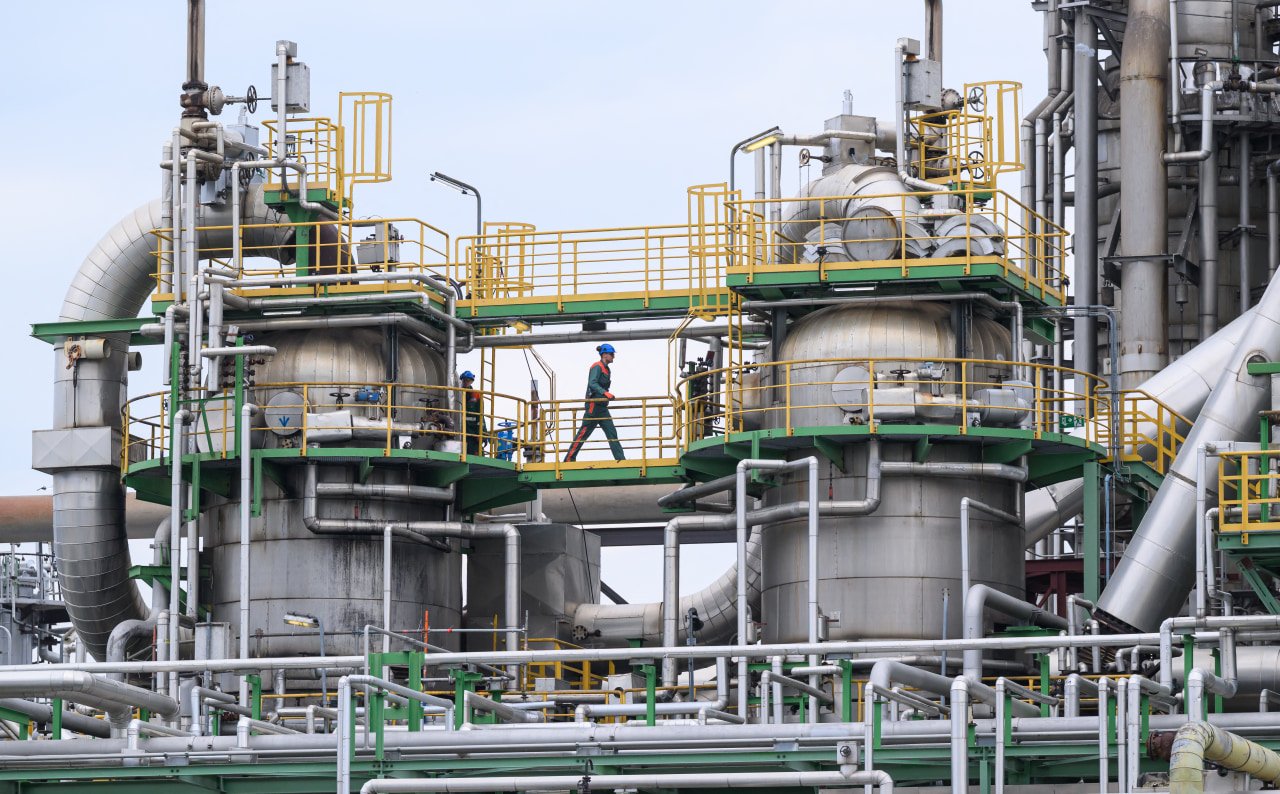
    Geopolitical instability and supply chain bottlenecks are currently throttling global refinery capacity, causing a massive surge in fuel prices as the world struggles to convert crude oil into essential products. While crude headlines dominate the news, the true bottleneck lies downstream, where a convergence of war, infrastructure attacks, and export restrictions has stripped millions of barrels of refined fuel from the global market.

    The Surge in Refining Margins

    The widening gap between the cost of crude oil and the market value of finished fuels—known as refining margins—has reached historic highs. Sumit Ritolia, lead analyst for refining supply and modeling at Kpler, notes that every additional barrel of refined product has become significantly more valuable than a barrel of crude, a trend showing no signs of cooling as repairs to Gulf facilities remain months away.

    For the average consumer, this translates to painful figures at the pump. U.S. gasoline prices have climbed past $4 per gallon, a sharp increase from $3.16 a year ago. Industry benchmarks, such as the U.S. 3-2-1 crack spread, have skyrocketed above $70, far exceeding the typical historical range in the teens.

    Global Trade Reshuffle

    Despite the near-closure of the Strait of Hormuz and ongoing conflict, refiners have maintained operations by tapping into strategic reserves and drastically rerouting trade flows. Asian markets have pivoted toward Atlantic Basin supplies, while Middle Eastern shipments are now arriving via longer, costlier routes, including ship-to-ship transfers and detours around southern Africa.

    Domestic production in the U.S., bolstered by imports from Canada and Latin America, has kept American refineries sufficiently supplied. Similarly, European refiners have diversified their intake, sourcing crude from the U.S., Kazakhstan, and the North Sea to replace lost Middle Eastern volumes. Juan Carlos Ramirez of Repsol highlights that shifting competition from Southeast Asian buyers has forced companies to hunt for cheaper North American and Mediterranean alternatives to maintain efficiency.

    Operational Limits and Infrastructure Strain

    The global refining sector is currently operating near its physical limits. Following years of plant closures in the U.S. and Europe—driven by high operating costs and a transition toward low-carbon energy—there is minimal spare capacity left in the system. With many facilities running at 90-95% utilization, the industry lacks the flexibility to absorb even minor outages, which now threaten to trigger disproportionate supply shocks.

    Constraints in Russia and China

    The supply crunch is further exacerbated by the policies and vulnerabilities of major exporters. Russian refinery output has plummeted to a two-decade low due to persistent Ukrainian drone strikes, forcing Moscow to implement a temporary diesel export ban that has tightened European markets.

    Meanwhile, China continues to prioritize domestic energy security. Government-imposed export quotas have limited the flow of gasoline and jet fuel to international markets. According to Alan Gelder, vice president of refining and chemicals at Wood Mackenzie, this policy forces other Asian refiners to work harder to fill the void, further inflating global margins.

    As the industry heads toward seasonal maintenance in September, analysts expect the market to remain tight, ensuring that high refining margins persist for the remainder of the year.

  • Oil Prices and Bond Yields Spike Amid US-Iran Standoff

    Oil Prices and Bond Yields Spike Amid US-Iran Standoff

    Crude oil prices and US Treasury yields surged on Tuesday as markets reacted to a deepening diplomatic impasse, with the US and Iran exchanging aggressive demands for financial reparations that have effectively sidelined potential peace negotiations.

    Escalating Demands Stymie Diplomatic Progress

    President Trump signaled a hardened stance on Monday, instructing negotiators to demand compensation from Tehran for casualties linked to Iranian-backed attacks spanning decades. This includes the 2000 bombing of the USS Cole and subsequent protest crackdowns. Expanding his position on Truth Social, the President further insisted that Iran must provide restitution for “damages and death” inflicted upon the populations of Lebanon, Syria, Yemen, and Gaza.

    Tehran, currently seeking its own compensation for five months of US and Israeli military action, has countered with a firm ultimatum: the Strait of Hormuz will remain closed until Washington lifts its naval blockade, removes economic sanctions, and releases frozen Iranian assets.

    Market Reaction: Inflation Fears Drive Yields Higher

    The geopolitical friction has sent shockwaves through global markets. Brent crude climbed to approximately $89.8 per barrel, while West Texas Intermediate (WTI) rose to $84.2—an increase of roughly 2.5%. Simultaneously, the US bond market experienced a sell-off, pushing yields to their highest levels this year: the two-year note surpassed 4.25%, the ten-year rose above 4.7%, and the thirty-year climbed beyond 5.27%.

    Investors are offloading government debt, anticipating that rising oil prices will exacerbate inflation, thereby increasing the likelihood of further Federal Reserve interest rate hikes. Financial markets now estimate a 50/50 chance of a rate increase in September, with investors closely watching Wednesday’s upcoming inflation data.

    The Strategy of Economic Attrition

    The current stagnation in US-Iran talks appears to be a calculated maneuver by the Trump administration. In an interview with Axios published Sunday, the President noted that the US is “low-keying” the situation, opting to allow Iran’s internal economic turmoil—characterized by high inflation and depleted coffers—to apply pressure rather than pursuing immediate military intervention.

    Discrepancies in Regional Control

    Despite the administration’s confident rhetoric, the reality on the ground remains complex. During a Monday briefing in the Oval Office, President Trump claimed full control over the Strait of Hormuz, asserting that the US Navy has successfully cleared Iranian mines and maintains an impenetrable blockade of Iranian ports.

    However, shipping data contradicts these assertions. According to Kpler, vessel traffic through the region has plummeted to just 6 to 11 crossings per day, a sharp decline from the 130 to 140 daily crossings recorded prior to the conflict. This confirms that maritime traffic remains at only a fraction of its normal capacity five months into the standoff.

  • Climate Crisis Threatens Italy’s $4.7B Cheese Bank Vaults

    Climate Crisis Threatens Italy’s $4.7B Cheese Bank Vaults

    Extreme heat waves are jeopardizing Italy’s unique “cheese banking” system, where financial institutions hold millions of dollars in Parmigiano Reggiano wheels as loan collateral, as climate change destabilizes the country’s dairy, wine, and olive oil production sectors.

    The High-Stakes Vaults of Emilia-Romagna

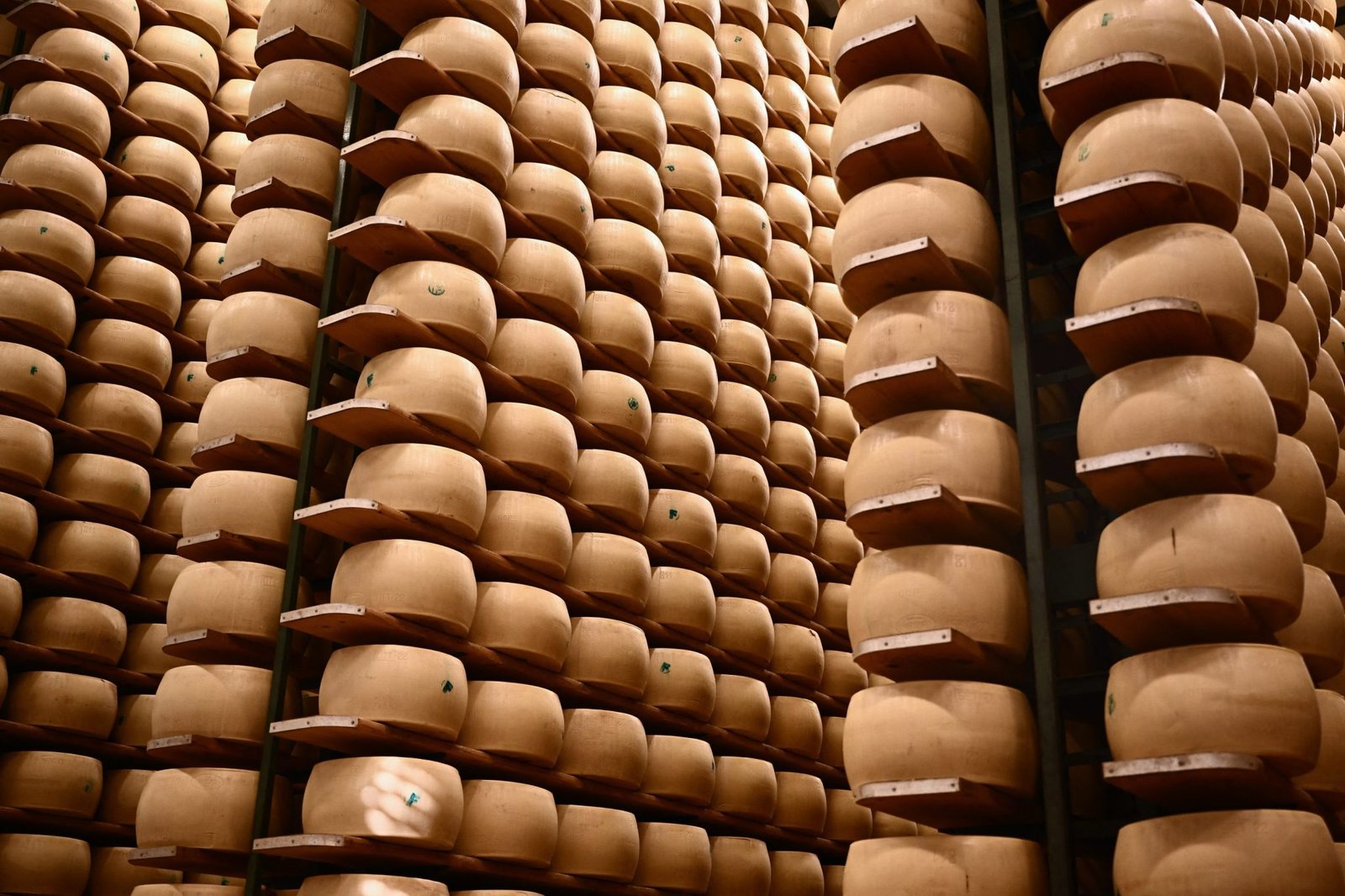
    Deep in the hills of Emilia-Romagna, the bank Credito Emiliano (Credem) maintains a vault containing over half-a-million wheels of Parmigiano Reggiano, an asset hoard valued at more than 300 million euros. Since 1953, Credem has operated as a specialized lender, accepting young cheese wheels as collateral to provide liquidity to local dairy farms.

    The financial model is sophisticated: a bank subsidiary, Magazzini Generali delle Tagliate, manages the aging process in warehouses across Reggio Emilia and Modena. Producers typically receive 60% to 80% of the cheese’s value upfront. Today, blockchain technology has modernized the process, allowing farmers to pledge cheese while it remains in their own facilities, effectively doubling the bank’s lending capacity. This provides a vital lifeline for small family farms that cannot afford to wait 12 to 36 months for a product to mature before generating cash.

    Energy Costs and the Climate Toll on Production

    The scale of this operation is massive, with Credem’s warehouses handling approximately 2.3 million wheels annually. However, keeping this $4.7 billion industry at the correct temperature has become increasingly expensive. Record-breaking heat waves across Europe this year have driven daily energy consumption up by 30%, forcing the bank to invest heavily in advanced cooling systems, enhanced insulation, and renewable energy upgrades.

    The heat is also impacting the raw material itself. As temperatures rise, dairy cows consume less feed and spend more time resting, leading to a 10% annual drop in milk production. These intense heat events diminish both the quantity and quality of the milk, creating a ripple effect of rising costs that threatens the entire supply chain.

    A Broader Economic Crisis in Italy’s Fields

    The climate pressure is not limited to dairy. Italy’s viticulture industry is facing its earliest harvest on record. In the Franciacorta sparkling-wine region, the 2026 harvest began on July 30, following an unusually early budbreak. Across Sicily, growers are managing a grueling 100-day picking season to avoid the worst of the heat.

    According to Coldiretti, Italy’s largest farmers’ association, the combination of drought and high temperatures is causing sugar levels in grapes to spike before flavor profiles can fully develop. This is particularly devastating for late-ripening varieties like the Nebbiolo grape. To combat this, some producers are deploying shade netting—originally designed to protect against hail—to prevent the sun from stripping acidity from the grapes.

    Meanwhile, the olive oil industry faces a production collapse. In Puglia and Calabria, the two largest producing regions, seasonal output has plummeted from a historical average of 350,000 tons to between 270,000 and 300,000 tons for the 2025/26 season.

    The Hidden Economic Impact of Extreme Heat

    R. Jisung Park, a labor economist at the University of Pennsylvania’s Wharton School, notes that these disruptions align with research linking rising temperatures to lost economic output. While European Central Bank data suggests Italy and Spain may be more resilient to heat than northern neighbors, Park warns that top-line figures often mask deep structural damage.

    “Supply-chain spillovers due to heat upstream actually lead to measurable downstream firm valuation impacts,” Park explains. The economic toll often manifests in indirect, delayed effects—such as a heat shock to dairy cows surfacing as a financial burden for a bank months later—which leads many corporations and governments to consistently underprice the true risks of climate change.

    Historical Parallels: From the New Deal to Modern Banking

    The concept of protecting farmers from uncontrollable external forces has historical precedent. During the U.S. Great Depression, the government established the Commodity Credit Corporation in 1933 to stabilize prices by purchasing surplus dairy products, which were stored in underground caves across the Midwest.

    By the early 1980s, the U.S. federal stockpile of cheese reached 500 million pounds. Italy’s “cheese banks” operate on a similar logic but through a private-sector lens. Instead of government intervention, private banks like Credem bet on the long-term value of the aging wheels, a strategy that is now facing an unprecedented test as the climate shifts under their feet.

  • Inflation Report Looms Large After Dismal July Jobs Data

    Inflation Report Looms Large After Dismal July Jobs Data

    Investors are bracing for a pivotal inflation report this Wednesday, as the latest Bureau of Labor Statistics data reveals a concerning loss of 23,000 jobs in July, potentially signaling a downturn in the US labor market.

    The Fed’s Balancing Act

    The unexpected employment slump is forcing a re-evaluation of Federal Reserve policy ahead of the September 16 meeting. The central bank operates under a dual mandate: curbing inflation to maintain price stability while simultaneously fostering enough demand to sustain a healthy labor market.

    Fed Chair Kevin Warsh has previously maintained a hawkish stance, prioritizing the fight against inflation, which remains stubbornly above the 2% target. However, the grim July jobs figures may compel Warsh to soften his rhetoric and pivot toward addressing the weakening labor sector.

    CPI Data: The Market’s New Focal Point

    Wednesday’s Consumer Price Index (CPI) report is now the primary indicator for market participants looking to predict the Fed’s next move. While a cooling labor market typically correlates with lower inflation, persistent energy prices continue to muddy the economic outlook.

    Economists project July’s CPI will reach 3.4% year-over-year, a slight improvement from 3.5% in June and 4.2% in May. Despite the lackluster jobs report, market pricing currently suggests the Fed will hold rates steady in September, though traders are still anticipating one to two rate hikes before the year concludes.

    Stagflation Risks and Market Scenarios

    As investors analyze the upcoming data, two primary scenarios have emerged regarding the market’s reaction:

    The most feared outcome is stagflation. While the stock market reacted positively to Friday’s weak jobs report—under the logic that poor economic news might force the Fed to cut rates—the dynamic shifts entirely with inflation data. A “hot” CPI report would be viewed as unequivocally negative, potentially forcing Warsh to hike rates regardless of the cooling labor market.

    Conversely, a report showing inflation in the low 3% range or lower could provide the relief investors are seeking. Such a result would signal that consumer price growth is decelerating, potentially allowing the Fed to keep rates unchanged or even reverse expectations for additional hikes later this year.

  • Oil Prices Spike as U.S.-Iran Tensions Reignite

    Oil Prices Spike as U.S.-Iran Tensions Reignite

    Crude oil prices surged today as hopes for a diplomatic breakthrough between the United States and Iran evaporated, triggered by Tehran’s recent six-point demand list and a combative response from President Trump.

    Market Reaction and Price Volatility

    As of this writing, Brent crude is trading at $87.72 per barrel, while West Texas Intermediate (WTI) has climbed to $82.13 per barrel. The rally follows President Trump’s firm demand that Iran provide financial reparations to the U.S. for decades of war-related damages.

    Addressing the media at the White House, Trump stated, “We’re going to ask for money for the damage they’ve done over a 50-year period. If there’s damages to be paid, I think Iran should pay those damages.” He further emphasized that any future negotiations must account for the, “damages and death caused to the people of Lebanon, Syria, Yemen, and Gaza.”

    The Strait of Hormuz Standoff

    While Washington demands accountability, Tehran remains entrenched in its position. Iran announced it is nearing a final agreement with Oman regarding the joint management of the Strait of Hormuz. Authorities in Tehran reiterated that the waterway will remain closed until the U.S. meets the specific conditions outlined earlier this week.

    “There appears to be a gulf, no pun intended, between the U.S. and Iran over what any agreement would actually look like,” noted KCM Trade chief market analyst Tim Waterer.

    Strategic Outlook and Supply Disruptions

    Analysts at ING suggest that the current geopolitical rhetoric indicates a deal is far from reach, keeping upside pressure on oil prices. Despite the ongoing friction, ING strategists noted that “Oil continues to move through the Strait of Hormuz even as disruptions persist, underscoring the market’s ability to keep flows moving despite periodic turbulence.”

    The operational reality in the region remains complex. Tankers are increasingly disabling their transponders to navigate the Strait of Hormuz undetected. Iraq, for instance, continues to manage an average daily export rate of 2 million barrels, according to commodity strategists Warren Patterson and Ewa Manthey.

  • Fed’s New Inflation Forecast Sparks September Rate Debate

    Fed’s New Inflation Forecast Sparks September Rate Debate

    The Federal Open Market Committee (FOMC) faces a critical turning point for its September meeting as new inflation data and a divided committee signal potential volatility ahead. With three members already dissenting in favor of a rate hike during the July meeting and Chair Kevin Warsh offering conflicting messaging, market uncertainty is at an all-time high.

    Market Uncertainty and the FedWatch Tool

    According to the CME Group’s FedWatch tool, current market sentiment is split almost down the middle. As of August 6, there is a 55% probability of a quarter-point rate hike, contrasted with a 45% chance that the Fed will maintain the status quo. This equilibrium underscores the extreme importance of upcoming employment and inflation reports over the next six weeks.

    The Role of Inflation Nowcasting

    To navigate this uncertainty, investors are increasingly turning to the Federal Reserve Bank of Cleveland’s “Inflation Nowcasting.” These real-time estimates provide a vital look at inflation gauges for the current and upcoming months, helping to bridge the gap between official Bureau of Labor Statistics (BLS) reports.

    The Post-Pandemic Inflation Struggle

    Inflation has remained a persistent challenge since the COVID-19 pandemic. After the aggressive price surges of 2022 forced the FOMC into a series of jumbo rate hikes, progress has been made, yet the Fed’s preferred 2% target remains elusive. Economists continue to debate the impact of broader economic factors, including high tariff rates and geopolitical tensions, on the current price environment.

    Examining July and August Projections

    The BLS is scheduled to release July CPI data on August 12. Expectations suggest a 0.09% monthly rise and a 3.42% year-over-year increase. More importantly, Core CPI—which excludes volatile food and energy costs—is projected to rise 0.21% for the month and 2.52% annually. Meanwhile, Core PCE, the Fed’s primary inflation benchmark, is expected to show a slight uptick of nearly 0.3% for July.

    A Collision Course for the September Meeting

    The FOMC is set to meet on September 15-16. While members will have access to the August CPI report, the August PCE data will not be available until after the session concludes. The current Nowcasting estimates suggest a potential reacceleration of core CPI growth, a factor that could embolden hawkish members who are already pushing for tighter policy.

    Hawks vs. Doves: The Impending Split

    The data creates a classic dilemma for the committee. Hawks may view the projected 0.2% monthly core growth as a sign that inflation is heating up, justifying further rate hikes. Conversely, doves may interpret the same data as a softening trend compared to previous highs, arguing for patience. As the committee remains deeply divided, the upcoming economic reports are set to define the tone for one of the most anticipated FOMC meetings of the year.

  • Gold Eyes Seven-Week Highs Amid Iran Tensions and Fed Bets

    Gold Eyes Seven-Week Highs Amid Iran Tensions and Fed Bets

    Gold prices pushed higher on Monday, hovering near seven-week peaks as investors weigh simmering geopolitical tensions in Iran against shifting expectations for Federal Reserve interest-rate policy ahead of critical U.S. inflation data.

    Gold Maintains Momentum After Jobs Report

    Spot gold rose 0.3% to $4,354.51 per ounce by 03:03 ET (07:03 GMT), while U.S. gold futures mirrored the trend, climbing 0.3% to $4,414.40. The precious metal reached its highest level since June 17 this past Friday, fueled by a surprise contraction in U.S. job growth for July. Significant downward revisions to previous months’ employment data have intensified concerns regarding the actual health of the labor market.

    Fed Policy Outlook Shifts

    The dismal employment report has forced investors to scale back expectations for a Federal Reserve rate hike at the upcoming September 15-16 meeting. Futures markets now suggest a less-than-even probability of a rate increase—a sharp reversal from the over 50% likelihood observed prior to the release of the labor statistics.

    Lower interest rates typically provide a tailwind for bullion. Since gold does not generate yield, a less restrictive monetary environment reduces the opportunity cost of holding the metal, making it a more attractive asset for investors.

    Inflation Data and Geopolitical Risks

    Market focus is now shifting toward Wednesday’s U.S. consumer inflation figures and Thursday’s producer price data. Analysts suggest that softer inflation readings could grant the Federal Reserve greater flexibility to pursue a more accommodative monetary policy.

    Simultaneously, gold continues to benefit from its status as a safe-haven asset amid rising geopolitical friction. Iran has signaled progress toward a final agreement with Oman regarding new shipping lanes in the Strait of Hormuz, though Tehran insists that Washington must meet further conditions before the critical waterway fully reopens.

    Despite this safe-haven demand, the outlook remains complex. Renewed strength in crude oil prices threatens to introduce new inflationary pressures, potentially limiting the Federal Reserve’s capacity to ease policy.

    Broader Metals Market Performance

    The positive sentiment extended to other precious metals, with silver rising 1.3% to $64.36 an ounce and platinum gaining 0.5% to $1,757.64. Industrial metals also saw gains, as benchmark copper futures on the London Metal Exchange rose 0.6% to $14,126.33 per tonne, and U.S. copper futures advanced 0.7% to $6.635 per pound.

    “Copper has rallied sharply on expectations of US import tariffs, as traders rush metal into the US and physical markets tighten. With prices back near record highs, any policy disappointment could put that tariff premium to the test,” ING analysts noted.

  • Wall Street Slips as Oil Volatility Rattles Investors

    Wall Street Slips as Oil Volatility Rattles Investors

    U.S. stocks retreated from record highs on Tuesday as persistent volatility in oil prices—driven by ongoing uncertainty surrounding the conflict with Iran—weighed on market sentiment.

    Market Indices Face Downward Pressure

    The S&P 500 dipped 0.3%, pulling further away from the all-time high established last Friday. Similarly, the Dow Jones Industrial Average fell 100 points, or 0.2%, by 1:32 p.m. Eastern time, while the Nasdaq composite declined 0.6%.

    Oil Market Turbulence Continues

    Energy markets remained unsettled throughout the session. Brent crude prices experienced a sharp intraday swing, briefly climbing above $90 per barrel before retreating to $88.77, marking a 1.2% gain from Monday’s settlement. These fluctuations have become a recurring theme since late February, when U.S. and Israeli actions against Iran triggered the closure of the Strait of Hormuz, severely restricting global oil supply. Over the past month, Brent has traded in a wide range between $72 and $102 per barrel.

    The impact of rising crude costs is reflected at the pump, with the average price for a gallon of regular gasoline reaching $4.01, according to AAA. While this is lower than last week’s peak of $4.09, it remains significantly higher than the $3.14 recorded one year ago.

    Inflation Data and Federal Reserve Policy

    Investors are now looking toward Wednesday’s government inflation report. Economists anticipate a deceleration to 3.4% in July, down from 3.5% in June. This data is critical for the Federal Reserve, as policymakers remain divided on interest rate adjustments. While higher rates could curb inflation, they threaten to slow economic growth, increase borrowing costs for businesses and households, and negatively impact stock valuations.

    Current data from CME Group suggests a 50/50 chance that the Fed will raise interest rates at its September meeting—a move that would mark the first increase in over three years and potentially clash with President Donald Trump’s calls for lower rates. Consequently, Treasury yields have surged since the onset of the conflict, pushing long-term mortgage rates to one-year highs. The 10-year Treasury yield moderated slightly on Tuesday to 4.69%, down from 4.72% on Monday, but remains well above the 3.97% level seen prior to the war.

    Corporate Earnings and Individual Stock Performance

    Despite macroeconomic headwinds, several companies exceeded spring profit expectations. Cardinal Health shares rose 0.9%, and Aramark surged 8.9% following strong quarterly results. These gains helped mitigate a 20.1% decline in On Holding; despite beating profit forecasts, the Swiss sneaker company issued revenue guidance that fell short of analyst estimates, stating it would avoid aggressive price cuts to drive volume.

    Meanwhile, Intel slipped 0.4% after announcing a $20 billion stock offering at $95 per share—an increase from its initial $15 billion projection. The company intends to utilize these funds to capitalize on the surging demand for artificial intelligence infrastructure. Global markets remained mixed, with Hong Kong’s Hang Seng index leading regional declines with a 1.1% drop.

  • Fed Rate Cuts Off the Table? Traders Ignore Weak Jobs Data

    Fed Rate Cuts Off the Table? Traders Ignore Weak Jobs Data

    Prediction market traders have aggressively slashed bets on a Federal Reserve interest rate cut this year, despite new data revealing that the US economy lost jobs in July.

    Markets Bet Against Fed Easing

    On Polymarket, the probability of the Federal Reserve maintaining current rates at the September meeting has surged to 64%. Meanwhile, the only other significant scenario—a quarter-point hike—is currently priced at 35%. Bets on any form of rate cut have plummeted to a combined 3%, a dramatic shift over the past month in a market that has already seen over $21 million in trading volume.

    US Payrolls Miss Expectations

    This market sentiment stands in stark contrast to the latest labor report, which showed nonfarm payrolls falling by 23,000 in July, missing consensus forecasts of an 83,000 gain, according to the Bureau of Labor Statistics.

    The situation was compounded by significant downward revisions for May and June, which saw a combined loss of 103,000 jobs. These adjustments have dragged the 12-month average of job growth down to a mere 34,000 per month.

    Breakdown of Sector Losses

    Job losses were widespread across key sectors:

    • Local government education: -50,000
    • Leisure and hospitality: -40,000
    • Retail: -19,000
    • Financial services: -14,000

    While the healthcare sector remained a stable contributor, adding 22,000 jobs, this figure still trailed its recent growth trend.

    Unemployment and Labor Force Contraction

    Although the unemployment rate ticked down to 4.1% from 4.2%, the decline was driven by unfavorable factors. The labor force shrunk by 264,000, causing labor participation to drop to 61.4%—the lowest level since 1976, excluding the pandemic era. Additionally, the employment-to-population ratio slipped to 58.9%.

    The Inflation Standoff

    While such data would typically trigger immediate bets on rate cuts, persistent inflation has forced the Fed to maintain a tightening bias. The September FOMC decision has shifted from a debate over “hold versus ease” to “hold versus hike.”

    Rodrigo Catril of the National Australia Bank noted that while the report challenges the immediate case for a rate increase, it fails to provide a clear signal for a dovish pivot. Inflation remains the primary focus of the central bank, leaving policymakers in a difficult position: potentially tightening into a contracting labor market—a scenario reminiscent of the 1970s.

    What Comes Next?

    Polymarket contracts indicate that this standoff is expected to continue, with “no change” priced at 68% for October and 59% for December. The probability of the upper bound of the target range reaching 4% remains at 35%.

    Three critical data releases will determine the outcome before the Federal Open Market Committee meets on September 15:

    • July Consumer Price Index (CPI) data, arriving this week.
    • The preliminary annual benchmark revision to payrolls on August 28, which could fundamentally alter the perceived strength of the labor market.
    • The August employment report on September 4, which stands as the final and most critical piece of evidence before the Fed’s decision.